




Can Creatine Help With Reduced Energy in Perimenopause?
If you’ve hit your 40s and started wondering why your sleep, mood, waistline or patience feel like they belong to someone else, there’s a good chance it’s not ‘just stress’. You’re likely entering perimenopause, the long, slightly chaotic hormonal run-up to menopause. Menopause itself is only officially reached once periods have stopped for 12 consecutive months, but for many women, the real story starts well before that line is crossed. Despite its significance, perimenopause remains one of the most misunderstood stages of a woman’s life, not because it is rare, but because it has long been underestimated.
 What Happens in the Perimenopause
Perimenopause marks the gradual winding down of reproductive function. It usually begins sometime in your 40s (although sometimes in the late 30s or even earlier) and can last anywhere from 3-8 years and in some instances up to 10 years or more. Throughout perimenopause, the female hormones oestrogen and progesterone behave unpredictably, leading to many of the symptoms women notice during this stage of life. Periods become irregular, and a wide range of physical and emotional symptoms can appear.
 How Hormones Shift During Perimenopause
During perimenopause, the ovaries begin to alter their hormone production, and the brain responds by sending different signals, resulting in hormonal fluctuations. The ovaries gradually produce fewer eggs and less oestrogen and progesterone, which regulate menstrual cycles and many other aspects of health.
-
Progesterone often falls earlier, resulting in shorter post-ovulation phases and irregular cycles. Oestrogen may be erratic, sometimes higher than usual, sometimes lower, before eventually declining overall.¹
-
The normal back-and-forth signalling between the brain and the ovaries becomes less reliable, which is why hormone levels can fluctuate so much, contributing to the characteristic hormonal swings.¹
Irregular bleeding patterns are often the first noticeable sign of perimenopause. You might notice your periods are becoming shorter or longer, and the flow may be lighter or heavier. During this time, ovulation may happen less consistently or not at all.
 Common Perimenopause Symptoms and How They Affect Energy
Because oestrogen and progesterone influence many tissues beyond the reproductive system, hormonal shifts can affect:
-
Body temperature regulation: leading to hot flashes and night sweats.
-
Sleep quality: disturbed sleep may occur even without hot flashes.
-
Mood and cognition: irritability, anxiety, depression or brain fog can happen during perimenopause.
-
Bone metabolism: lower oestrogen accelerates bone loss, contributing to later risk of osteoporosis.
-
Lipid (cholesterol) levels: changes in oestrogen can influence blood lipids and cardiovascular risk.
-
Fatigue: Hormonal fluxes create sleep disturbances and affect your metabolism, which often brings slumps in energy, tiredness and brain fog.
These changes underscore why perimenopause affects not just periods but whole-body physiology.
 Why Fatigue Happens in Perimenopause
The unpredictability of hormones during perimenopause means oestrogen and progesterone can rise and fall abruptly, which can affect sleep, mood, blood sugar control and how efficiently your cells produce energy.² Poor sleep, heavier or irregular periods, increased stress and loss of muscle mass all add to the picture. The result is often a deep, persistent tiredness that feels out of proportion to what you have actually done that day.
 Nutrition and Lifestyle Tips that Help Restore Energy
Energy has to be supported daily; it’s not something you can prop up with caffeine or regular trips to the biscuit tin. Realistically, you need to:
Eat regularly and balance meals
Meals with protein, fibre and healthy fats provide a slow release of energy throughout the day and support stable blood sugar. By contrast, sugary foods promote blood sugar highs and rapid lows that leave you feeling sluggish and often irritable. Try to follow the principles of the wellness solution plate:
Fuel Your Cells
Energy is not a feeling. It is a chemical process. And in perimenopause, that process often becomes less efficient. Every cell in your body runs on ATP (adenosine triphosphate), which is essentially cellular currency. When ATP runs low, you feel it as fatigue, weakness or that odd sense of moving through treacle. Creatine plays a supporting role here by helping regenerate ATP via phosphocreatine in muscle cells during high-energy demand.
With an intake of 3g of creatine per day, creatine has been shown to increase physical performance in successive bursts of short-term, high-intensity exercise. What this means in real life is that better ATP availability can support muscle function and physical capacity, which many women experience as improved stamina, less effort for everyday tasks and greater resilience to fatigue.
Pay attention to Protein intake & Muscle health
Perimenopause is also a time when muscle mass tends to decline. Muscle is a metabolically active tissue and losing it can make energy levels drop further. Ensuring you have adequate protein helps to sustain energy by stabilising blood sugar levels and providing a slow-release fuel source that avoids carb-like crashes.
Additionally, protein provides amino acids that serve as building blocks for repairing and growing muscle tissue after daily activity. This helps prevent muscle loss while promoting strength gains, especially if paired with resistance training.
This is not about bulking up or training like an Olympian. It is about giving your cells the tools they need to do their job properly. When energy production works as it should, simple tasks are easier and lifting heavy items and climbing stairs feel less challenging. You finish the day with something left in the tank. Overall, you feel physically more capable and resilient.
Good quality protein sources include: Meat, poultry, fish, eggs, yoghurt, cottage cheese, beans, lentils, chickpeas, quinoa, tofu, tempeh, nuts & seeds.
Protect sleep like it matters because it does!
Regular sleep and wake times, daylight exposure in the morning and reduced evening screen use all support normal hormonal rhythms.
Move, even when you don’t feel like it
Gentle strength training and walking support normal muscle function and energy metabolism. Contrary to what you might think, regular movement often improves energy rather than depleting it.
Be kind to your nervous system
Stress management matters. Practising yoga or deep breathing, time outdoors and realistic expectations all help support overall vitality.
Support your micronutrient status
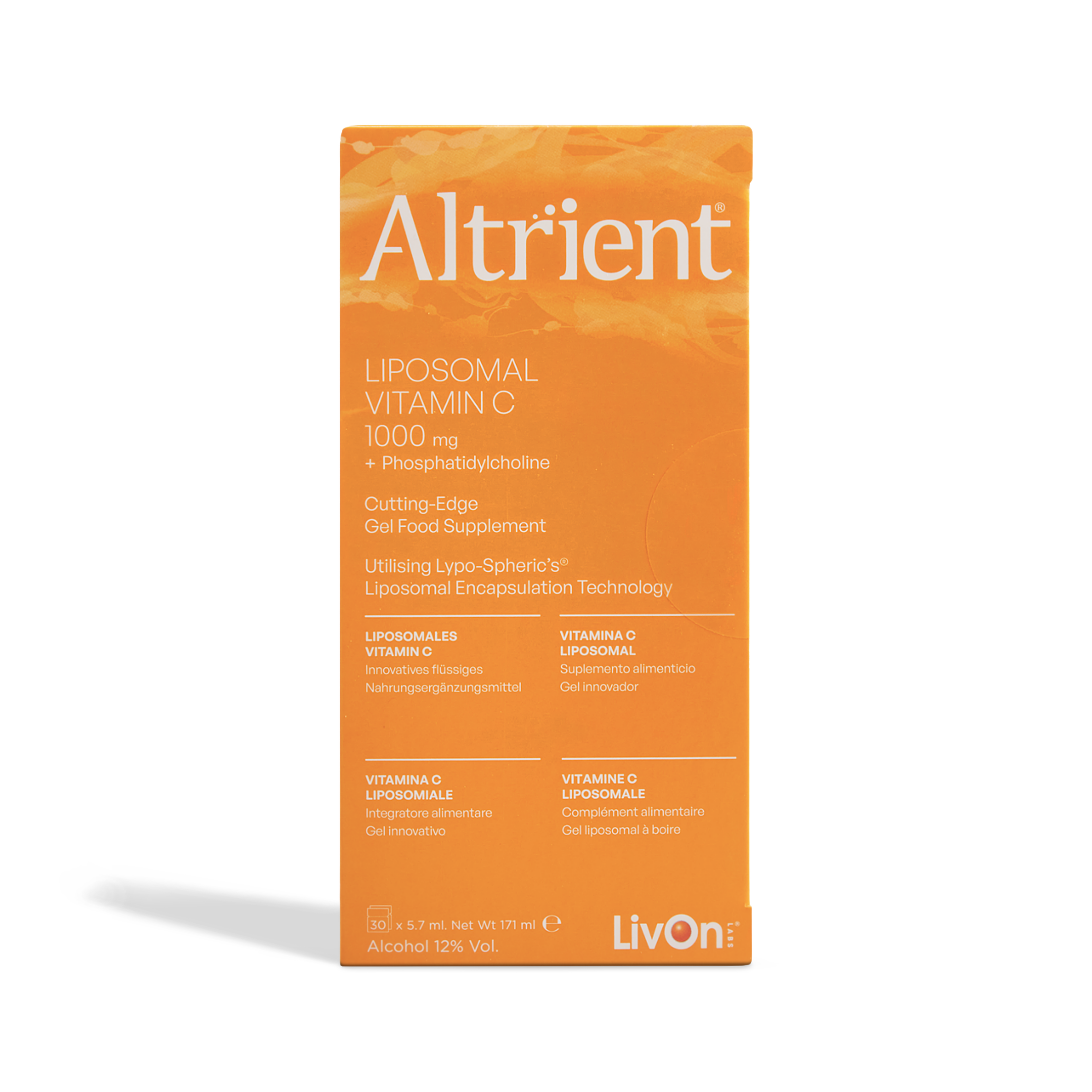
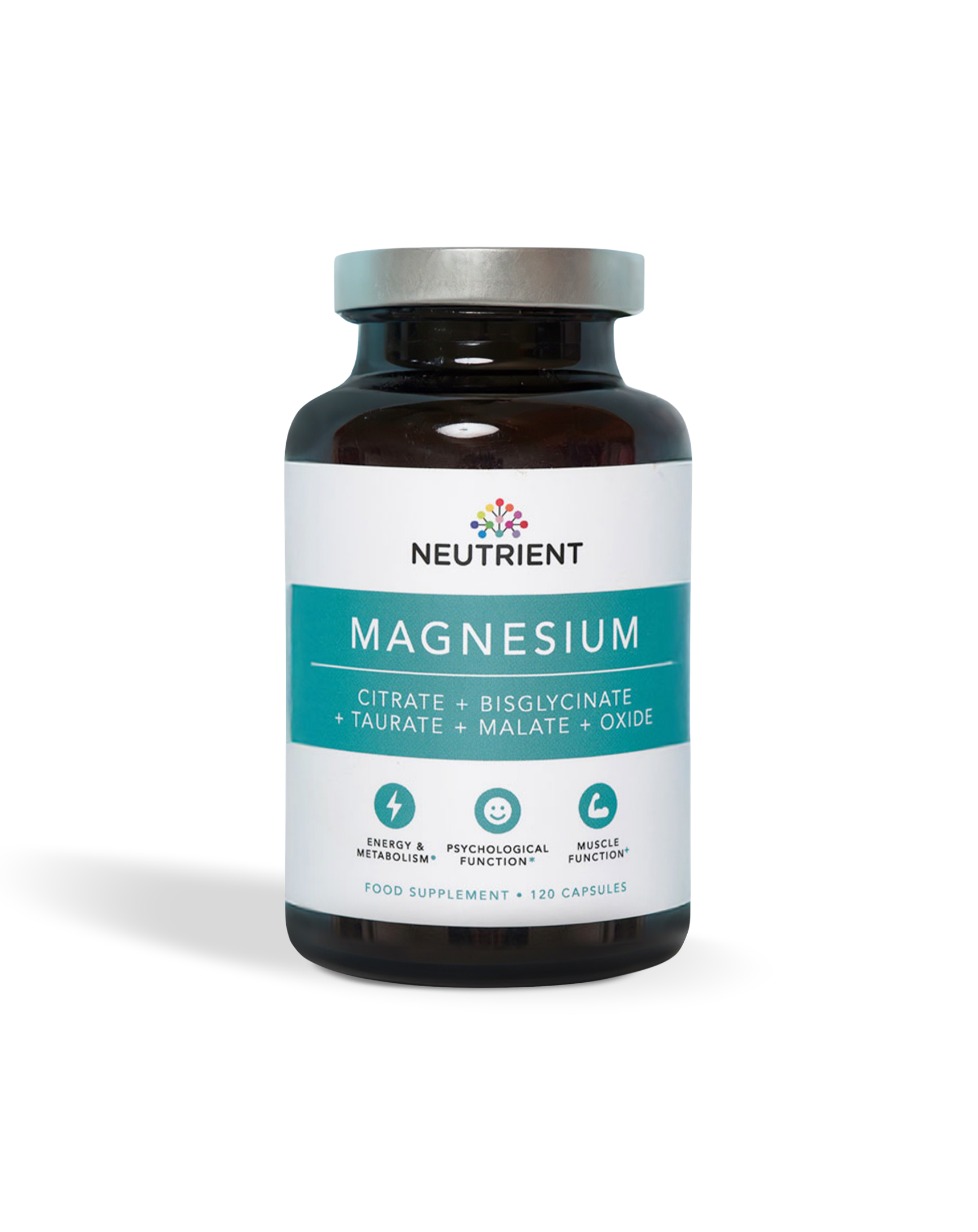
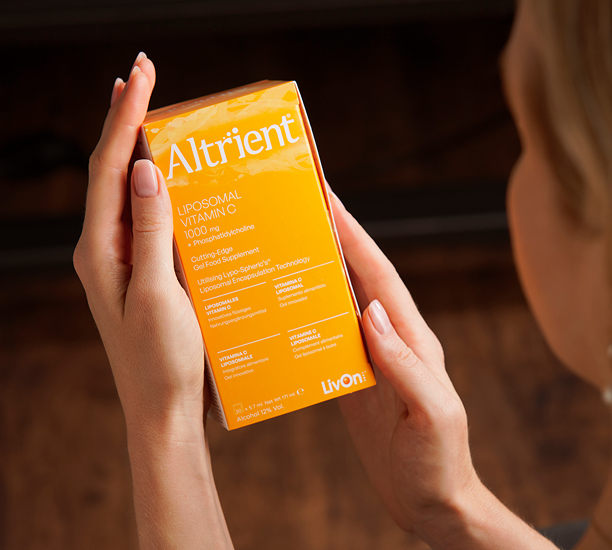
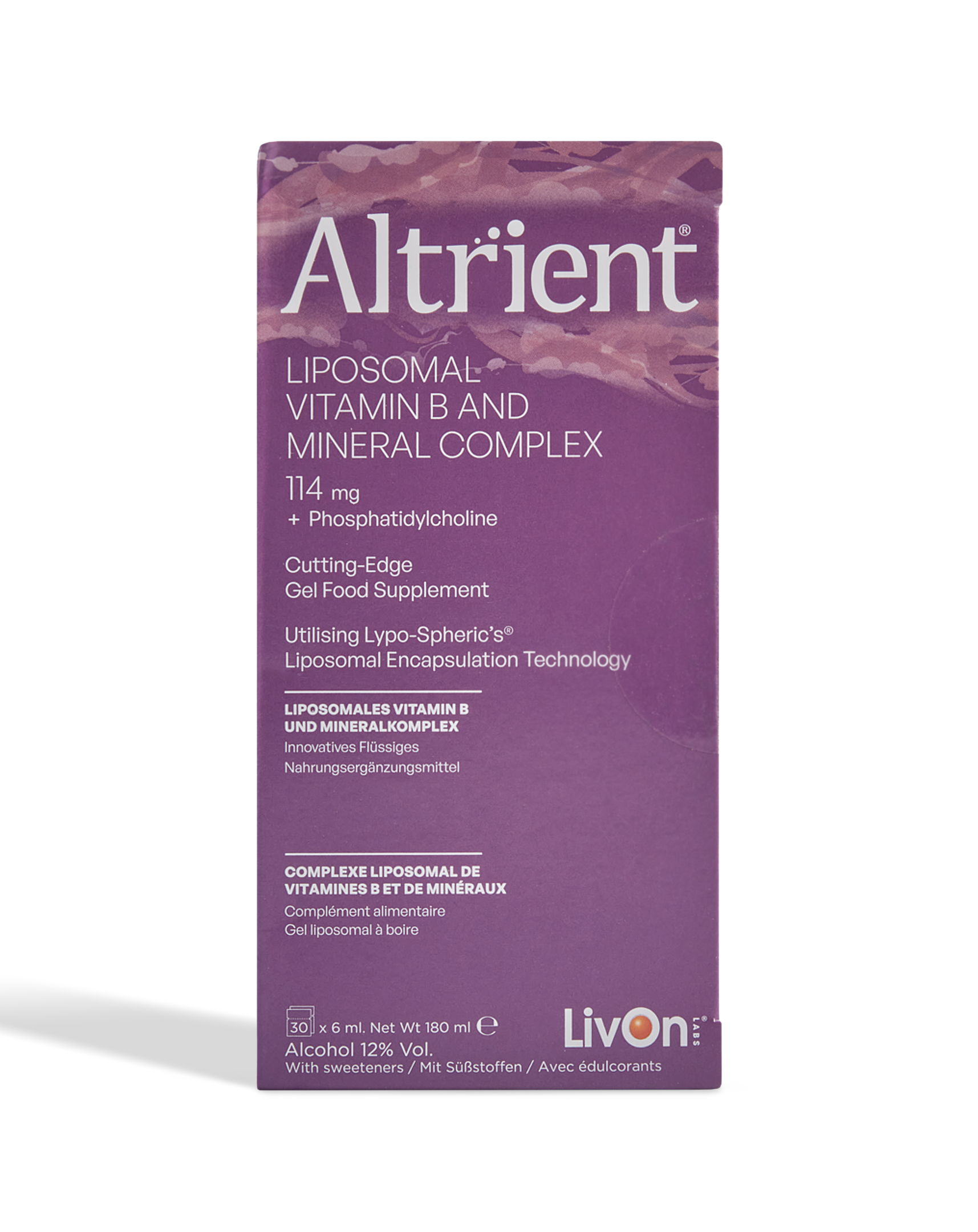
A good quality, well-absorbed B complex supplement provides riboflavin, niacin, pantothenic acid, vitamin B6, folate, and vitamin B12, all of which play a role in reducing tiredness and fatigue. Vitamin C and magnesium team well with these B vitamins because they also help to reduce fatigue and contribute to energy metabolism. These supportive supplements can be particularly helpful when food intake is inadequate or inconsistent.
Perimenopause fatigue doesn’t have to dominate your life. By supporting your metabolism with nutrient-rich foods, muscle-friendly protein, regular movement and some well-chosen supplements, your energy can return, often more steadily than before.
Written by: Jacqueline Newson BSc (Hons) Nutritional Therapy
References
1. Prior JC, Hitchcock CL. The endocrinology of perimenopause: need for a paradigm shift. Front Biosci (Schol Ed). 2011 Jan 1;3(2):474-86. doi: 10.2741/s166. PMID: 21196391.
2. NIH – Menopause and perimenopause overview: https://discoverwhr.nih.gov/research/menopause/ discoverwhr.nih.gov
Recommended product
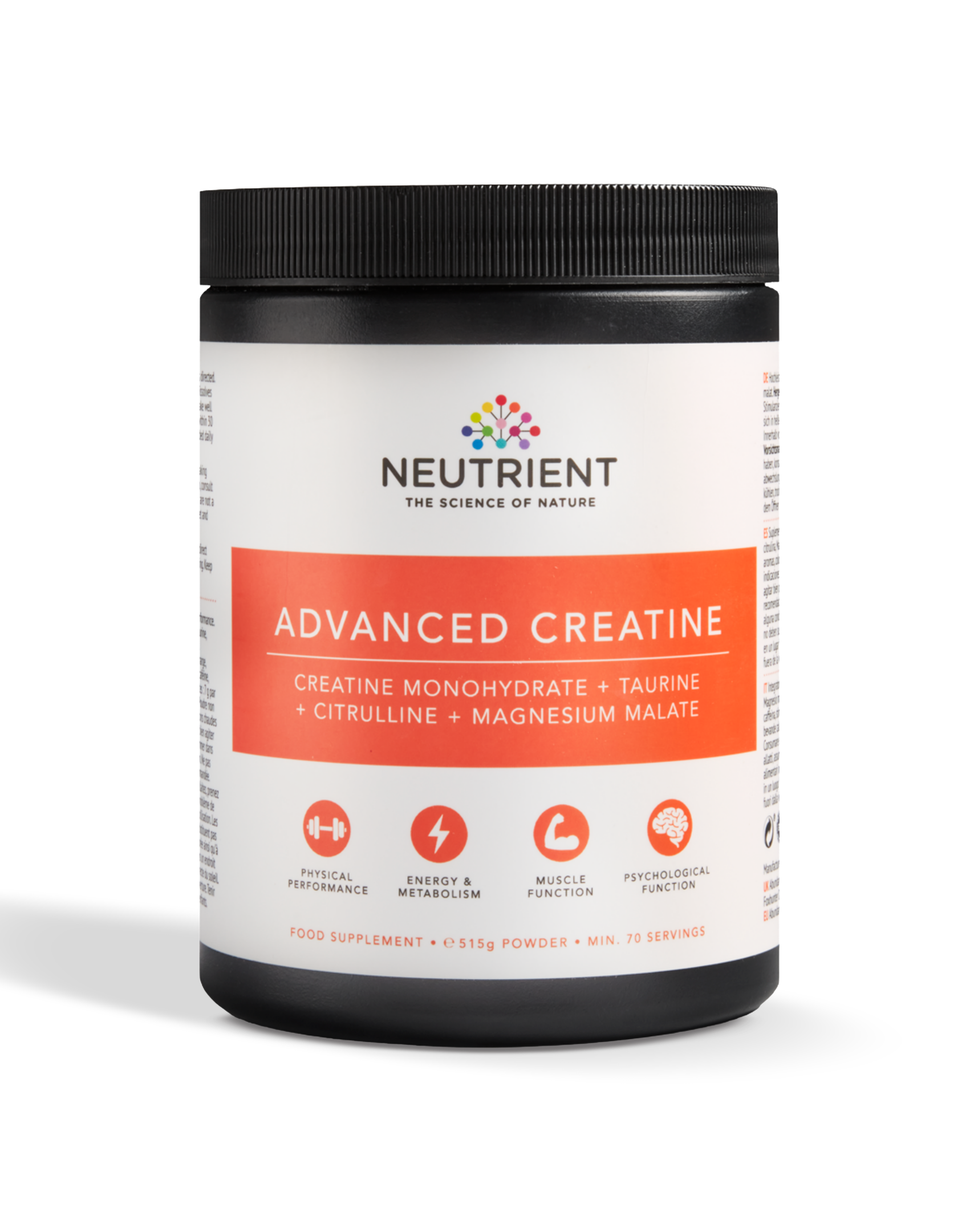
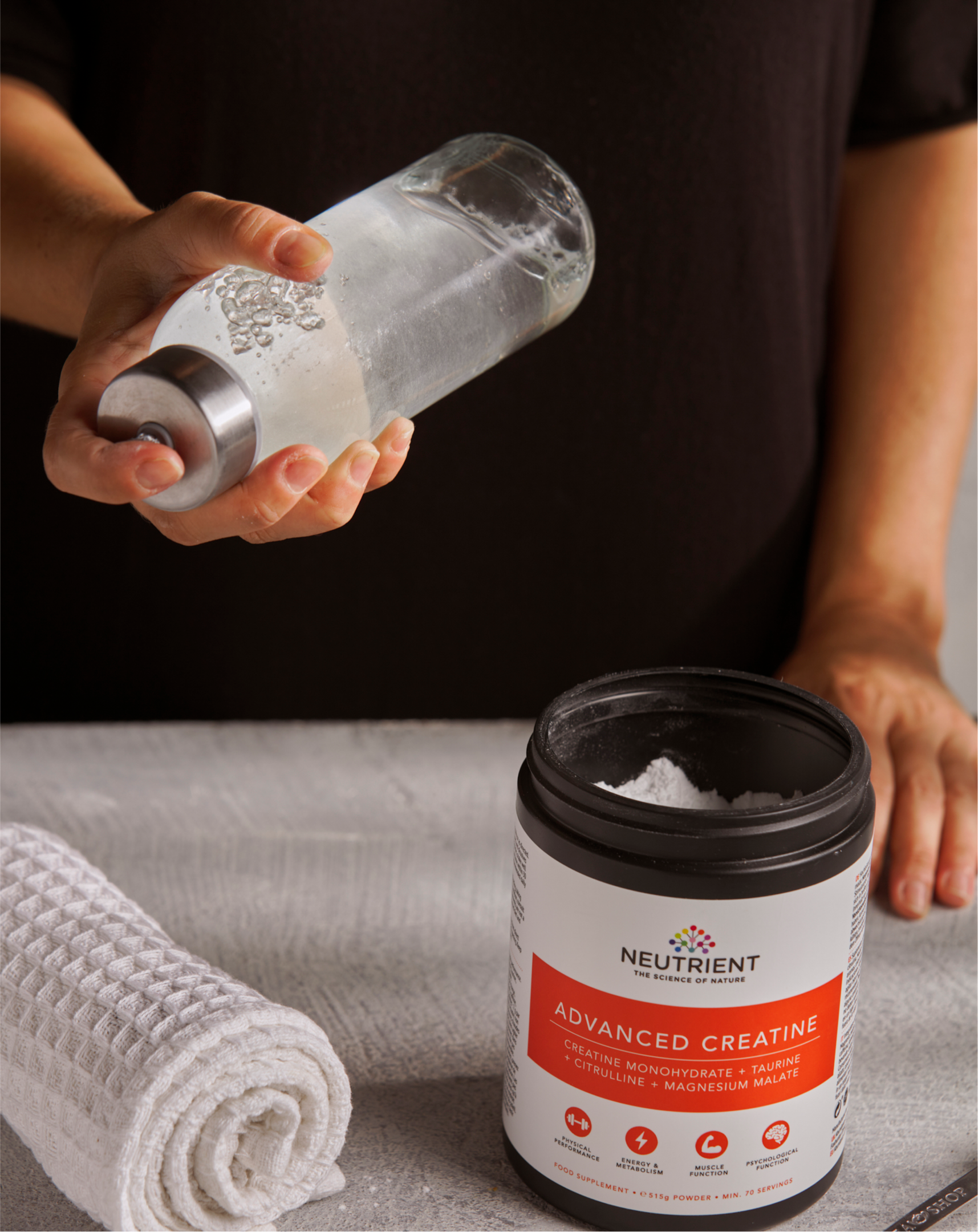
Neutrient Advanced Creatine is a high-performance, multifunctional formula delivering pure creatine monohydrate alongside synergistic actives taurine, citrulline malate and magnesium malate.