











Creatine and Kidney Health: What the Science Actually Says
Creatine is one of the most researched supplements in sports nutrition, and also one of the most misunderstood. For decades, a persistent myth has followed it: that creatine damages your kidneys. If you have ever hesitated to try creatine because of that concern, you are not alone. But the science tells a more nuanced and reassuring story.
Here we break down what creatine actually is, how it affects kidney function, and why it remains one of the safest and most effective supplements available for healthy adults.
 What Is Creatine?
Creatine is a naturally occurring compound made from three amino acids: arginine, glycine, and methionine. Your body produces it in the liver and kidneys, and you also consume it through dietary sources like red meat and fish. About 95% of your body's creatine is stored in your muscles, where it helps to increase physical performance during successive bursts of short-term high intensity activity.
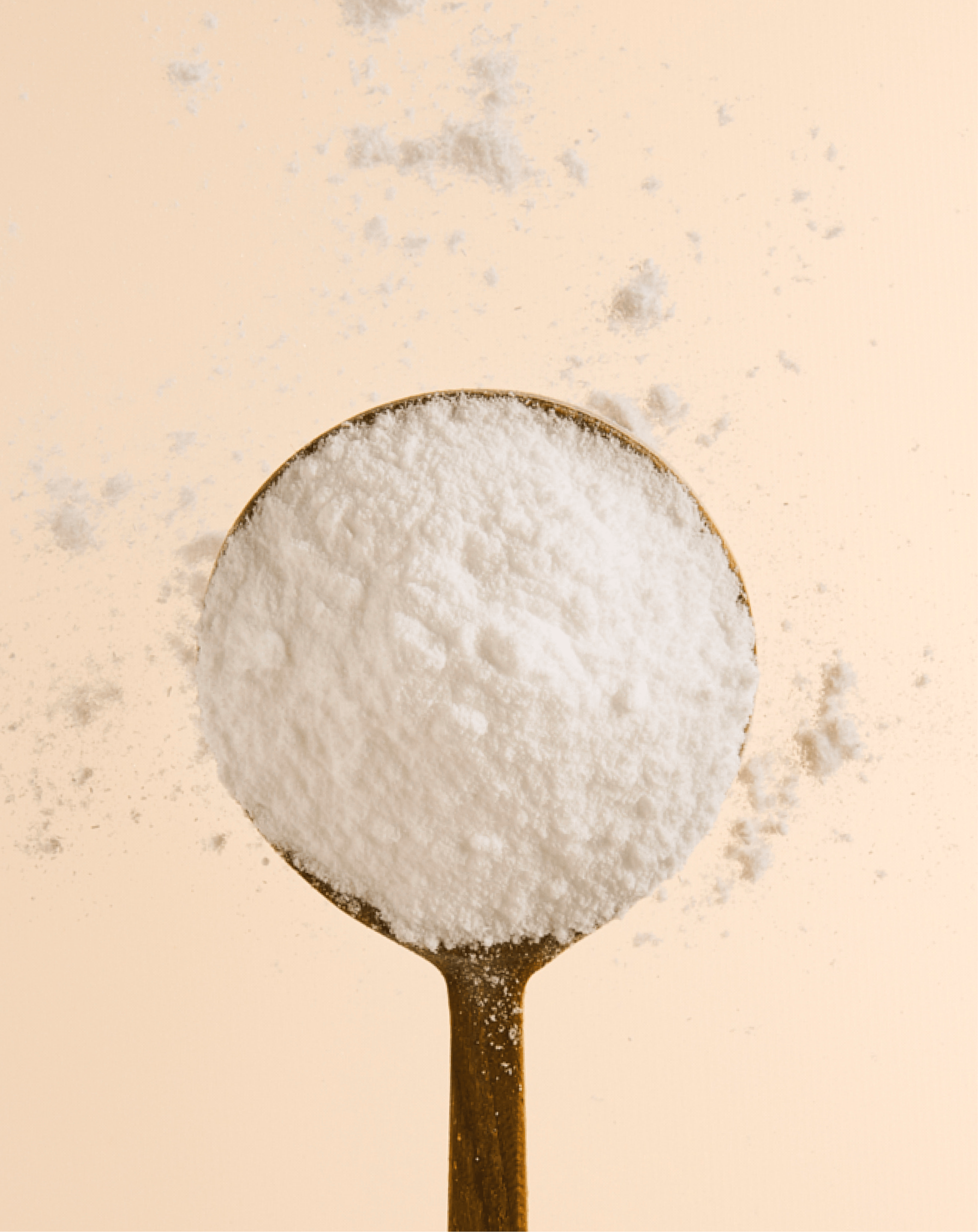
When you supplement with creatine, most commonly in the form of creatine monohydrate, you are essentially topping up what your body already makes and uses every day. Think of it less like a foreign chemical and more like giving your body more of something it already knows exactly what to do with.
 The Kidney Concern: Where Did It Come From?
The persistent concern linking creatine to kidney damage largely stems from a misunderstanding around a molecule called creatinine. When creatine is metabolised in your muscles, it breaks down into creatinine as a waste product, which is then filtered out by the kidneys and excreted in urine.
Creatinine levels in the blood are one of the standard markers doctors use to assess kidney function. When you supplement with creatine, your creatinine levels naturally rise. This is not because your kidneys are struggling, but because there is simply more creatine being turned over. This elevated reading can look concerning on a standard lab panel, which is likely where the kidney damage narrative took root.
Here's the important distinction: elevated creatinine from creatine supplementation is not the same as kidney damage. It is a normal physiological response to increased creatine availability, and it reverses when supplementation stops.
 What Does the Research Actually Show?
The short answer: decades of research consistently show that creatine monohydrate is safe for healthy adults when used at recommended doses.
A landmark review published in the Journal of the International Society of Sports Nutrition1 concluded that creatine supplementation does not negatively impact kidney function in people without pre-existing kidney disease. Multiple long-term studies, including trials lasting up to five years, have found no adverse effects on kidney biomarkers such as glomerular filtration rate (GFR), serum creatinine, blood urea nitrogen (BUN), or urinary protein levels in healthy participants.
A randomised, double-blind, placebo-controlled clinical trial2 further reinforced this, finding no evidence of kidney harm across a range of populations using creatine at standard doses of 3 to 5g per day.
Research on supplementation timing3 has also confirmed that both short and long-term creatine use at recommended doses produces no clinically significant adverse effects in healthy individuals.
The scientific consensus is clear: creatine does not cause kidney damage in healthy individuals.
 Who Should Exercise Caution?
While creatine is well-tolerated by the vast majority of healthy adults, there are specific groups who should consult a healthcare professional before supplementing:
-
People with pre-existing kidney disease. If your kidneys are already compromised, increasing their workload with additional creatine metabolism warrants medical guidance.
-
Those taking medications that affect the kidneys. Certain NSAIDs, antibiotics, or blood pressure medications can interact with kidney function and should be discussed with a doctor.
-
Individuals with a family history of polycystic kidney disease or other renal conditions. Extra caution and monitoring is advised.
-
Pregnant or breastfeeding women. Research in this population is limited, so professional advice is recommended.
If you are in any of these categories, a conversation with your GP or healthcare provider before starting creatine is always the right move. Not because creatine is inherently dangerous, but because personalised medical guidance is the smart approach.
 The Real Benefits of Creatine Supplementation
Beyond its safety profile, it is worth highlighting just how well-supported creatine's benefits are. Few supplements have the breadth of evidence that creatine monohydrate does.
Physical Performance
Creatine increases physical performance in successive bursts of short-term, high-intensity exercise. Think sprinting, weightlifting, and HIIT. Users typically see improvements in power output, strength, and the ability to sustain repeated bouts of intense effort.
Strength in Later Life
Creatine in combination with resistance training improves muscle strength in adults over the age of 55. This is particularly meaningful given that muscle mass and strength decline naturally with age and are strongly linked to long-term health outcomes.
 How to Supplement Smartly
To get the most from creatine while supporting overall health:
-
Dose. The evidence-backed maintenance dose is 3 to 5g of creatine monohydrate per day. Loading phases (20g per day for 5 to 7 days) are sometimes used to saturate muscles faster but are not necessary for long-term benefits.
-
Hydration. Because creatine draws water into muscle cells, staying well-hydrated is important. Aim for at least 2 to 3 litres of water daily when supplementing.
-
Form. Creatine monohydrate is the gold standard. It is the most researched, most cost-effective, and most bioavailable form available. Be cautious of expensive variants with less evidence behind them.
-
Consistency. Creatine works best when taken daily, not just on training days. Timing matters less than consistency.
-
Quality. Choose a creatine supplement that is third-party tested and uses pharmaceutical-grade monohydrate to ensure purity and potency.
 What the Evidence Tells Us
Creatine is not the kidney-damaging supplement it has been rumoured to be. For healthy adults, it is one of the safest, most effective, and most versatile supplements available, backed by over 30 years of research across thousands of studies.⁴
The temporary rise in creatinine levels it causes is a normal metabolic response, not a warning sign. True kidney harm from creatine supplementation has not been demonstrated in healthy individuals in the scientific literature.
If you have been sitting on the fence about creatine, the evidence is firmly in its favour. The key, as always, is choosing a high-quality product, following recommended dosing guidelines, staying well-hydrated, and checking in with your healthcare provider if you have any underlying health concerns.
Ready to experience the benefits for yourself? Explore our Advanced Creatine, a Neutrient product sourced from the highest-grade ingredients and formulated to support your performance and long-term health.
References
-
Kreider RB et al. International Society of Sports Nutrition position stand: safety and efficacy of creatine supplementation in exercise, sport, and medicine. J Int Soc Sports Nutr. 2017;14:18. https://pubmed.ncbi.nlm.nih.gov/28615996/
-
Gualano B et al. Creatine supplementation does not impair kidney function in type 2 diabetic patients: a randomised, double-blind, placebo-controlled, clinical trial. Eur J Appl Physiol. 2011;111(5):749-756. https://pubmed.ncbi.nlm.nih.gov/20976468/
-
Antonio J, Ciccone V. The effects of pre versus post workout supplementation of creatine monohydrate on body composition and strength. J Int Soc Sports Nutr. 2013;10:36. https://pubmed.ncbi.nlm.nih.gov/23919405/
-
Candow DG et al. Common questions and misconceptions about creatine supplementation: what does the scientific evidence really show? J Int Soc Sports Nutr. 2021;18(1):13. https://pmc.ncbi.nlm.nih.gov/articles/PMC7871530/
Recommended product
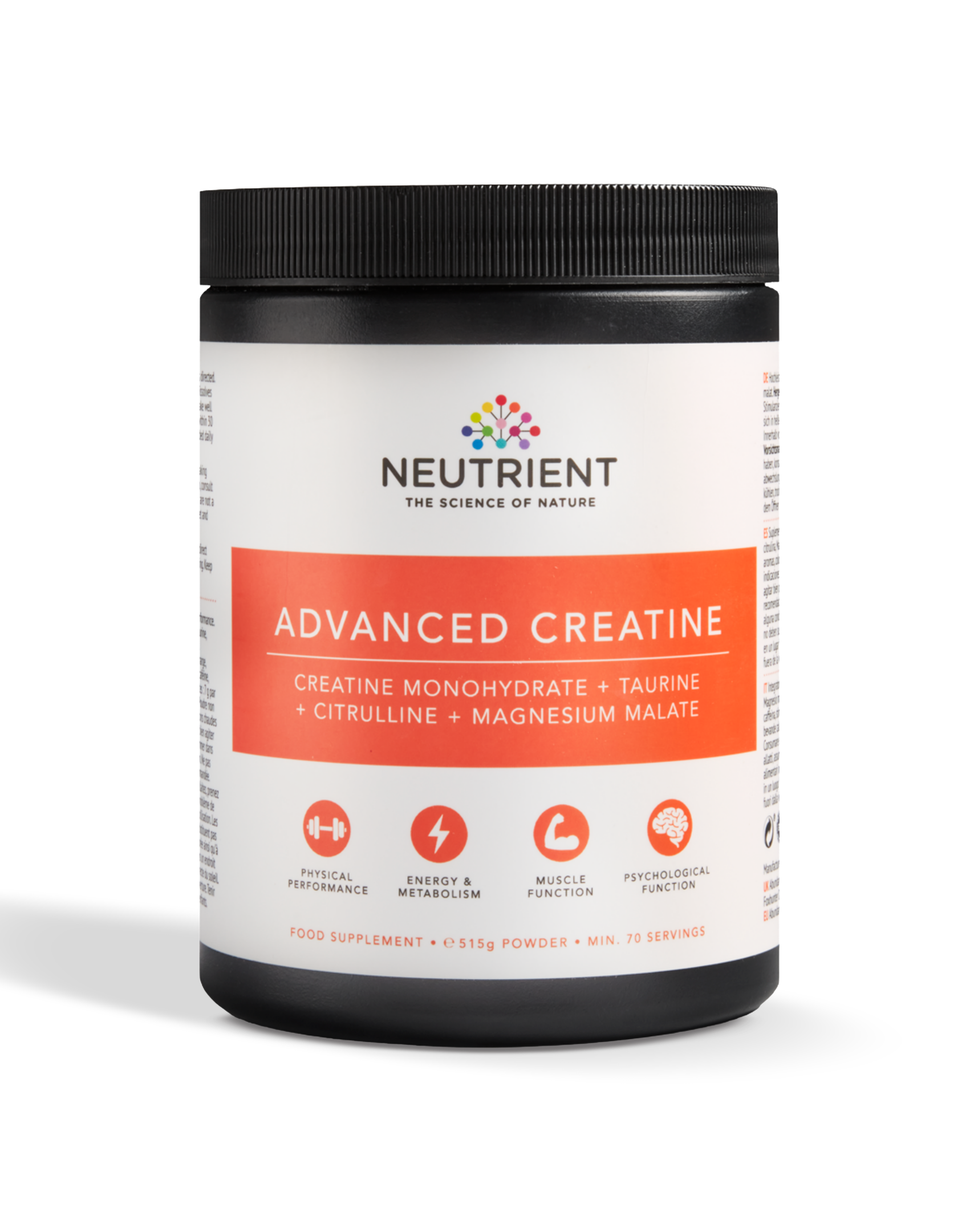
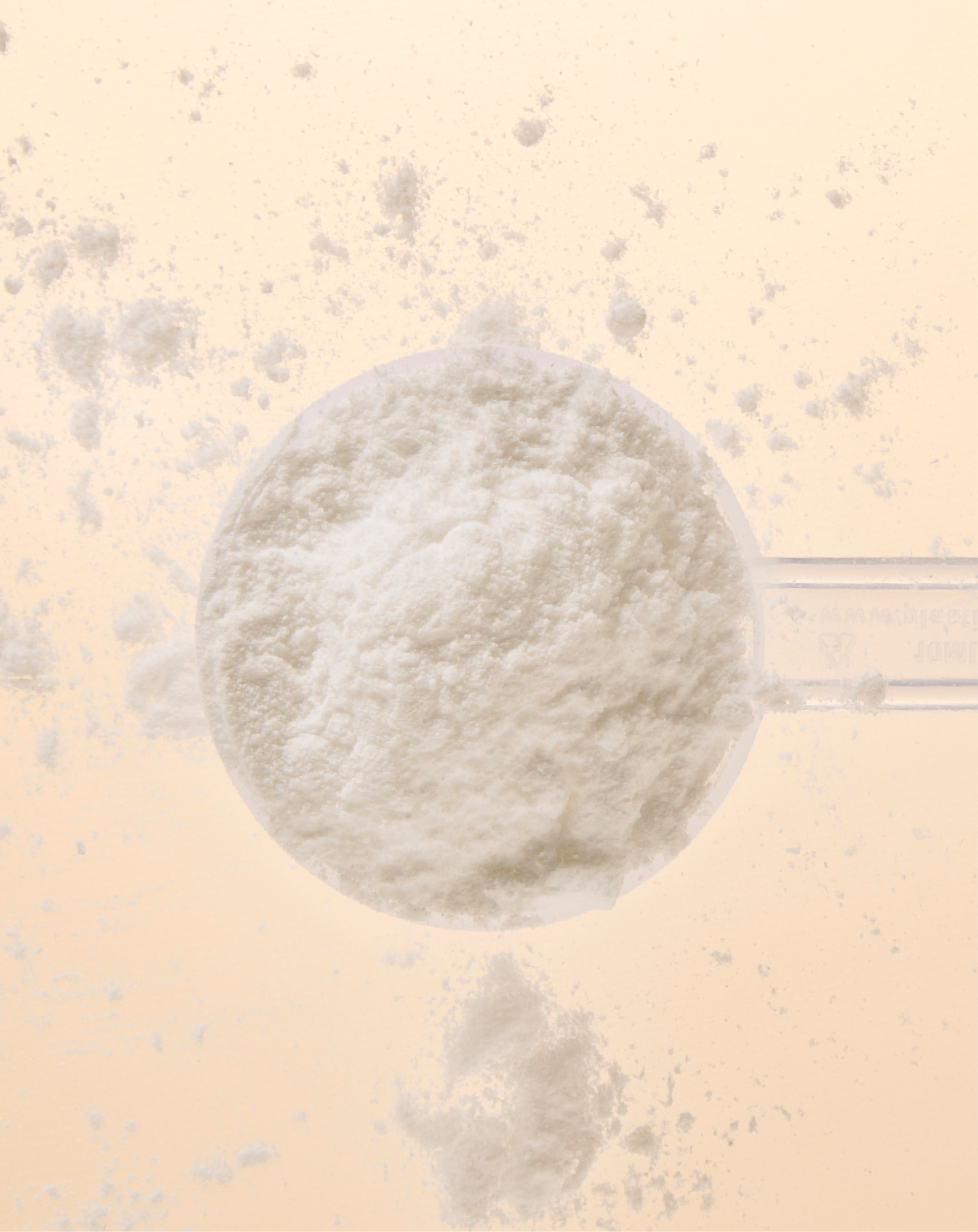

Neutrient Advanced Creatine is a high-performance, multifunctional formula delivering pure creatine monohydrate alongside synergistic actives taurine, citrulline malate and magnesium malate.