


Daily Drinking vs Binge Drinking: What Alcohol Is Doing to Your Body
One glass of wine with dinner feels reasonable. Four pints on a Friday night feels like a treat. Most of us assume one of these is clearly better for us than the other, but the answer isn’t as simple as choosing between a daily glass and a weekend blowout.
Total alcohol consumption matters, but so does the pattern in which you drink. Regular drinking and binge drinking carry different risks, and understanding the distinction can help you make more informed choices.
What happens if you drink alcohol every day?
A nightly glass feels modest, yet it is easy to lose track of the weekly total. A single regular glass of wine every day pushes you past the weekly low-risk guidelines without a second thought. Habits also build quickly. As Dr Richard Piper of Alcohol Change UK notes, the nightly drink often becomes two or three over time, which makes intake creep up and cutting back harder.1
Over time, regular alcohol consumption is associated with increased risks of several cancers, cardiovascular disease and liver disease. Even modest drinking carries risk. The US Surgeon General's 2025 advisory concluded that alcohol is linked to at least seven types of cancer, with risk for breast, mouth and throat cancers starting to rise at around one drink a day.2
The liver under pressure
The liver is central to the story because it metabolises most of the alcohol we consume.
When the body processes alcohol, ethanol is first converted into acetaldehyde and then into acetate. Acetaldehyde is a reactive compound that can potentially damage cells and tissues. Alcohol metabolism can also increase the production of unstable molecules that can cause cellular damage, placing greater demands on the body’s natural cellular defences.
Daily drinking also means no alcohol-free periods. When you drink, the liver prioritises breaking down alcohol over its usual jobs, such as filtering toxins from the blood and regulating insulin, which can raise the risk of inflammation and type 2 diabetes.
Over time, daily intake is linked to liver disease and cirrhosis. One study that followed more than 400,000 UK women for around 15 years found that, after accounting for total alcohol consumed, women who drank daily had a 61 per cent higher risk of cirrhosis than those who drank less often.3

What is binge drinking and how does it affect your health?
Saving the week's alcohol for Saturday does not necessarily make it healthier.
Binge drinking is generally defined as more than six units for women or eight for men in one sitting, roughly equivalent to two large glasses of wine or four pints. That single session produces a very different physiological experience than the same total spread across the week.
As well as increasing long-term health risks, binge drinking raises the immediate likelihood of accidents, injuries, impaired judgement and alcohol poisoning.4
Blackouts are part of this picture. Alcohol can disrupt the brain's ability to form new memories while you are intoxicated.
- Memory and long-term brain health: a single alcohol-induced blackout in the previous year was linked with more than double the risk of a later dementia diagnosis, regardless of how much someone drank overall.5
- Brain volume: MRI data from over 25,000 UK Biobank participants found frequent binge drinking associated with steeper reductions in grey matter than the same weekly total spread more evenly.6
- Heart health: a 2024 study of nearly 700,000 adults found binge drinking raised cardiovascular disease risk beyond what weekly volume alone predicted, with the increase particularly steep among women.7
When does drinking become heavy drinking?
High alcohol consumption, where you are regularly drinking 35 or more units of alcohol per week for women, or 50 or more for men, moves into territory associated with a long list of conditions including:8
- Liver disease and stroke
- Several cancers
- Dementia
- Type 2 diabetes
Here is the part that surprises most people: 35 units is roughly four bottles of wine, just over half a bottle a night. A drink or two through the week plus a weekend indulgence can tip someone into this category without recognising themselves as a heavy drinker.
Is moderate or social drinking safer?
No amount of alcohol is considered completely safe, but keeping intake low and consistent is the gentlest option. Experts recommend at least two to three alcohol-free days a week and avoiding binge drinking.
Social drinking adds another dimension, too. People who drink socially, rather than alone, report greater life satisfaction and less loneliness. Researchers at the University of Oxford found that those attached to a local pub experienced positive wellbeing and felt connected to and trusting of their community, though the social tie likely creates this feeling rather than the alcohol itself.9
For many people, the simplest way to reduce risk is also the least complicated: drink less often, drink less when you do drink, and build in regular alcohol-free days.
 You've given up alcohol, now what?
Deciding to step back from drinking is a meaningful move, and your body has some catching up to do.
Alcohol places real demands on the liver's detox pathways and has been associated with changes in the body’s glutathione system. What’s more, it steadily drains a handful of nutrients the rest of the body depends on as well as disturbing the gut flora.10,13
Research suggests that alcohol can alter the composition and function of the gut microbiota and affect intestinal barrier function. These changes are thought to be connected with inflammation and alcohol-related liver disease.13
Stopping or reducing alcohol removes an important source of physiological stress. From there, the basics become surprisingly powerful: eat well, get enough protein and fibre, stay hydrated, sleep properly, move regularly and give the body time.
What happens to your body when you stop drinking?
There is no single recovery timeline that applies to everyone. How you feel after stopping alcohol depends on how much and how often you were drinking, as well as your general health and nutritional status.
For someone who has been drinking regularly, the first step is often simply creating alcohol-free days and allowing healthier routines to take their place.
Over time, reducing alcohol means less exposure to its metabolic by-products and removes one of the factors that can disrupt sleep, nutrition and gut health.
The longer-term benefits of reducing alcohol can extend beyond the direct effects of drinking less, with improvements in sleep, mood, energy and cognitive function, alongside healthier dietary and lifestyle habits that may develop as part of the change.
Start with food
Diet carries most of the recovery work, and it doesn't need to be complicated:
- Protein at each meal, from eggs, fish, poultry or pulses, to supply the amino acids the liver uses to rebuild its own antioxidants, as well as glutathione.
- Cruciferous vegetables such as broccoli, cauliflower, Brussels sprouts and kale, which contain compounds known to support the liver's natural detox pathways.
- Oily fish, nuts and seeds for omega-3s, plus fermented foods such as live yoghurt, kefir or sauerkraut to help rebalance the gut bacteria alcohol disrupts.
- Plenty of water. Alcohol can contribute to dehydration, so staying well hydrated is especially important when you’re cutting back or giving it up.
- Regular, balanced meals can also help provide steadier energy and blood glucose levels, particularly if a nightly drink had become part of the evening routine.
 Nutrients to consider after giving up alcohol
Food covers most of what the body needs. Where extra support feels useful on top of that, particularly early on or after a longer stretch of heavier drinking, some key nutrients are worth considering:
|
Product |
What it is |
Why it matters now |
|---|---|---|
|
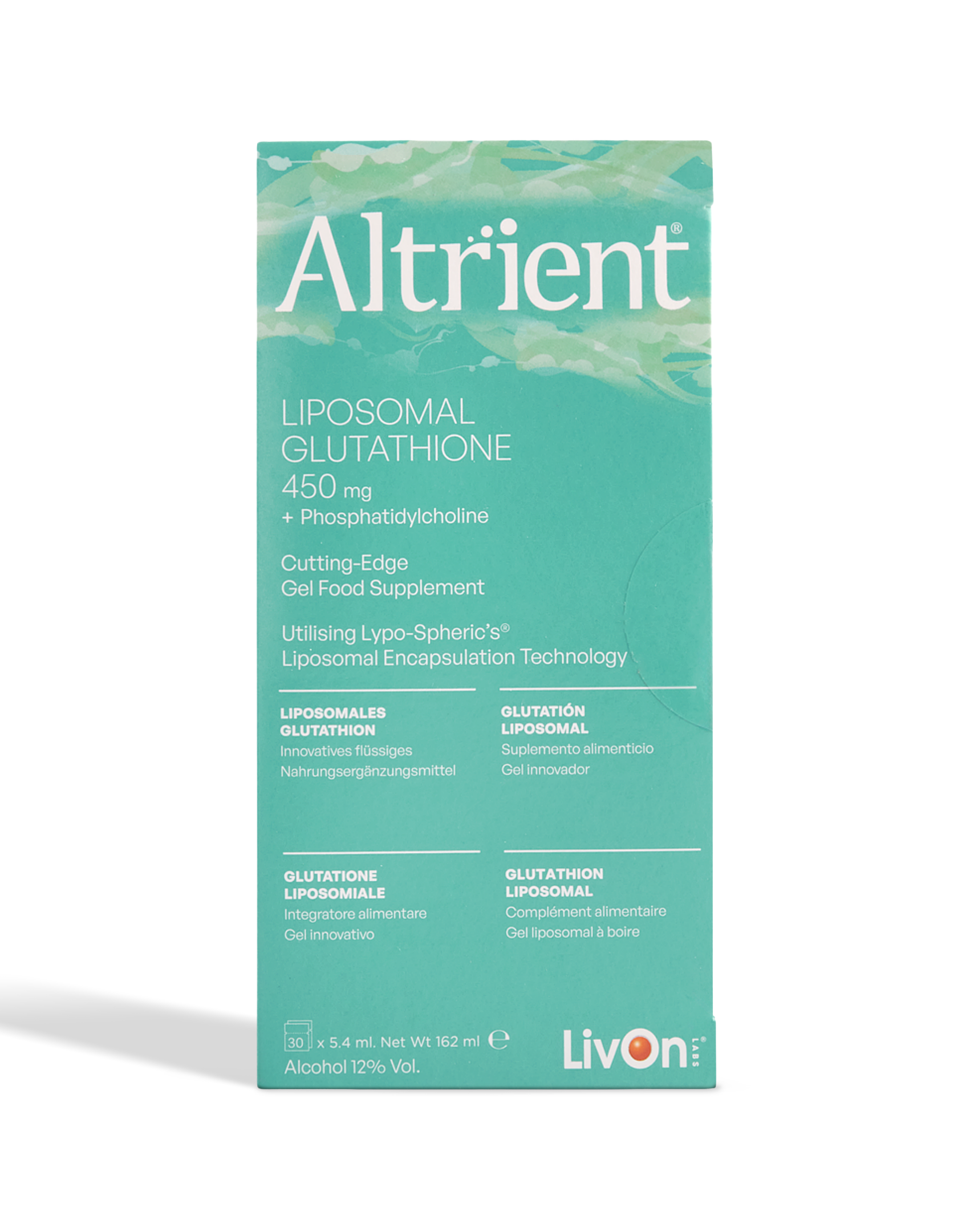
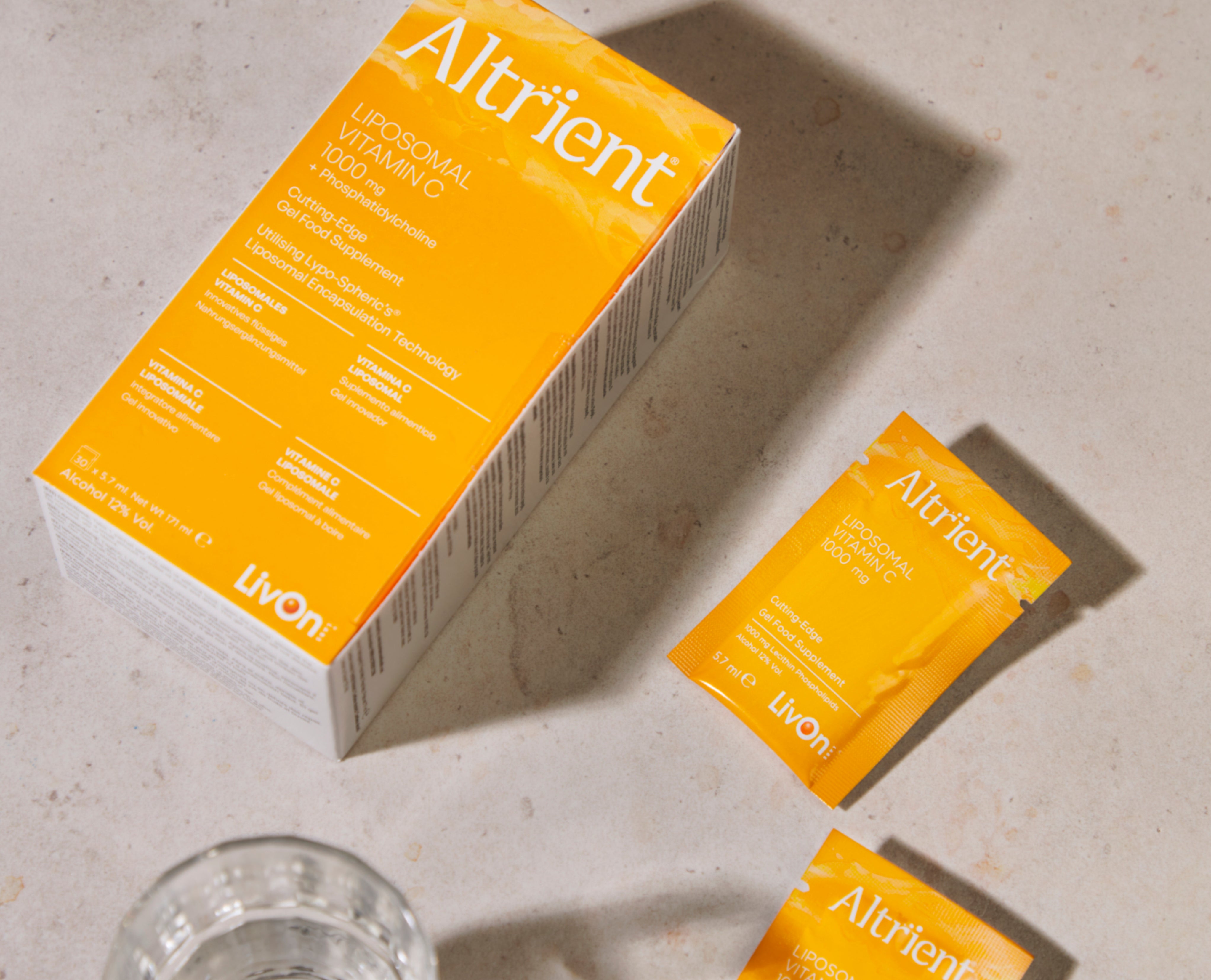
Altrient Glutathione |
Liposomal reduced glutathione, a compound naturally present in the liver. |
Supporting glutathione levels may be particularly relevant after alcohol exposure. Levels fall with sustained drinking.10 Start here first. |
|
Altrient ALA |
Liposomal R-alpha lipoic acid, the R-isomer the body produces naturally in small amounts. |
Sits alongside glutathione in the body's defence network; supplementing has been shown to help maintain tissue glutathione levels.11 |
|
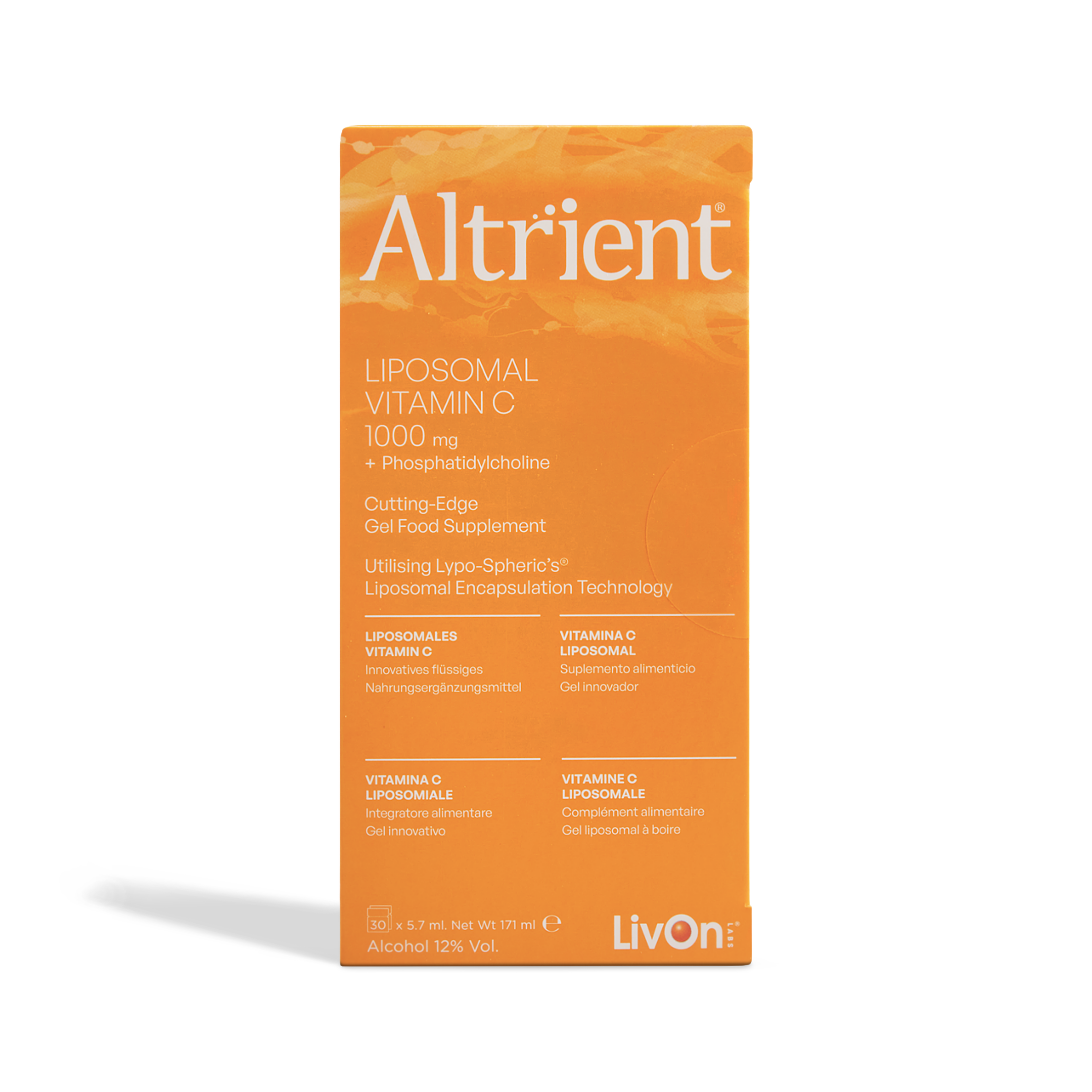
Altrient C |
Liposomal vitamin C for high absorption. |
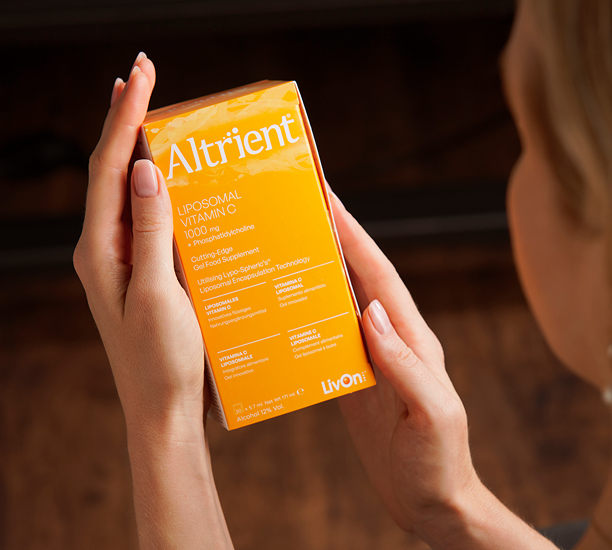
Contributes to normal immune function and helps protect cells from oxidative stress, useful after weeks of the body managing more of that stress than usual. |
|
Neutrient Multi+ |
A broad-spectrum multinutrient providing active B vitamins alongside chelated minerals, PQQ and myo-inositol. |
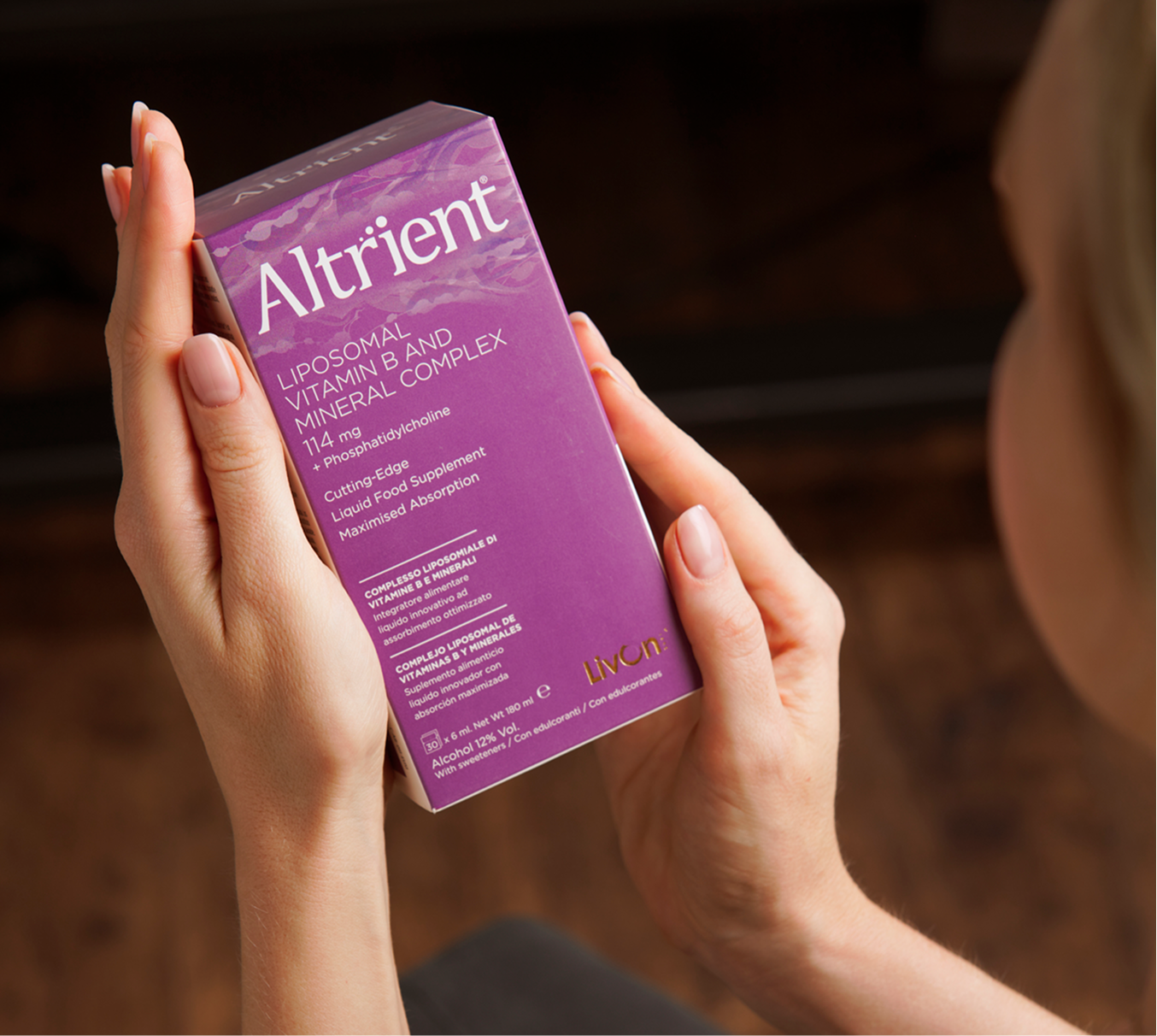
Provides a range of B vitamins involved in energy metabolism and nervous system function. Alcohol consumption has been associated with changes in B-vitamin status, including folate and vitamin B12.12 |
|
Neutrient NeuBiotic |
Synbiotic combining 20 probiotic strains with prebiotic fibre. |
Alcohol can disturb the balance of friendly bacteria. Supports the gut lining and microbial balance that alcohol disrupts, and which in turn affects inflammatory signalling reaching the liver.13 |
|
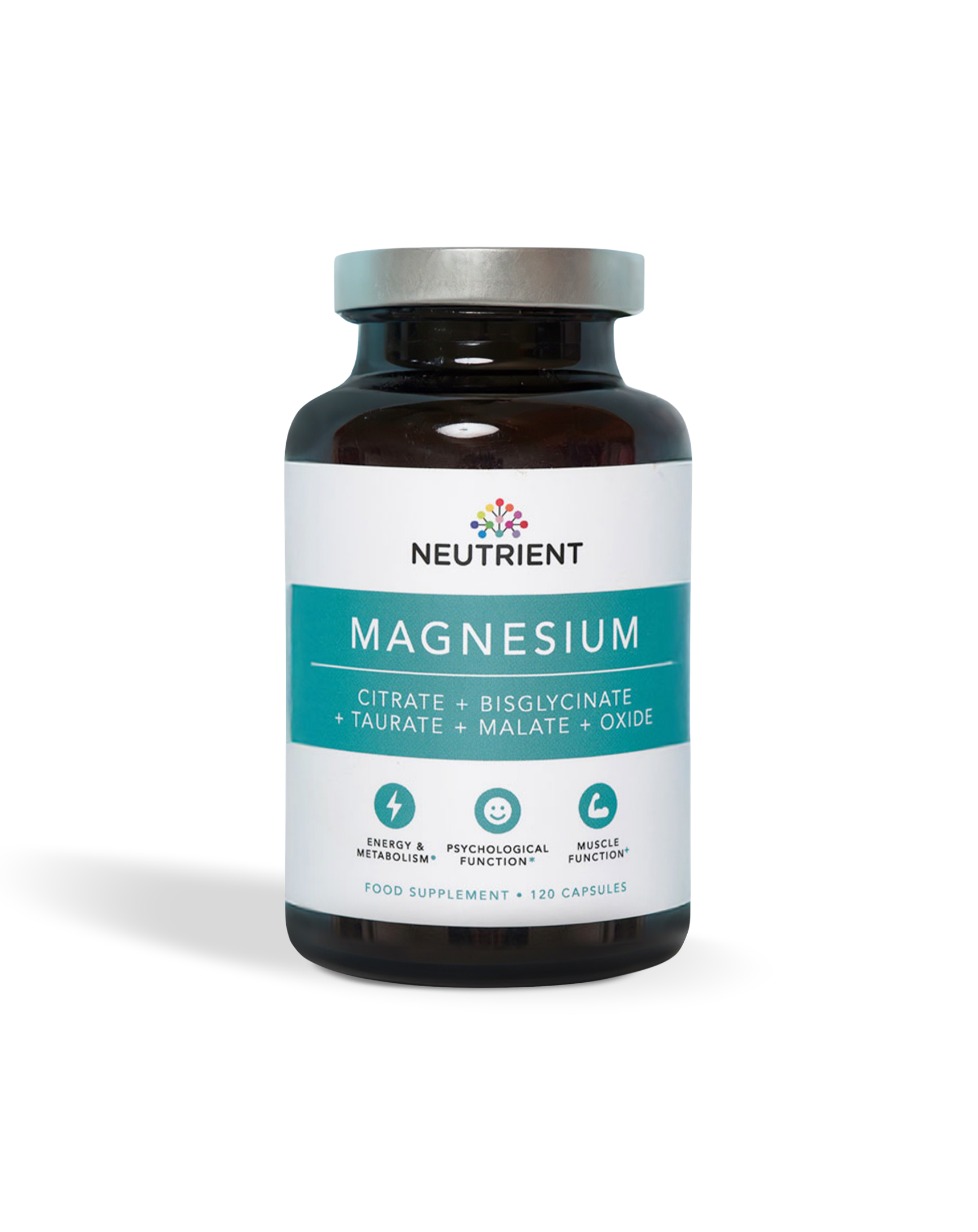
Neutrient Magnesium |
A five-form magnesium blend in one daily dose. |
Replaces a mineral alcohol depletes fast through increased urinary loss, linked with heavier drinking patterns and early-stage liver strain.14 Contributes to normal muscle, energy and nervous system function. |
What recovery really looks like
None of this requires overhauling your kitchen cupboard or working through a checklist every morning. Whether you recognise yourself in the nightly glass, the weekend session or somewhere between the two, the body tends to respond to consistency rather than perfection.
Cut back where you can. Pay attention to how you feel without alcohol. Eat well, sleep properly, move regularly and give your body time.
Because giving up alcohol isn’t about finding another quick fix. It’s about removing something that was placing a regular demand on the body, then allowing your nutrition, routines and recovery to do their job.
Important: if you drink heavily or may be dependent on alcohol, stopping suddenly can cause serious withdrawal symptoms. Medical advice should be sought before making a significant change to alcohol intake.
Frequently Asked Questions
What are the benefits of giving up alcohol?
Giving up alcohol can bring benefits to both physical and mental wellbeing. Depending on how much you were drinking, you may notice better sleep, more stable energy, improved mood and digestion, and easier weight management. Over time, reducing or avoiding alcohol can also benefit liver health and lower the risk of alcohol-related health problems, including certain cancers. The longer you stay alcohol-free, the more opportunity your body has to recover and adapt.
Is one glass of wine every day harmful?
Even relatively modest alcohol consumption is associated with some increased health risks. The risk depends on factors including the amount consumed, frequency and individual circumstances. Reducing the amount and frequency of drinking can reduce alcohol exposure.
How does giving up alcohol affect sleep?
Alcohol may make you feel sleepy initially, but it can disrupt normal sleep patterns and reduce sleep quality. After stopping or reducing alcohol, sleep may be unsettled at first, but many people find that their sleep becomes more restorative as the body adjusts.
Can giving up alcohol improve your skin?
It may. Alcohol can contribute to dehydration and can interfere with sleep, both of which can affect how your skin looks and feels. Regular drinking may also influence inflammation and the skin’s natural barrier. Reducing or avoiding alcohol, alongside good hydration, a balanced diet and better sleep, may help support healthier-looking skin over time.
Written by: Jacqueline Newson BSc (Hons) Nutritional Therapy
References
- Piper R, Alcohol Change UK. A wake-up call: our new research into alcohol harm. https://alcoholchange.org.uk/blog/a-wake-up-call-our-new-research-into-alcohol-harm
- US Department of Health and Human Services, Office of the Surgeon General. Alcohol and Cancer Risk. Advisory, January 2025. https://www.hhs.gov/surgeongeneral/reports-and-publications/alcohol-cancer/index.htm
- Simpson RF, Hermon C, Liu B, Green J, Reeves GK, Beral V, Floud S, for the Million Women Study Collaborators. Alcohol drinking patterns and liver cirrhosis risk: analysis of the prospective UK Million Women Study. The Lancet Public Health. 2019;4(1):e41-e48.
- Piper R, Alcohol Change UK. Understanding alcohol harm. https://alcoholchange.org.uk/blog/understanding-alcohol-harm
- Kivimäki M, Singh-Manoux A, Batty GD, et al. Association of Alcohol-Induced Loss of Consciousness and Overall Alcohol Consumption With Risk for Dementia. JAMA Network Open. 2020;3(9):e2016084.
- Topiwala A, Ebmeier KP, Maullin-Sapey T, Nichols TE. Alcohol consumption and MRI markers of brain structure and function: cohort study of 25,378 UK Biobank participants. NeuroImage: Clinical. 2022;35:103066.
- Rana JS, et al. Habitual alcohol intake, with and without binge drinking, and risk of cardiovascular disease among 697,985 men and women. Journal of the American College of Cardiology. 2024;83(13 Suppl):2109.
- World Health Organization. Alcohol. Fact sheet, June 2024. https://www.who.int/news-room/fact-sheets/detail/alcohol
- Dunbar RIM, Launay J, Wlodarski R, Robertson C, Pearce E, Carney J, MacCarron P. Functional Benefits of (Modest) Alcohol Consumption. Adaptive Human Behavior and Physiology. 2017;3(2):118-133.
- Galicia-Moreno M, Rodríguez-Rivera A, Reyes-Gordillo K, Segovia J, Shibayama M, Tsutsumi V, Vergara P, Muriel P. Behavior of oxidative stress markers in alcoholic liver cirrhosis patients. Oxidative Medicine and Cellular Longevity. 2016;2016:9370565.
- Khanna S, Atalay M, Laaksonen DE, Gul M, Roy S, Sen CK. Alpha-lipoic acid supplementation: tissue glutathione homeostasis at rest and after exercise. Journal of Applied Physiology. 1999;86(4):1191-1196.
- Gibson A, Woodside JV, Young IS, Sharpe PC, Mercer C, Patterson CC, McKinley MC, Kluijtmans LAJ, Whitehead AS, Evans A. Alcohol increases homocysteine and reduces B vitamin concentration in healthy male volunteers: a randomized, crossover intervention study. QJM: An International Journal of Medicine. 2008;101(11):881-887.
- Zhu L, Wang Y, Pan CQ, Xing H. Gut microbiota in alcohol-related liver disease: pathophysiology and gut-brain cross talk. Frontiers in Pharmacology. 2023;14:1258062.
- Vatsalya V, Gala KS, Mishra M, Schwandt ML, Umhau J, Cave MC, Parajuli D, Ramchandani VA, McClain CJ. Lower serum magnesium concentrations are associated with specific heavy drinking markers, pro-inflammatory response and early-stage alcohol-associated liver injury. Alcohol and Alcoholism. 2020;55(2):164-170.
Read more

Creatine is one of the most researched supplements in sports nutrition. Once mainly used by strength athletes and bodybuilders, it is now recommended by sports nutritionists, functional medicine pr...
Consider the woman in the garden, seventy-five years old, rising from a low deckchair without so much as a sigh, a groan, or the strategic deployment of both armrests. Her grandchildren find this u...