



DIY Glutathione: How to Support Your Own Glutathione Production
Glutathione used to be reserved for biochemistry textbooks and nutrition experts, but has now moved into mainstream wellness and it's easy to see why. Search interest has climbed alongside claims of a brighter, more even skin tone and a growing body of research linking this small tripeptide to some of the body's most fundamental defence systems.1
Made from three amino acids—cysteine, glutamate, and glycine—glutathione is produced in every cell. It plays an important role in managing oxidative stress, the everyday wear and tear that comes from sun exposure, pollution, and normal metabolism. Recent interest in its skin-lightening effects has brought fresh attention to how glutathione works, and, more usefully, how it might be supported through the diet rather than introduced by more invasive means.
 Why Glutathione Is Making Headlines
Two major factors are fuelling the current interest in glutathione: its potential influence on melanin production and its role in helping protect skin against daily oxidative stress.
Research suggests that glutathione may help influence melanin production away from darker pigment (eumelanin) toward lighter tones, helping even out discolouration over time.2 A 2025 systematic review of oral, topical, and combination treatments noted measurable reductions in skin pigment across multiple trials, calling the evidence promising, if still evolving.3
In another 12-week study, participants taking a combination of L-cystine and reduced glutathione saw visible improvements in overall tone and dark spots.4 Earlier studies on standalone glutathione showed similar, subtle lightening effects, though researchers stressed the need for more long-term safety data.5 Taken together, these studies point to a potential role in supporting skin brightness, rather than a dramatic transformation.
Beyond tone, scientists are interested in how glutathione may help defend skin cells from the damage caused by UV rays and pollution. Because this type of stress is a recognised factor in visible skin ageing, supporting your body's natural supply of glutathione has quickly become a focal point in proactive skincare.6
 Glutathione Injections & IV Drips: Are They Safe?
As interest in glutathione has grown, so has the number of clinics offering it as an intravenous drip, often marketed for skin brightening or as a general detox. However, health authorities urge caution with injectable treatments.
In the UK, Trading Standards investigators identified hundreds of beauty salons offering unregulated glutathione IV drips, some administered without medical supervision, with consumers reporting reactions including anaphylaxis and kidney strain.7
Separately, the Philippines' FDA issued formal warnings that injectable glutathione for skin lightening carries risks to the liver, kidneys, and nervous system, noting it has never been approved for cosmetic use.8
A 2025 narrative review similarly concluded that while oral and topical forms are generally well tolerated, intravenous administration carries heightened safety concerns due to a lack of standardised dosing protocols.9
Given these risks, supporting your body's own glutathione production remains a much safer, more sensible approach for long-term health.
How Your Body Makes Glutathione (And The Best Foods To Support It)
Unlike essential vitamins, your body makes its own glutathione using three amino acids: cysteine, glutamate, and glycine. Cysteine is usually the limiting factor, meaning your overall glutathione levels often depend on getting enough of it through protein.10
That doesn’t mean you need a high-protein diet to meet this need. Healthy adults require roughly 0.75 g of protein per kilogram of body weight daily (around 45 g for women, 55 g for men). That is easily covered by everyday meals:
- Palm-sized chicken breast or salmon: approximately 25–30 g protein
- Two eggs: approximately 12 g protein
- Serving of Greek yoghurt: approximately 10 g protein
In addition to general protein, specific foods can be factored into the process:
- Direct sources: asparagus, avocado, and mushrooms contain actual glutathione (though much is broken down during digestion).
- Precursor foods: broccoli, garlic, and onions supply sulphur compounds; whey, eggs, and fish supply cysteine; bone broth provides glycine.10
The difficulty is that dietary glutathione is largely broken down during digestion before it reaches the bloodstream intact, which is part of why nutritional therapists often focus on precursor nutrients and well-absorbed supplement forms.
Formulation makes a difference too, since standard tablets and capsules can lose much of their potency to stomach acid and liver metabolism before they ever reach circulation.
The Role of Alpha Lipoic Acid
Alpha lipoic acid (ALA) is a naturally occurring compound that plays a supporting role in your body's glutathione production. Research suggests ALA may help cells take up cysteine more efficiently and appears to support an enzyme called gamma-glutamylcysteine ligase, a key component in glutathione production.11
It also helps recycle glutathione after it has been used, potentially extending how long it can stay active inside your cells.12
You can find small amounts of ALA in foods like red meat and organ meats, though these dietary levels are far lower than amounts typically studied in research.
Standard forms of supplemental ALA can also break down quickly during digestion. To help overcome this absorption barrier, researchers often look at liposomal delivery, where the nutrient is encapsulated in a protective lipid layer similar to a cell membrane.12
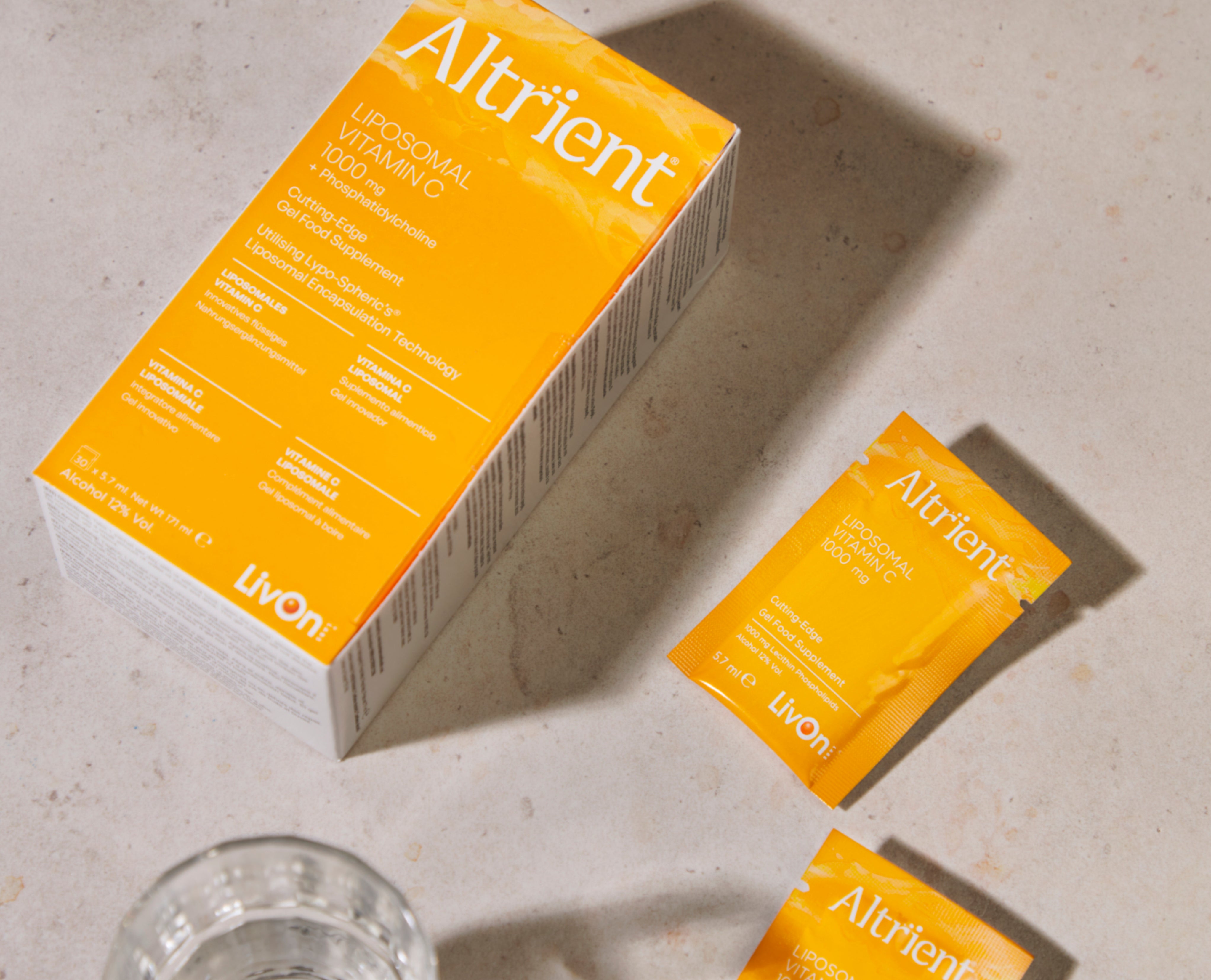
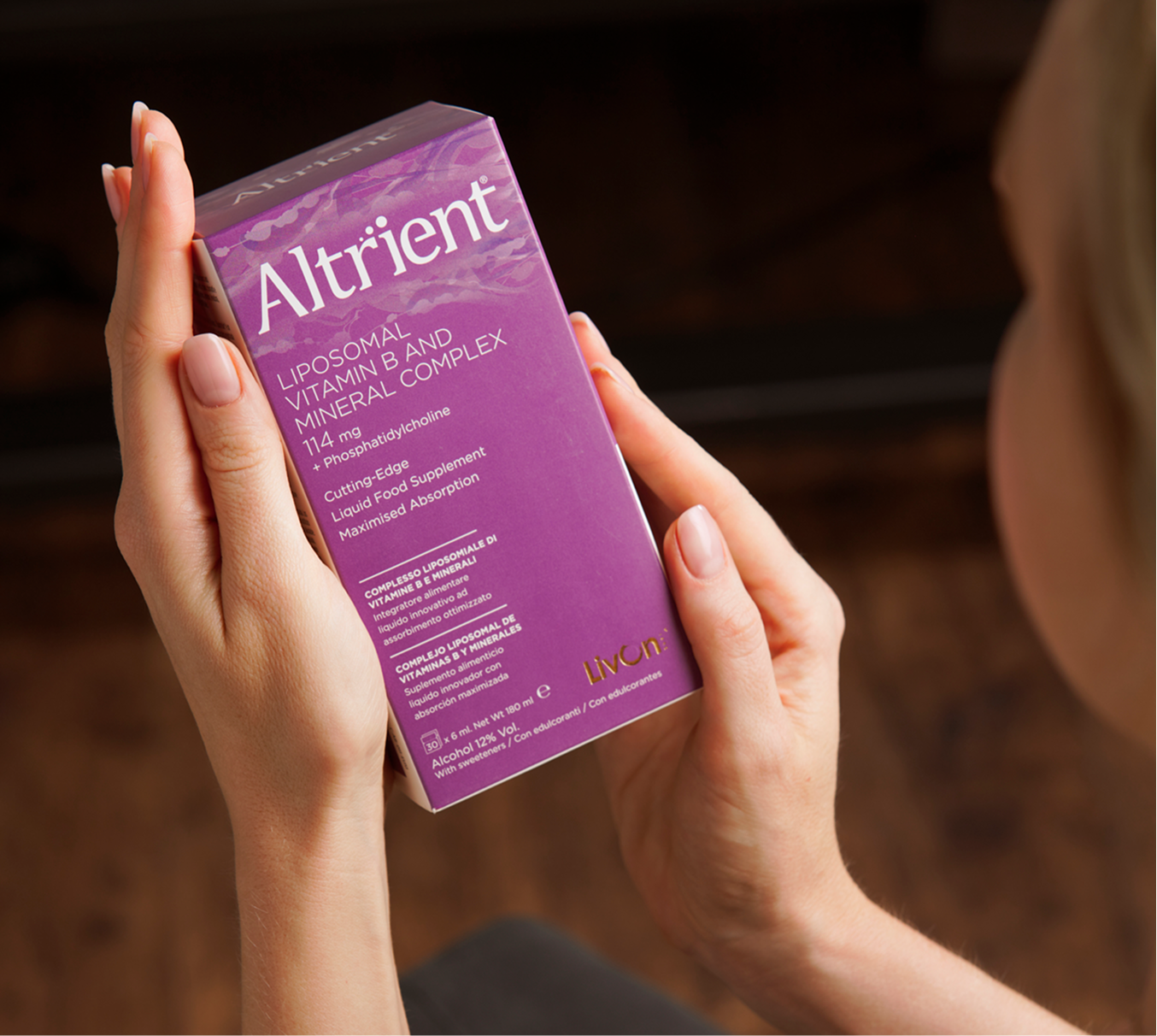
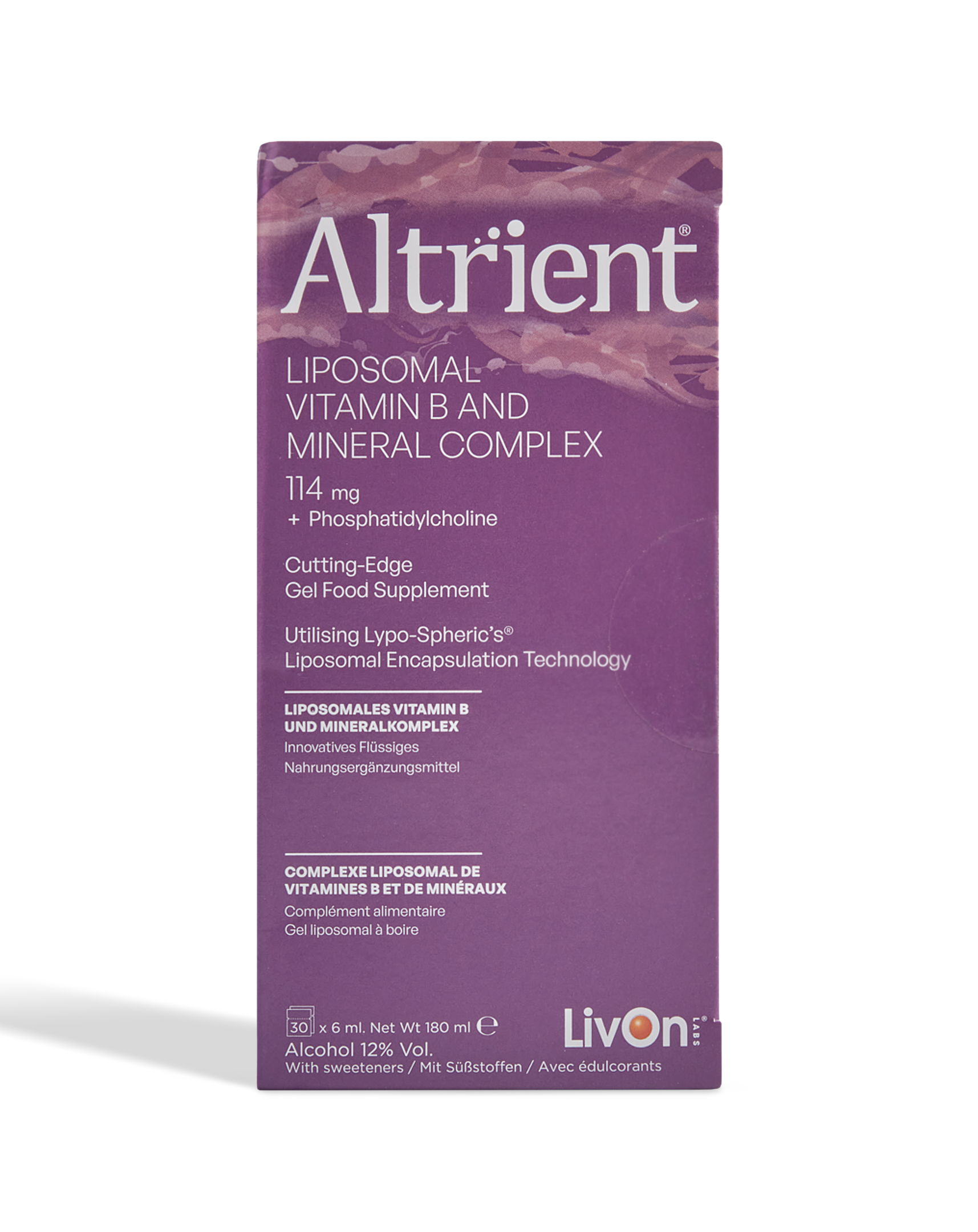
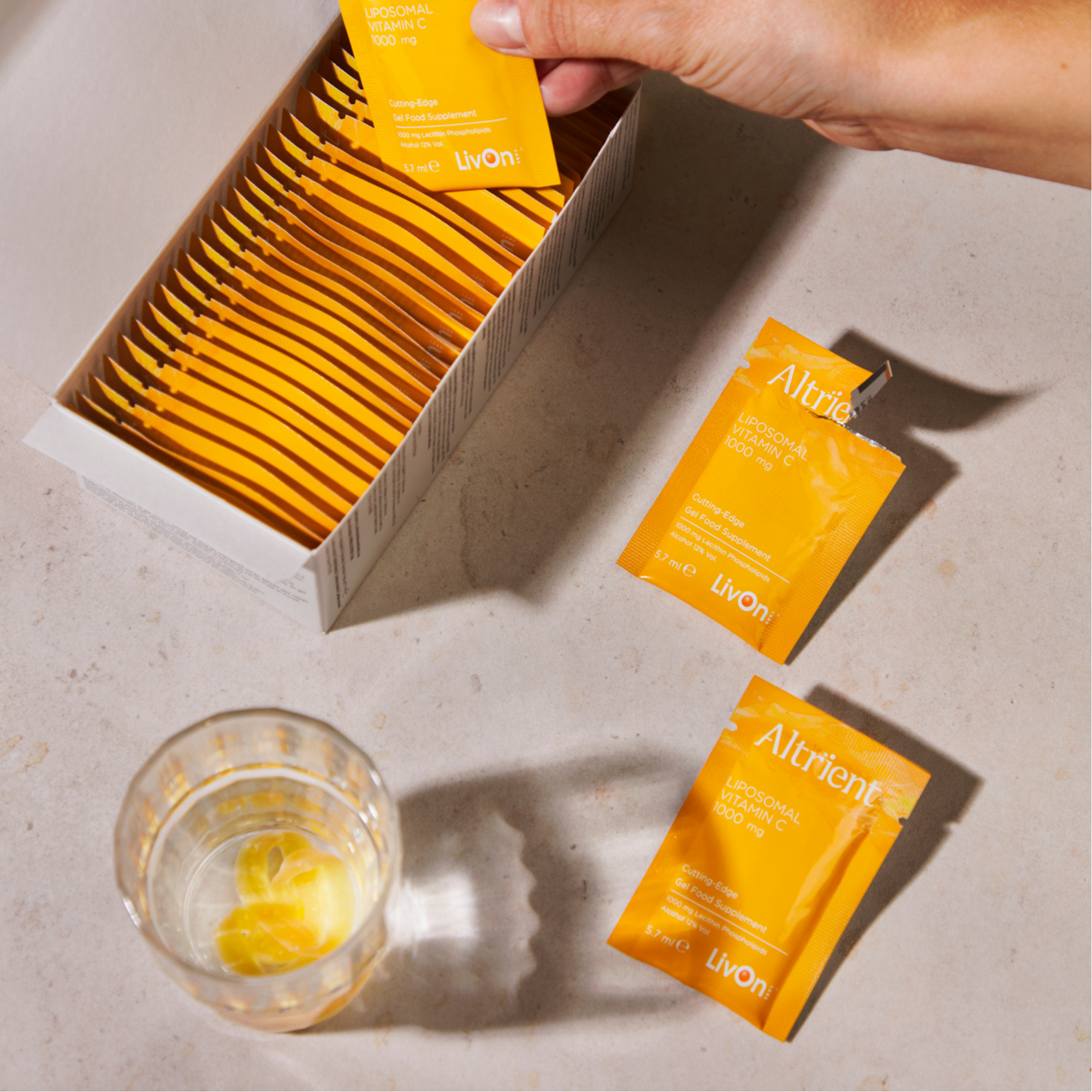
This targeted delivery method underpins advanced formulations like Altrient's Liposomal R-Alpha Lipoic Acid.
 The Glutathione Support Plate: How To Build Your Meals
Rather than focusing on single ‘superfoods', aim to build balanced meals that deliver the raw materials your body needs to produce and protect glutathione naturally.
🍗 Quality Protein (The Building Blocks)
- Aim for a palm-sized portion at each main meal.
- Top choices: chicken, turkey, fish, eggs, Greek yoghurt, tofu, lentils, and beans.
- Why it helps: delivers cysteine, glycine, and glutamate—the three essential amino acid building blocks your body uses to construct glutathione.
🥦 Sulphur-Rich Vegetables
- Try to fill at least half your plate with colourful vegetables.
- Best choices: broccoli, Brussels sprouts, kale, cabbage, cauliflower, garlic, and onions.
- Why it helps: provides natural sulphur compounds that help stimulate and support glutathione synthesis.
🍓 Vitamin C-Rich Fruit and Vegetables
- Include a portion with your meals or daily snacks.
- Best choices: kiwi, oranges, berries, bell peppers, broccoli, and tomatoes.
- Why it helps: supplies vitamin C, which may help recycle used-up glutathione back into its active state.11
🌰 Selenium-Rich Foods
- A small daily amount goes a long way.
- Best choices: Brazil nuts (just 1 to 2 per day), tuna, sardines, eggs, whole grains, and sunflower seeds.
- Why it helps: contains trace selenium, a critical structural element for glutathione-dependent enzymes to function.12
Complementary Nutrients to Keep in Mind
To add further support, two key compounds also complement glutathione pathways:
- Alpha Lipoic Acid (ALA): found in modest amounts in spinach, broccoli, and organ meats.11 Supplemental forms are often used in research because higher amounts are difficult to achieve from food alone.
- Acetyl-L-Carnitine: naturally found in animal foods (especially red meat and fish), playing a supporting role in cellular energy metabolism.
 Supporting Glutathione Through Lifestyle
Nutrition is only one part of the picture. Everyday habits also influence your body's ability to maintain healthy glutathione levels.
During the summer months in particular, protecting your skin from excessive UV exposure becomes especially important. Ultraviolet radiation increases oxidative stress within skin cells, making sensible sun protection an important part of any skin health routine.13
Other ways to support your body's natural glutathione production include:
- Eating enough high-quality protein.
- Including plenty of colourful vegetables and fruit every day.
- Exercising regularly without overtraining.
- Prioritising restorative sleep.
- Limiting smoking and excessive alcohol intake (both of which consume cellular glutathione).
- Managing stress where possible to reduce unnecessary oxidative load.
These daily habits support overall health while delivering the nutrients your cells rely on.
Supplements Worth Knowing About
A varied diet should always be your foundation, but targeted supplements may complement a healthy routine where dietary intake is less than ideal or nutrient demands increase. Choosing products with well-researched delivery systems and transparent ingredients is far preferable to chasing high-dose trends or cosmetic quick fixes.
For those looking to support their diet with targeted nutrients, two formats stand out:
- Altrient's Liposomal R-Alpha Lipoic Acid: delivers the naturally occurring R-form of ALA in a protective liposomal system. This delivery format is designed to improve absorption and may help support your body's natural glutathione recycling pathways.
- Results RNA's Advanced Cellular Glutathione: uses an intra-oral spray format intended for efficient mucosal absorption, helping more of the active compound bypass standard digestive breakdown.
Rather than replacing a healthy diet, these products are best viewed as supportive options that sit sensibly alongside a nutrient-rich routine.
A Sensible Approach
Glutathione has earned its place in the spotlight, but perhaps not for the reasons often promoted on social media. Rather than viewing it as a rapid cosmetic shortcut, it makes far more sense to think about how your body naturally produces and maintains it every day.
A diet rich in quality protein, colourful plant foods and key micronutrients, combined with sensible lifestyle habits, provides the primary foundation. Where appropriate, well-formulated supplements can offer extra nutritional support, helping you work with your body's biology rather than trying to override it.
Frequently Asked Questions
Is it better to take glutathione or alpha lipoic acid?
They serve distinct purposes rather than acting as direct replacements for each other. Glutathione provides the compound directly, whereas alpha lipoic acid helps support your body's ability to recycle glutathione after it has been used. Some people choose one or the other, while others incorporate both alongside a balanced diet and healthy lifestyle.
Does glutathione do more than affect skin tone?
Yes. Beyond its studied effects on pigmentation, glutathione plays a broader role in immune function, cellular repair, and liver detoxification processes. Its potential skin benefits simply happen to be the aspect receiving the most public attention right now.
What causes glutathione levels to decline?
Several factors have been associated with lower glutathione levels, including natural ageing, smoking, excess alcohol intake, a low nutrient diet, chronic psychological stress, environmental pollution, specific health conditions and prolonged exposure to ultraviolet radiation.4,13
Is alpha lipoic acid safe to take every day?
ALA is generally well tolerated at typical supplemental doses. However, anyone managing diabetes or taking thyroid medication should check with a healthcare professional first, since ALA may influence blood sugar control and thyroid hormone activity.
Do vegans and vegetarians need a different strategy to support glutathione?
Plant-based eaters can readily obtain key building blocks like cysteine from legumes, nuts, seeds, and soy products. Focusing on sulphur-rich vegetables (like onions, garlic, and cruciferous greens) and considering targeted precursor supplements can help ensure consistent daily intake.
When might someone have increased nutritional requirements?
Increased nutrient demands may occur during recovery from illness or surgery, with poor dietary intake, digestive conditions such as Crohn's disease or after gastric bypass surgery, and during pregnancy or older age. In these situations, supplementation may help meet nutritional needs where diet alone is insufficient.
How long before dietary and lifestyle changes make a noticeable difference?
Most clinical studies examining oral glutathione and its precursor nutrients evaluate outcomes over an eight-to-twelve-week period. Consistent daily habits matter far more than any single meal or supplement dose.
Written by: Jacqueline Newson BSc (Hons) Nutritional Therapy
References
- Boo YC. Metabolic basis and clinical evidence for skin lightening effects of thiol compounds. Antioxidants (Basel). 2022;11(3):503.
- Handog EB, Datuin MS, Singzon IA. An open-label trial of oral glutathione in skin lightening. Journal of Dermatological Treatment. 2016;27(2):153-157.
- Sarkar R, Yadav V, Yadav T, P J, Mandal I. Glutathione as a skin-lightening agent and in melasma: a systematic review. International Journal of Dermatology. 2025.
- Duperray J, Sergheraert R, Chalothorn K, Tachalerdmanee P, Perin F. The effects of the oral supplementation of L-Cystine associated with reduced L-Glutathione-GSH on human skin pigmentation: a randomised, double-blinded, benchmark- and placebo-controlled clinical trial. Journal of Cosmetic Dermatology. 2022;21(2):802-813.
- Arjinpathana N, Asawanonda P. Glutathione as an oral whitening agent: a randomised, double-blind, placebo-controlled study. Journal of Dermatological Treatment. 2012;23(2):97-102.
- Forman HJ, Zhang H, Rinna A. Glutathione: overview of its protective roles. Molecular Aspects of Medicine. 2009;30(1-2):1-12.
- Chartered Trading Standards Institute. Public warning issued about dangerous glutathione skin whitening IV drips. June 2025.
- Food and Drug Administration, Philippines. FDA Advisory No. 2019-182: Unsafe Use of Glutathione as Skin Lightening Agent. 2019.
- Alzahrani TF, Alotaibi SM, Alzahrani AA, et al. Exploring the safety and efficacy of glutathione supplementation for skin lightening: a narrative review. Cureus. 2025;17(1):e78045.
- Minich DM, Brown BI. A review of dietary (phyto)nutrients for glutathione support. Nutrients. 2019;11(9):2073.
- Han D, Handelman G, Marcocci L, et al. Lipoic acid increases de novo synthesis of cellular glutathione by improving cystine utilisation. BioFactors. 1997;6(3):321-338.
- Shay KP, Moreau RF, Smith EJ, Smith AR, Hagen TM. Alpha-lipoic acid as a dietary supplement: molecular mechanisms and therapeutic potential. Biochimica et Biophysica Acta. 2009;1790(10):1149-1160.
- Rinnerthaler M, Bischof J, Streubel MK, Trost A, Richter K. Oxidative stress in ageing skin. Biomolecules. 2015;5(2):545-589.
- Sinha R, Sinha I, Calcagnotto A, et al. Oral liposomal glutathione raises body stores of glutathione. European Journal of Clinical Nutrition. 2018;72:105-111; Richie JP Jr, Nichenametla S. Oral glutathione supplementation and systemic availability. European Journal of Nutrition. 2015;54(2):251-263.
Read more
There's something magical about landing somewhere new. New streets to wander, new dishes to try, new flavours you'd never dream of cooking at home. It's all part of the fun. But while you're busy f...

Reaching for an orange when you're flagging, hoping for a quick energy lift, will leave you disappointed. In reality, vitamin C works nothing like caffeine or a sugary energy drink. It contains no ...