





GLP-1 Nutrition Gaps: What You Need to Watch
GLP-1 medications have transformed the way we think about obesity. They have highlighted that rather than being purely a matter of self-control or willpower, appetite, hunger and fullness are strongly influenced by biology through the gut-brain axis and the hormones that regulate metabolism.
That shift matters, but it has also fuelled misconceptions. Some people dismiss GLP-1s as an easy option, overlooking the fact that living with a suppressed appetite comes with its own challenges. Eating substantially less for months at a time doesn't just reduce calorie intake; it can also lower protein, vitamin and mineral intake, making good nutrition a critical part of successful treatment.
This is one of the most overlooked aspects of GLP-1 therapy, yet it may be one of the most important. Looking after your nutrition while your appetite is reduced can help maintain muscle, prevent common nutrient shortfalls and place you in a better position to sustain progress if you later reduce or stop treatment.
|
The Five Essentials on GLP-1
|
 Setting the Record Straight
If you're reading this, you're probably making a positive investment in your health in a world full of opinions but often short on practical advice. You may be eating far less than you once did, feeling full after only a few mouthfuls, and discovering that treatment is more complex than many people realise.
You may also encounter opinions from people who don't understand your decision. Your treatment is between you, your healthcare team and your own body. You don't owe anyone an explanation.
Before exploring the practical nutrition strategies that can help you get the best from treatment, let's address some of the most common myths surrounding GLP-1 medications.
|
MYTH: GLP-1 medication is an easy way out. |
|
REALITY: There is nothing easy about managing a significant metabolic shift, navigating side effects, or relearning your relationship with food. This medication isn't a shortcut; it's a medical tool that levels the physiological playing field. It doesn't do the work for you; it finally makes the work possible. |
|
MYTH: You're cheating by not using willpower. |
|
REALITY: You cannot willpower your way out of biology. For many, weight struggles are driven by complex hormonal signals and food noise that others simply don't experience. Using a GLP-1 to address these signals is no more cheating than a person with myopia using glasses to see. It is corrective, not competitive. |
|
MYTH: The medication does all the work. |
|
REALITY: The medication manages your appetite, but you manage your health. If you don't intentionally prioritise protein, hydration, and movement, the medication can lead to muscle loss and depletion. Your active participation, what you choose to put in your body and how you move, is what determines whether you lose weight or actually get healthier. |
|
MYTH: You have to stay on this forever, or you'll fail. |
|
REALITY: This is a conversation for you and your doctor, but the truth is that obesity is a chronic condition, much like hypertension. Some may stay on a maintenance dose, while others may eventually taper off. Moving toward a maintenance phase isn't a failure; it is a transition. |
|
MYTH: Rapid weight loss is the only goal. |
|
REALITY: The goal of your journey is sustainable transformation. Losing weight too quickly at the expense of your hair, your muscle mass, and your energy is a hollow victory. The important thing is to prioritise nourishment over speed. The rest of this guide explores the practical steps that can help you do exactly that. |
 How GLP-1 Weight-Loss Injections Affect Appetite and Digestion
What These Medications Actually Are
Weight-loss injections like Ozempic, Wegovy, and Mounjaro are synthetic versions of GLP-1 (glucagon-like peptide-1), a hormone naturally secreted by the gut after eating.1 GLP-1 helps regulate blood glucose, slows the rate at which food leaves the stomach and signals feelings of fullness to the brain.
Appetite is often thought of as a matter of willpower, but it is actually regulated by a complex network of hormones that constantly communicate between the gut and the brain through the bloodstream and nervous system. Hunger and fullness are shaped by the balance of these signals rather than conscious control alone.
One of these hormones is ghrelin, produced mainly by the stomach, which stimulates appetite. After eating, GLP-1 is released from the intestine and contributes to feelings of fullness. Under normal circumstances, this rise in GLP-1 is short-lived, lasting around two hours before gradually declining as digestion progresses.
What Happens in the Body
GLP-1 receptor agonist medications prolong and amplify these natural satiety signals. By keeping GLP-1 receptors activated for longer than the body normally would, they influence several processes involved in digestion, appetite regulation and blood glucose control, including:
|
Natural vs. Synthetic: Why Side Effects Occur
Unlike the body's own brief bursts of GLP-1 after meals, these medications maintain GLP-1 receptor activation for much longer. While this prolonged effect helps reduce appetite, it can also slow digestion enough to produce side effects, particularly during the early stages of treatment or after dose increases.
Common side effects include:
- Nausea and vomiting, especially in the evening6
- Bloating, reflux and constipation
- Reduced appetite6-8
- Gallbladder-related issues in some individuals
Research also suggests a modest increase in the risk of gallstones and gallbladder inflammation, particularly in people taking higher doses or losing weight rapidly. Although the overall risk remains relatively low, anyone with a history of gallstones or very rapid weight loss may benefit from closer medical monitoring.
 Why Nutrition Still Matters on GLP-1
Weight-loss injections work by changing appetite, digestion and hunger signals. That is exactly what they are designed to do. However, while appetite may be optional for a while, your body's nutritional requirements remain the same. Every day, your cells still need energy, your muscles require protein, and your nervous system depends on a regular supply of vitamins, minerals and fluids to function normally, whether you feel like eating or not.
You may have discovered that eating less is surprisingly easy, but feeling well is not. This is a physiological consequence of eating less, not a sign that the medication is unsuitable for you. It simply means your body needs additional nutritional support while it adapts.
If food intake falls without a plan, the body may compensate by breaking down muscle tissue to meet its protein needs and divert available nutrients away from lower-priority functions such as maintaining healthy hair and skin.
 Understanding Nutrition Gaps
These changes don't just affect how you feel. They also influence what, and how much, you are able to eat. Over time, this can lead to what healthcare professionals often describe as nutrition gaps.
A nutrition gap occurs when your food intake no longer provides enough macronutrients, such as protein, or micronutrients, including vitamins and minerals, to meet your body's needs. Research suggests that people taking GLP-1 medications commonly consume less protein, iron, B vitamins, zinc and magnesium, alongside lower intakes of fibre and fluids. Without careful planning, these shortfalls may affect energy levels, digestion, muscle maintenance and overall wellbeing.
Protein – The Priority
Protein is the single most important macronutrient for protecting lean mass during rapid weight loss. When calories fall sharply, the body may break down muscle tissue for energy. Studies show that rapid weight loss combined with low protein intake increases the risk of lean muscle loss, particularly during appetite suppression.9-11 Protein intake often drops sharply on GLP-1 medications for three reasons: portions become much smaller, protein foods are often less appealing when nauseous, and early fullness arrives before enough protein has been eaten.
How Much Is Enough?
Aim for roughly 1.2 g per kg body weight (a useful starting target for many) and consider 1.2–1.6 g/kg if you’re older or in a major calorie deficit. Small, protein-focused strategies work well when portions are tiny: a boiled egg, Greek yoghurt, a small tin of tuna, or a protein-rich shake can close gaps without huge volumes.
Protein becomes even more important as we age, since the body becomes less efficient at using it to maintain muscle. Post-menopausal women and older adults often benefit from aiming a little higher to help protect strength, mobility and overall health.
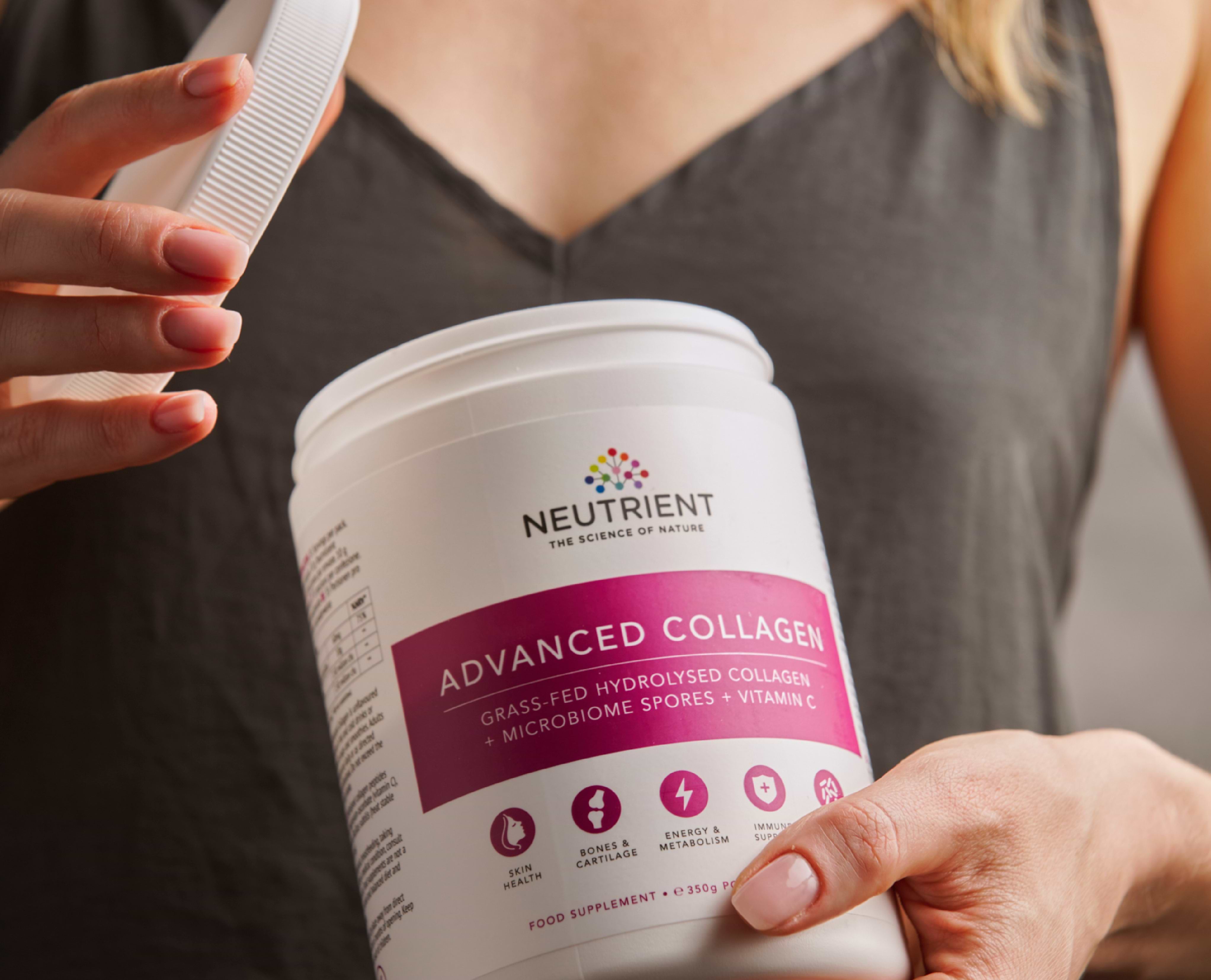
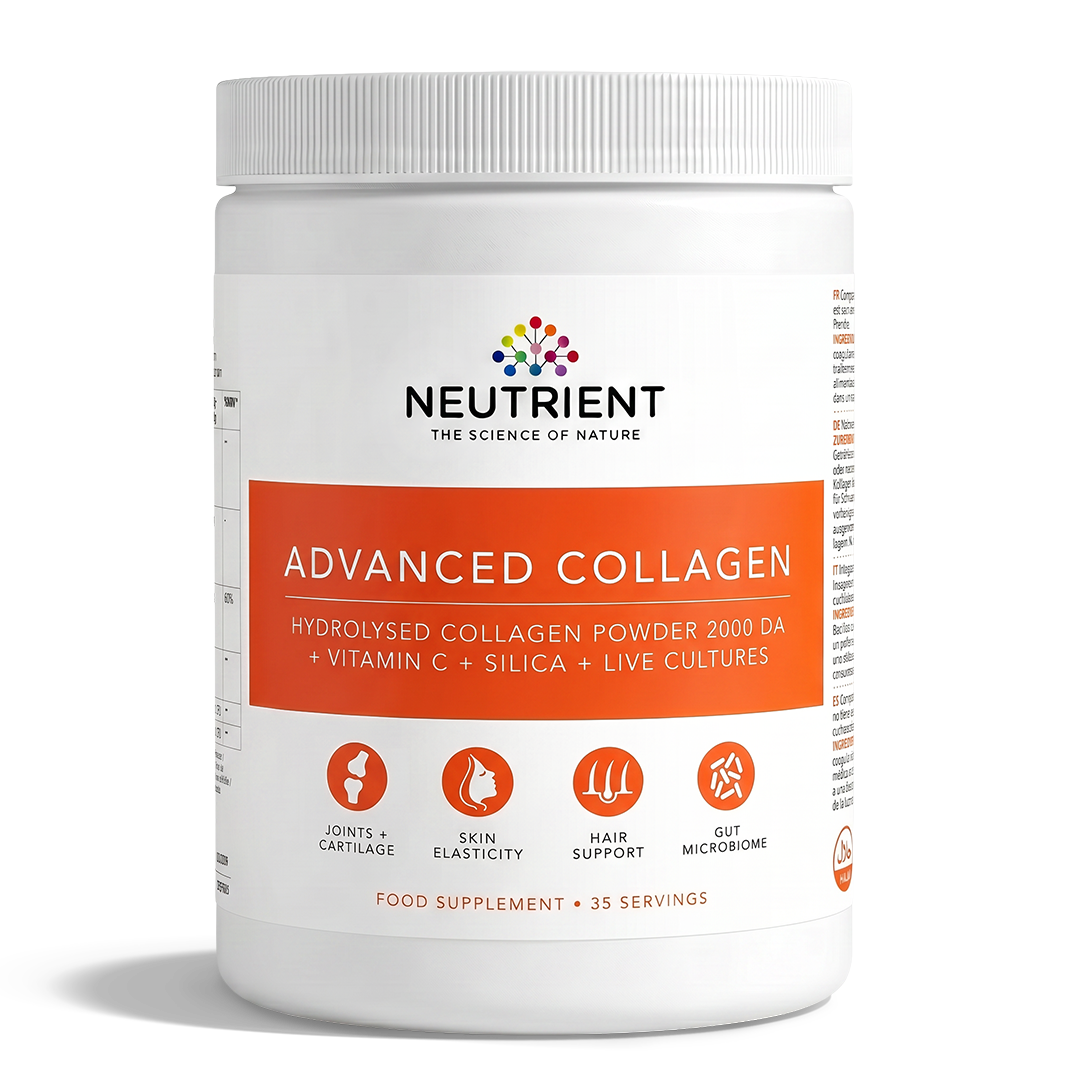
While collagen shouldn't replace protein-rich foods such as meat, fish, eggs or dairy, it can be a useful addition during significant weight loss. Collagen supplies the amino acids needed to support connective tissues throughout the body, including skin, cartilage, tendons and ligaments. As weight changes rapidly, some people also become more aware of changes in skin elasticity, making collagen peptides a sensible complement to, rather than a replacement for, an overall protein-focused diet. Advanced Collagen combines hydrolysed collagen peptides with vitamin C, which contributes to collagen formation for normal skin, cartilage and bone function.
Fluids and Electrolytes: Don’t Wait to Feel Thirsty
A meaningful share of daily water and electrolytes comes from food;12 slower gastric emptying can blunt thirst cues, so it's easy to under-drink without noticing. When eating less, plain water may not be enough, so sip steadily through the day, include electrolyte-containing drinks if you’re vomiting, experiencing diarrhoea, or sweating heavily, and watch for early signs of low intake such as headaches, dizziness or constipation.
Fibre and Gut Comfort – Gentle and Consistent
Fibre does two jobs at once: it feeds the gut bacteria that help regulate digestion, and it adds the bulk that keeps things moving. Both matter more on a GLP-1, since slower gastric emptying combined with a smaller volume of food can cause constipation.
Oats, beans, lentils, chia and cooked vegetables are gentler starting points than raw, fibrous foods if your digestion is already sensitive. Gradually increasing fibre, together with adequate fluids, is usually better tolerated than making large dietary changes overnight. For some people, particularly those experiencing constipation or altered bowel habits despite improving their diet, a daily live culture supplement may also be helpful alongside these measures. NeuBiotic provides a broad spectrum of live bacterial strains together with prebiotic fibres to complement a fibre-rich diet and support a healthy gut environment while food intake remains reduced.
Common Nutrition Gaps on GLP-1: Key Micronutrients to Watch
It's easy for your intake of key vitamins and minerals to slip without realising it once you start eating less. The following nutrients are among those most commonly affected when appetite remains reduced for an extended period:13-15
|
Nutrient |
Why It Matters |
Food Sources |
|---|---|---|
|
B12 / Folate |
Energy, red blood cells, and nerve function |
Eggs, dairy, fish, meat, fortified foods |
|
Iron (especially women) |
Fatigue prevention, hair health |
Red meat, poultry, fish, lentils, plus vitamin C to help absorption |
|
Zinc |
Immunity, taste and appetite |
Meat, shellfish, dairy, seeds |
|
Magnesium |
Constipation, sleep, cramps |
Leafy greens, nuts, seeds, wholegrains |
|
Chromium |
Supports insulin sensitivity and blood sugar balance |
Wholegrains, vegetables, nuts, poultry, beef, eggs |
Reduced food intake rarely affects just one nutrient. Rather than trying to replace several vitamins and minerals individually, many people find it simpler to use a comprehensive multivitamin and mineral as their nutritional foundation. Neutrient Multi+ provides many of the nutrients most commonly affected during periods of reduced appetite in one convenient daily formula, while individual supplements can still be added where clinically appropriate.
 Supplements: When They Help to Fill Nutrition Gaps
Supplements can help when food intake is consistently low, but they’re a companion to, not a substitute for, good nutrition. This section explains when each type is genuinely helpful.
|
Multivitamin Support: When it helps: A daily multivitamin-mineral can provide a reliable baseline if you're eating significantly less across the board, and your diet has become repetitive or limited, making it hard to cover iron, zinc, magnesium and B vitamins from food alone. Or you might just prefer to have one dependable daily habit rather than several. Always take a multivitamin with food to support absorption and reduce the chance of nausea. |
|
Collagen Support During Weight Loss: When it helps: If your overall protein intake is adequate but you're concerned about supporting skin, connective tissues or joints during substantial weight loss. Advanced Collagen provides hydrolysed collagen peptides together with vitamin C, which contributes to collagen formation for normal cartilage, bones and skin function. It should be viewed as an addition to, rather than a substitute for, meeting your daily protein requirements. |
|
Live Cultures for Gut and Bowel Support: When it helps: If bowel movements have become less frequent or more difficult since starting GLP-1 treatment, despite adequate fibre and fluid intake, or if slowed gastric emptying is contributing to sluggish digestion. NeuBiotic provides 20 carefully selected live bacterial strains together with prebiotic fibres. Take it consistently, as changes in the gut microbiota occur gradually rather than overnight. |
|
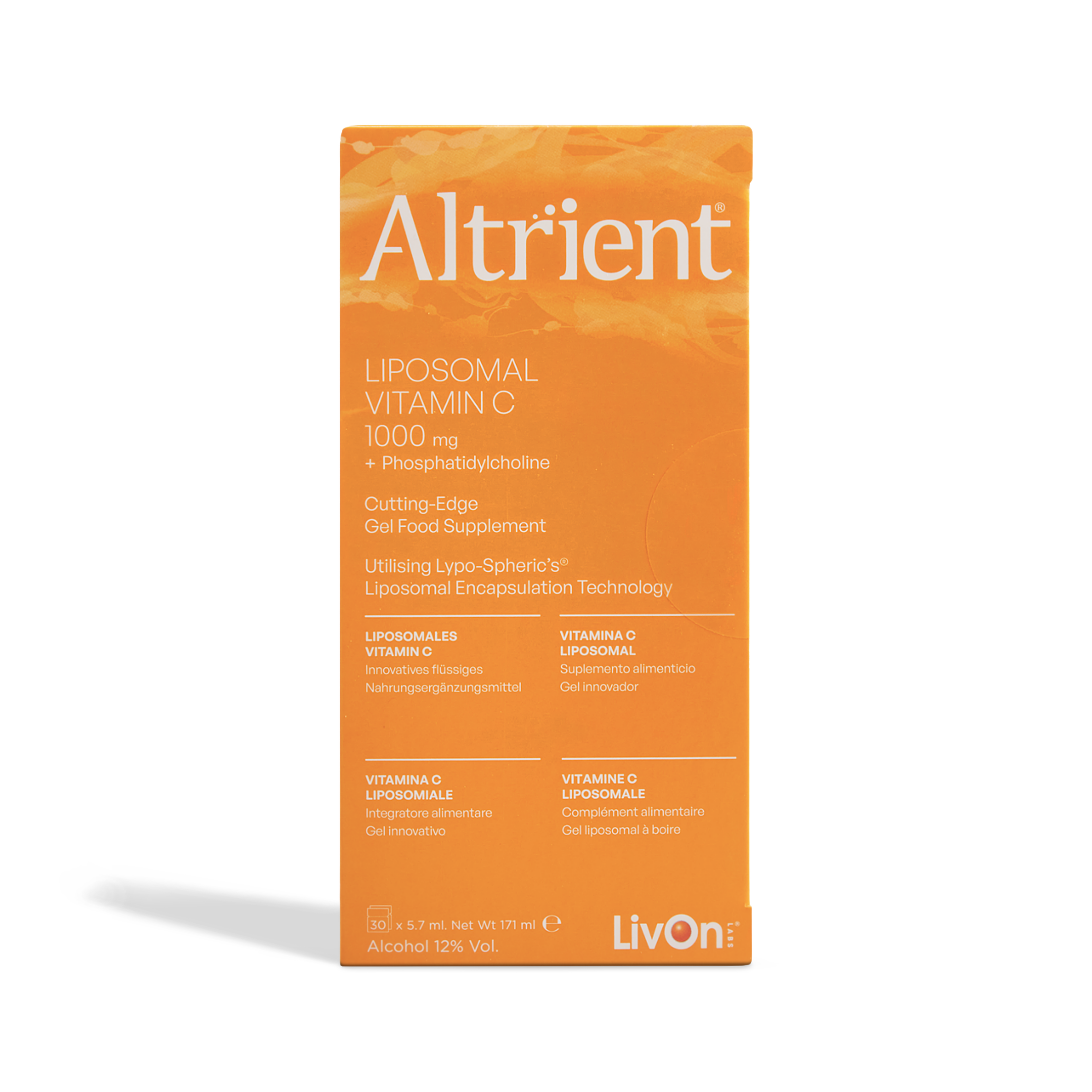
Immune, Energy and Skin Support with Vitamin C When it helps: Fruit and vegetable intake has fallen along with everything else, making vitamin C one of the first nutrients to slip. You may be feeling more run down than usual, or noticing that your skin doesn't seem as resilient as before. Vitamin C supports normal immune function, contributes to normal energy metabolism by helping reduce tiredness and fatigue, and is essential for normal collagen formation to support healthy skin. Because it is water-soluble, a consistent daily intake is more beneficial than occasional high doses. It also enhances the absorption of iron from meals, making it particularly useful alongside iron-rich foods. |
|
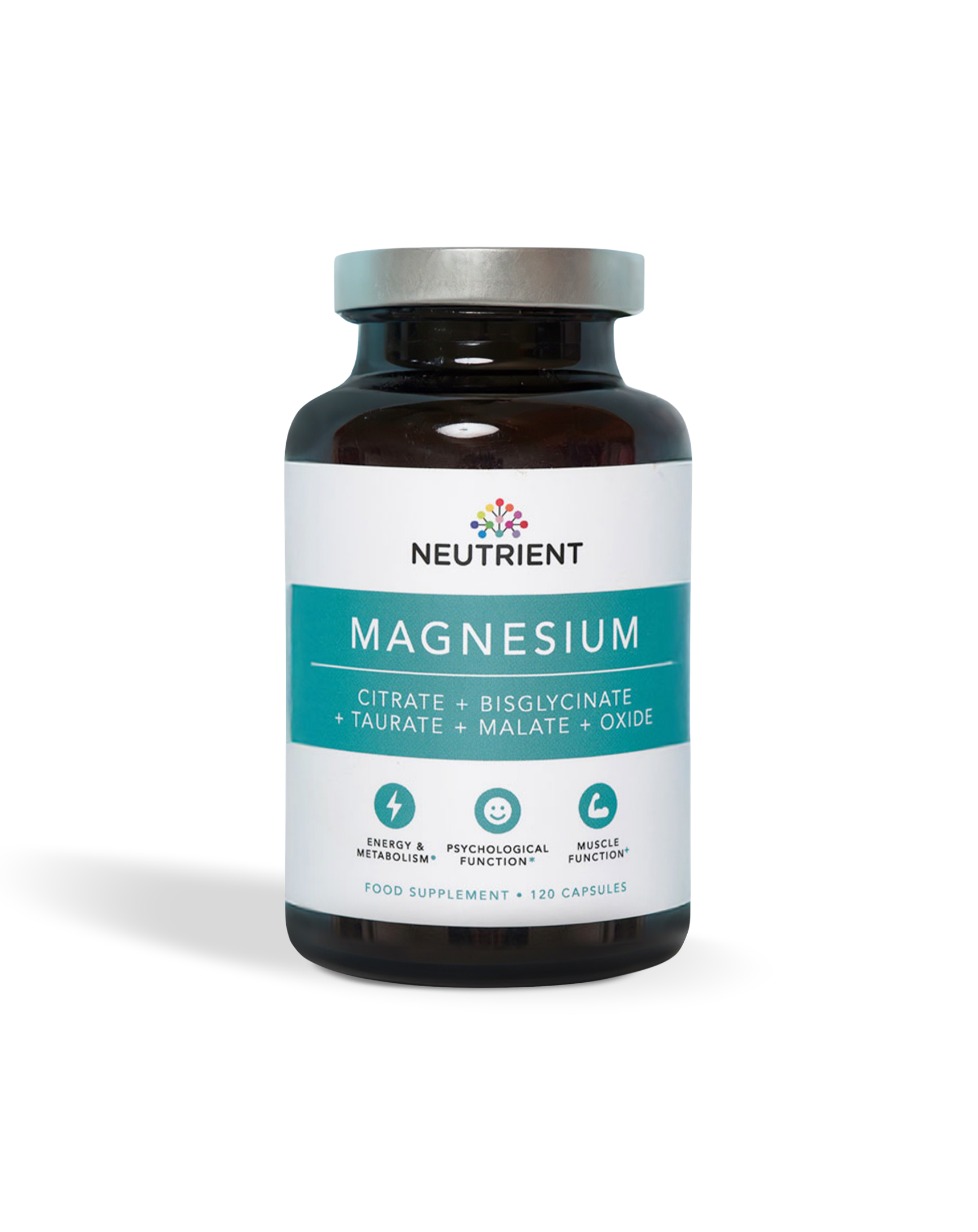
Magnesium in a Well Absorbed Form When it helps: Fibre, fluids and a live culture formula are already in place, but muscle cramps, restless legs or poor sleep remain. Magnesium supports normal muscle and nervous system function, making it a useful next step once digestive factors have been addressed. When choosing a supplement, opt for magnesium citrate or glycinate, which are highly bioavailable and usually gentler on the stomach. Ideally, start with a low dose and increase gradually. |
Practical daily checklist
- Prioritise a small protein at every meal or snack.
- Sip water consistently and add electrolytes if symptoms or heavy sweating occur.
- Include a gentle source of fibre daily.
- Consider a single comprehensive multivitamin if intake is low.
- Keep movement (especially resistance training) to protect muscle.
 Why Fixing Gaps Matters Long-Term to Prevent Rebound Weight Gain
If nutrition gaps aren’t addressed, the body adapts to lower intake. Hunger hormones such as ghrelin rise and satiety signals return towards normal, which can lead to increased hunger, stronger cravings, blood sugar fluctuations and for some people, rapid weight gain.16 Planning protein, fibre, balanced meals and exercise as you taper or stop medication helps stabilise appetite and blood sugar so hunger doesn’t overshoot on the way back.
-
Prioritise protein to preserve satiety. Protein increases satiety hormones and reduces subsequent energy intake more than carbohydrates or fat.17 Higher protein intake during weight maintenance is shown to reduce weight regain following weight loss.18
High-protein foods such as eggs, dairy, lean meats and fish can also substantially increase post-meal GLP-1 secretion, helping your body support its own fullness signals as the medication steps back. Aim to maintain 1.2-1.6 g protein per kg body weight during transition, roughly 25-40 g per main meal where possible.
-
Use fibre strategically. Soluble fibre increases fullness, slows gastric emptying, and reduces post-prandial glucose spikes.19 Higher fibre intake is associated with lower long-term weight regain.20
Focus on oats, lentils, beans, chia, ground flax, and psyllium if tolerated. Soluble fibre also helps your gut naturally release more GLP-1 through fermentation and short-chain fatty acids,21 which is part of why the fibre habits mentioned earlier are worth keeping well beyond the tapering period.
-
Include healthy fats for satiety. Healthy fats trigger cholecystokinin (CCK), a fullness hormone that slows stomach emptying.22
Moderate inclusion of extra virgin olive oil, nuts, seeds and oily fish helps prevent a rapid return of hunger. This is not a return to low-fat dieting; low-fat approaches often worsen rebound hunger.
-
Balance blood sugar to prevent cravings. After weight loss, your body naturally conserves energy and ramps up hunger.23 Blood sugar swings amplify cravings and overeating, while balanced meals of protein, fibre, fat and moderate carbs help steady those swings and tame appetite rebound.24
Cinnamon, chromium, and other blood sugar-supportive foods can also enhance insulin sensitivity during this phase. It's best to avoid large refined carbohydrate meals eaten in isolation, such as white bread, pasta, rice or pizza, and to skip long fasting periods if they tend to trigger rebound eating for you.
-
Exercise wisely. Exercise after weight loss is one of the strongest predictors of successful weight maintenance.25 Resistance training keeps your metabolism humming and cardio sharpens your body's hunger signals.26 During transition, movement is no longer optional; it's protective.
-
Work with your healthcare provider on pacing. If you're considering a dose reduction, work with your doctor to find the minimum effective dose that manages side effects while maintaining progress.
A gradual, supported taper tends to sit far more comfortably with your appetite and energy than stopping abruptly.
 Wherever You Are in the Journey
Whatever stage you're at, starting, adjusting, tapering off, or somewhere in the maintenance phase that follows, the goal is the same: giving your body the nourishment it needs. Reduced appetite doesn't have to mean reduced nourishment.
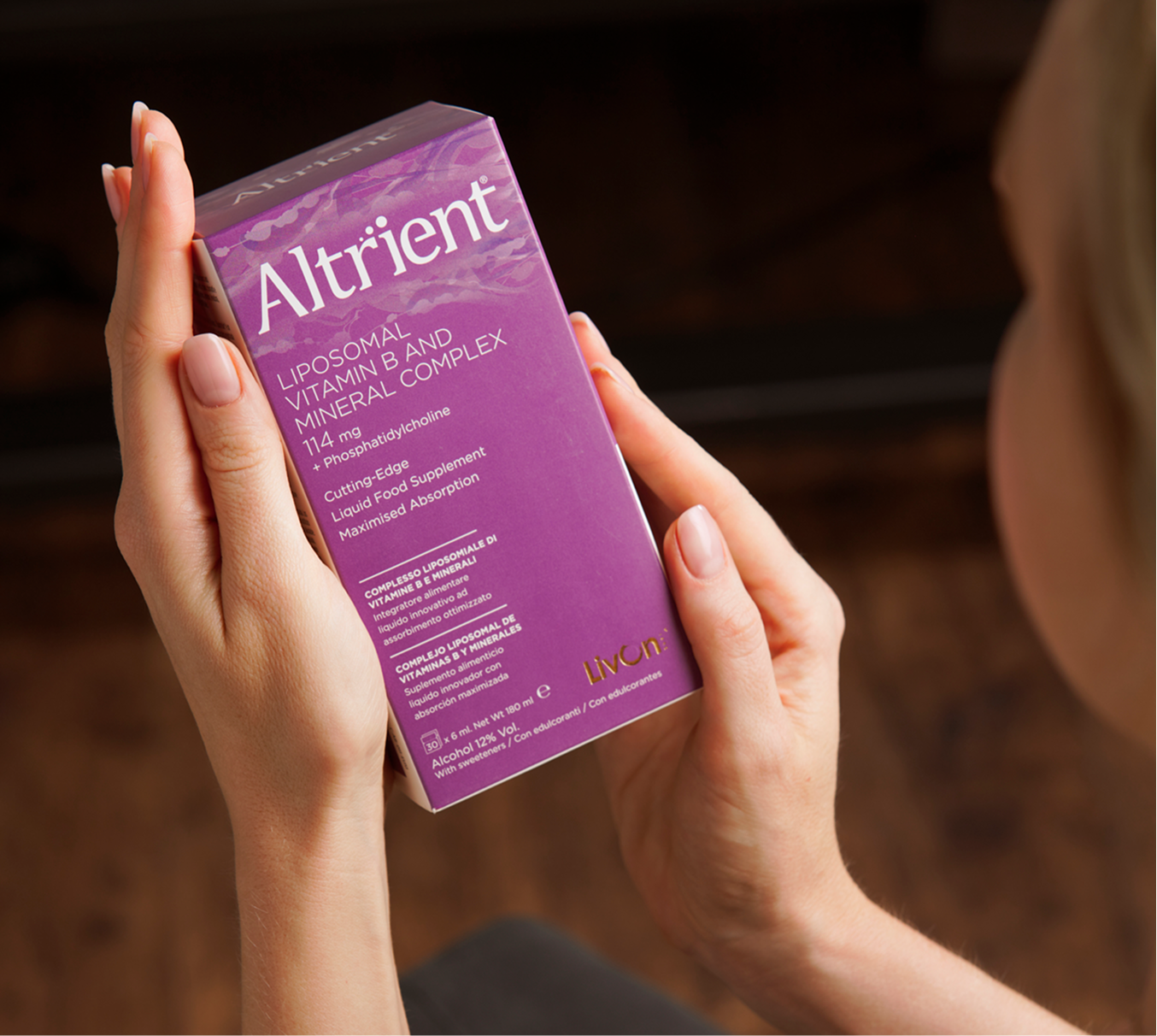
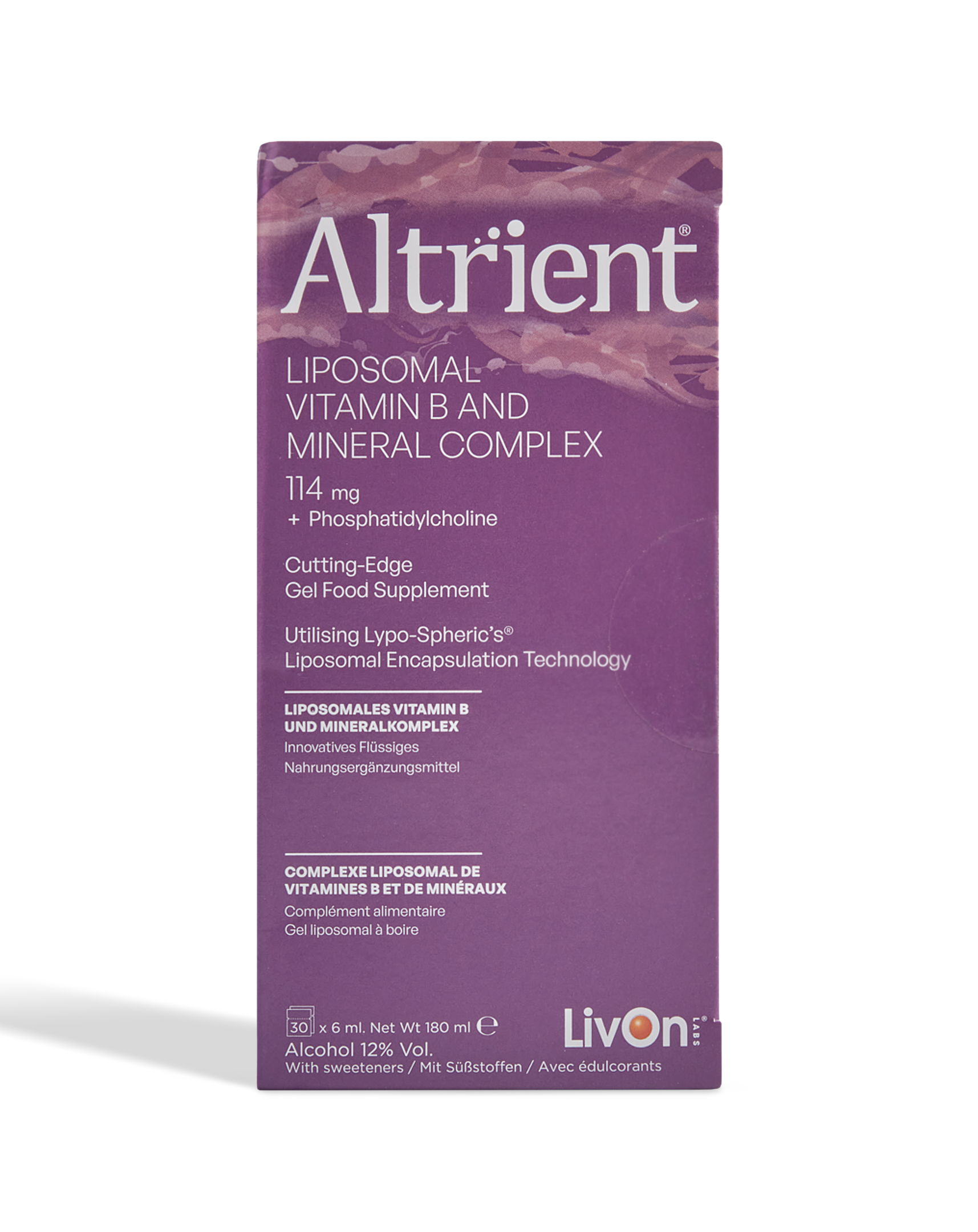
A daily multivitamin such as Neutrient Multi+ can help close the micronutrient gaps that are easy to miss when meals become smaller. If digestive comfort or bowel regularity has changed, NeuBiotic provides a broad-spectrum live culture formula to complement adequate fibre and fluid intake.
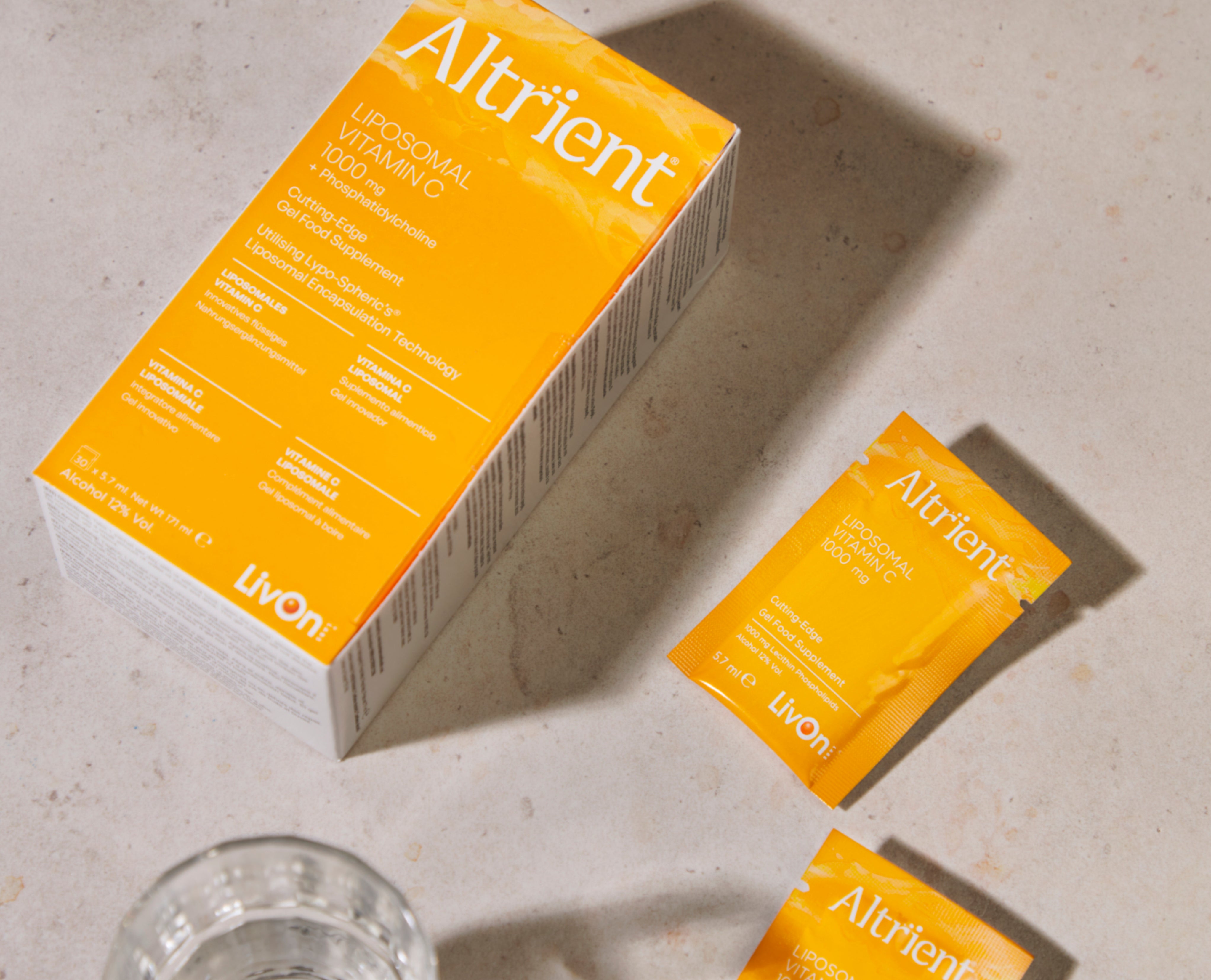
Advanced Collagen can be a useful addition for those wishing to support connective tissues during periods of significant weight loss, while Total C provides vitamin C to support normal immune function, energy metabolism and normal collagen formation.
None of these replaces good food, hydration, movement or medical advice; they're simply practical tools that can help make nutritional gaps easier to manage. The most sustainable version of this journey is rarely the fastest one. It's the one where you're still standing, still nourished, and still feeling like yourself, however long it takes.
Written by: Jacqueline Newson BSc (Hons) Nutritional Therapy
References
- Drucker DJ. Mechanisms of action and therapeutic application of glucagon-like peptide-1. Cell Metabolism. 2018;27(4):740-756.
- Holst JJ. The physiology of glucagon-like peptide-1. Physiological Reviews. 2007;87(4):1409-1439.
- Nauck MA, et al. Glucagon-like peptide-1 receptor agonists in the treatment of type 2 diabetes. The Lancet. 2016;388(10057):2023-2039.
- Meier JJ. GLP-1 receptor agonists for individualised treatment of type 2 diabetes mellitus. Nature Reviews Endocrinology. 2012;8:728-742.
- Blundell J, et al. Effects of GLP-1 on appetite and energy intake. Physiology & Behavior. 2017;176:139-148.
- Bettge K, et al. Occurrence of nausea, vomiting and diarrhoea with GLP-1 receptor agonists. Diabetes, Obesity and Metabolism. 2017;19(3):336-347.
- Jensen CB, et al. Gastrointestinal tolerability of GLP-1 receptor agonists. Diabetes Therapy. 2023;14:119-134.
- Wilding JPH, et al. Once-weekly semaglutide in adults with overweight or obesity. New England Journal of Medicine. 2021;384:989-1002.
- Wolfe RR, et al. Optimal protein intake in adults. Nutrition Reviews. 2017;75(6):456-473.
- Paddon-Jones D, Rasmussen BB. Dietary protein recommendations and muscle preservation. Current Opinion in Clinical Nutrition & Metabolic Care. 2009;12(1):86-90.
- Murphy CH, et al. Protein intake and muscle mass during weight loss. Journal of Nutrition. 2016;146(1):85-91.
- Institute of Medicine. Dietary Reference Intakes for Water, Potassium, Sodium, Chloride, and Sulfate. National Academies Press; 2005.
- Gibson RS. Principles of Nutritional Assessment. Oxford University Press; 2005.
- Beard JL. Iron biology in health and disease. Journal of Nutrition. 2001;131(2S-2):568S-580S.
- Rosanoff A, et al. Suboptimal magnesium status. Nutrition Reviews. 2012;70(3):153-164.
- Sumithran P, et al. Long-term persistence of hormonal adaptations to weight loss. New England Journal of Medicine. 2011;365:1597-1604.
- Leidy HJ, et al. Protein and satiety. American Journal of Clinical Nutrition. 2015;101:1320S-1329S.
- Westerterp-Plantenga MS, et al. High protein intake sustains weight maintenance. International Journal of Obesity. 2004;28:57-64.
- Slavin JL. Fibre and satiety. Nutrients. 2013;5:1417-1435.
- Du H, et al. Dietary fibre and weight regulation. American Journal of Clinical Nutrition. 2010;91:329-336.
- Chambers ES, et al. Short-chain fatty acids and GLP-1 secretion. Gut. 2015;64:1744-1754.
- Little TJ, et al. Fat and CCK release. American Journal of Physiology. 2007;292:G1609-G1616.
- Rosenbaum M, Leibel RL. Adaptive thermogenesis. International Journal of Obesity. 2010;34:S47-S55.
- Ludwig DS. Glycaemic index and obesity. JAMA. 2002;287:2414-2423.
- Wing RR, Phelan S. Long-term weight loss maintenance. American Journal of Clinical Nutrition. 2005;82:222S-225S.
- Martins C, et al. Exercise and appetite regulation. British Journal of Sports Medicine. 2015;49:1386-1393.
Read more

Struggling to concentrate, losing your train of thought mid-sentence, or feeling like your brain is covered in a blanket of glue by mid-afternoon? You're not imagining it, and you're far from alone...
My 4 Daily Essentials One of the questions I'm often asked when I’m out with friends or meeting with clients is a simple one: "What supplements do you actually take yourself?" The answer is usuall...