

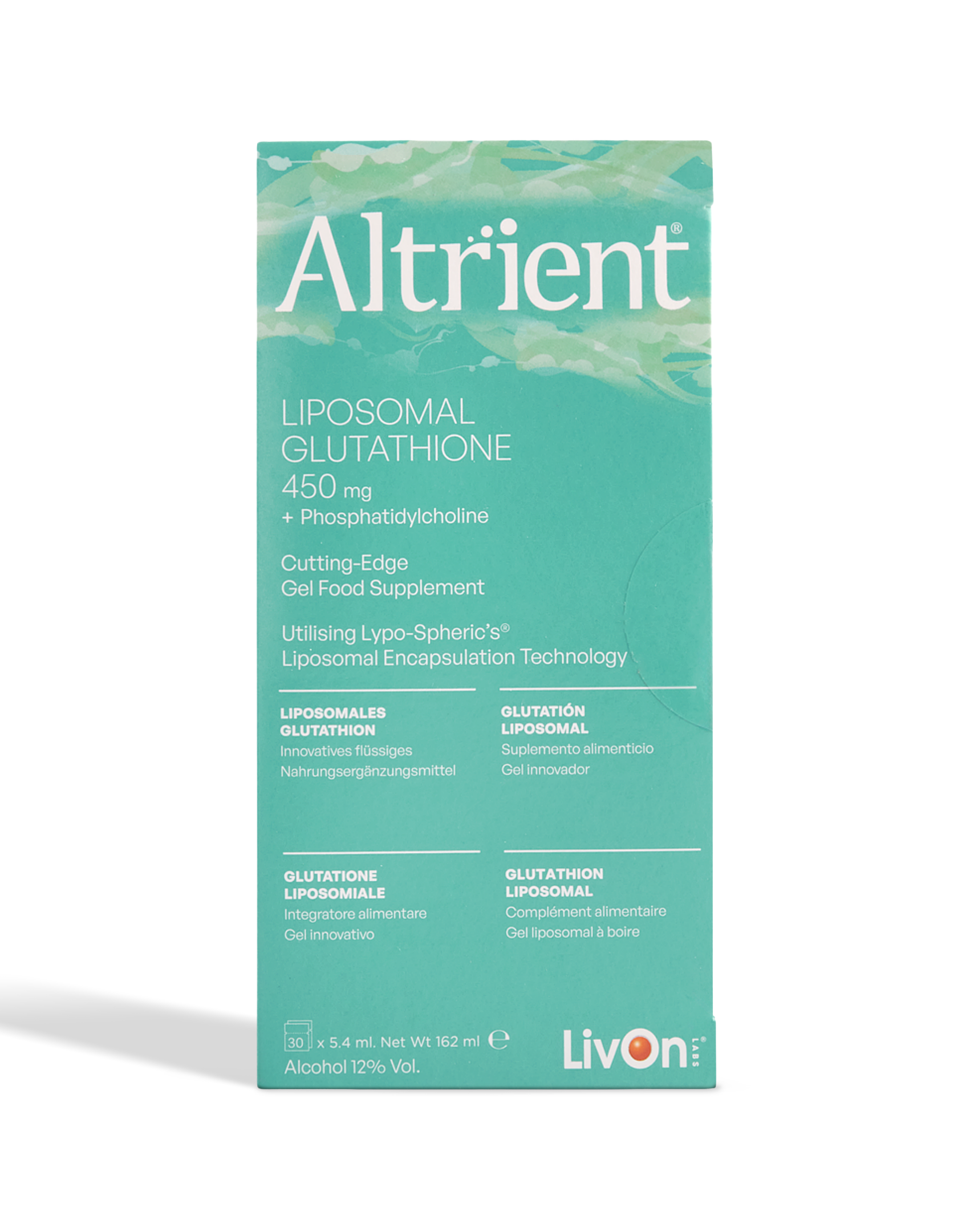
Inside Guide to Altrient Glutathione
Understanding the body's master defender
Every second of every day, your body is exposed to challenges that can damage its cells. Pollution, sunlight, intense exercise, illness, poor diet and even normal metabolism all generate unstable molecules known as free radicals. Fortunately, your body has its own defence system, and at the heart of it is glutathione. Made naturally by the body, this remarkable compound helps defend against oxidative stress, supports the liver's detoxification processes and plays a role in maintaining healthy immune function.
Like many of the body's natural defences, glutathione levels can decline with age and may also be influenced by factors such as poor diet, illness, pollution, certain medications and ongoing physical or emotional stress. In this guide, we'll explore what glutathione is, why it matters, what causes levels to fall, and what the latest research says about supporting healthy glutathione status through diet and supplementation.
At a glance
|
What it is |
A tripeptide built from three amino acids: glutamate, cysteine and glycine |
|
Where it's made |
Primarily in the liver, though present in almost every cell in the body |
|
Also concentrated in |
Brain, kidneys, lungs, skin, eyes and the intestinal lining |
|
Naturally declines |
With age, lower levels are observed from midlife onward |
|
Studied for |
Cellular protection, detoxification support, immune function and skin brightness |
|
Why it matters |
Helps protect cells from oxidative stress, supports the body's natural detoxification processes and contributes to healthy immune function. |
 What is Glutathione?
Glutathione (GSH) is a water-soluble tripeptide built from three amino acids: glutamate, cysteine and glycine. Most glutathione inside cells exists in its active (reduced) form, which helps defend against oxidative stress.1
GSH is present in almost every cell in the body and is found at particularly high concentrations in tissues that are more exposed to stress and toxins, including the brain, kidneys, liver, heart, lungs, skin, intestinal lining, cornea and retina. This is especially notable in the liver, where its abundance reflects its role in helping protect cells and support normal metabolic processes.1,4
Why Glutathione is so Important
Glutathione's presence across almost all living organisms reflects how fundamental it is to cell biology. It plays a part in clearing reactive oxygen species, supporting cellular detoxification and reducing hydrogen peroxide. It acts as a cofactor for several enzymes involved in key metabolic functions,2,3 including:
- Supporting the liver's natural detoxification processes
- Helping to make certain drugs and toxic chemicals more water-soluble so they can be cleared from the body
- Working alongside the body's antioxidant network, helping to recycle vitamins C and E
- Protecting the lens, cornea, skin and retina against radiation-related damage
- Helping maintain healthy cellular balance
- Supporting the metabolism of oestrogens and inflammatory compounds
- Playing a role in DNA synthesis and the regulation of protein function
Why Do Glutathione Levels Fall?
Although the body produces its own GSH, maintaining healthy levels is an ongoing balancing act. Every day, GSH is used to help protect cells from oxidative stress, support normal metabolic processes and assist the body's natural detoxification systems. When demand consistently outpaces production, levels can gradually decline.1
One of the biggest influences is ageing. Research suggests that GSH production naturally begins to decline from middle age, while at the same time the body becomes less efficient at recycling and regenerating its existing glutathione stores.1,30
Several lifestyle and environmental factors can also increase the body's demand for GSH, including:
- Poor diet or inadequate intake of key nutrients needed to produce GSH
- Ongoing psychological or physical stress
- Poor sleep and inadequate recovery
- Cigarette smoking
- Excessive alcohol consumption
- Environmental pollutants and household chemicals
- Heavy metal exposure
- Certain medications
- Viral infections and illness
- Intense or prolonged physical exercise
These factors don't necessarily lead to a GSH deficiency, but they can increase the body's need for this important compound. Supporting overall health through a balanced diet, regular physical activity, adequate sleep and avoiding smoking and excessive alcohol all help maintain healthy GSH status. For some people, nutritional supplementation may also be a useful way of supporting healthy GSH levels alongside these lifestyle measures.1,2,7
Glutathione and Antioxidant Protection
Free radicals are unstable molecules that are produced naturally in the body and can also increase through everyday exposures such as pollution, UV light and smoking. If they build up faster than the body’s natural defences can deal with them, this can lead to oxidative stress, which may affect cells, proteins and DNA.5
GSH is part of the body’s broader network of compounds involved in maintaining normal cellular function, alongside nutrients and enzymes such as vitamins C and E, alpha-lipoic acid and superoxide dismutase (SOD). The body usually makes enough GSH for its needs, but ageing and greater physical demands may gradually reduce these levels.
 Glutathione and Healthy Ageing
Immune function
The immune system relies on a complex network of cells working together to defend the body against pathogens and other everyday challenges. GSH plays an important role in this process by supporting the growth, function and activity of white blood cells, including lymphocytes, which are central to the body's immune response. Research has shown that healthy GSH availability is closely linked with lymphocyte function, while more recent studies continue to explore ways of supporting healthy intracellular GSH levels.6,7
Brain health
The brain is particularly vulnerable to oxidative stress because of its high oxygen demand.8 Many neurological conditions associated with ageing are accompanied by increased oxidative stress, making the body's natural antioxidant defences especially important. GSH is found in high concentrations within brain cells and plays an important role in normal cellular processes. Researchers continue to investigate how changes in GSH levels may relate to brain health.8
Cardiovascular health
Healthy blood vessels rely on nitric oxide, a naturally produced compound that helps them relax and maintain normal blood flow. Research suggests that GSH, working alongside vitamin C, may help support nitric oxide activity and healthy endothelial function, particularly where oxidative stress is increased.9
Eye and lung health
Both the eyes and lungs are continually exposed to oxygen and environmental factors that can generate oxidative stress. The lungs naturally contain high levels of GSH in the fluid lining the airways, where it plays a key role in the body’s protective defence system.10 Similarly, oxidative stress is thought to contribute to several age-related eye conditions, and GSH together with vitamin C, forms part of the natural cellular defence network that helps protect delicate eye tissues.11
Glutathione and Liver Health
The liver holds the largest reservoir of GSH in the body.12 A healthy liver produces enough GSH for its own detoxification work and still has surplus to share with other organs via the bloodstream. Over time, ongoing exposure to everyday toxins can affect liver function, leaving less GSH available for the rest of the body. Dietary restrictions or general imbalances in health can add to this demand, and providing the right balance of nutrients, including through a high-quality, rapidly absorbed GSH supplement, may offer useful nutritional support in these circumstances.
Alcohol is a good example of GSH at work. Once alcohol reaches the liver, a family of enzymes, including glutathione peroxidase, breaks it down in two stages: first into an inactive compound, then into a water-soluble form that can be safely cleared from the body.13 GSH plays a major role in this second, conjugation, stage,14 while also helping to neutralise the oxidative stress that alcohol places on liver tissue. It is, however, depleted quickly when alcohol intake is excessive.15
Glutathione and Skin Health
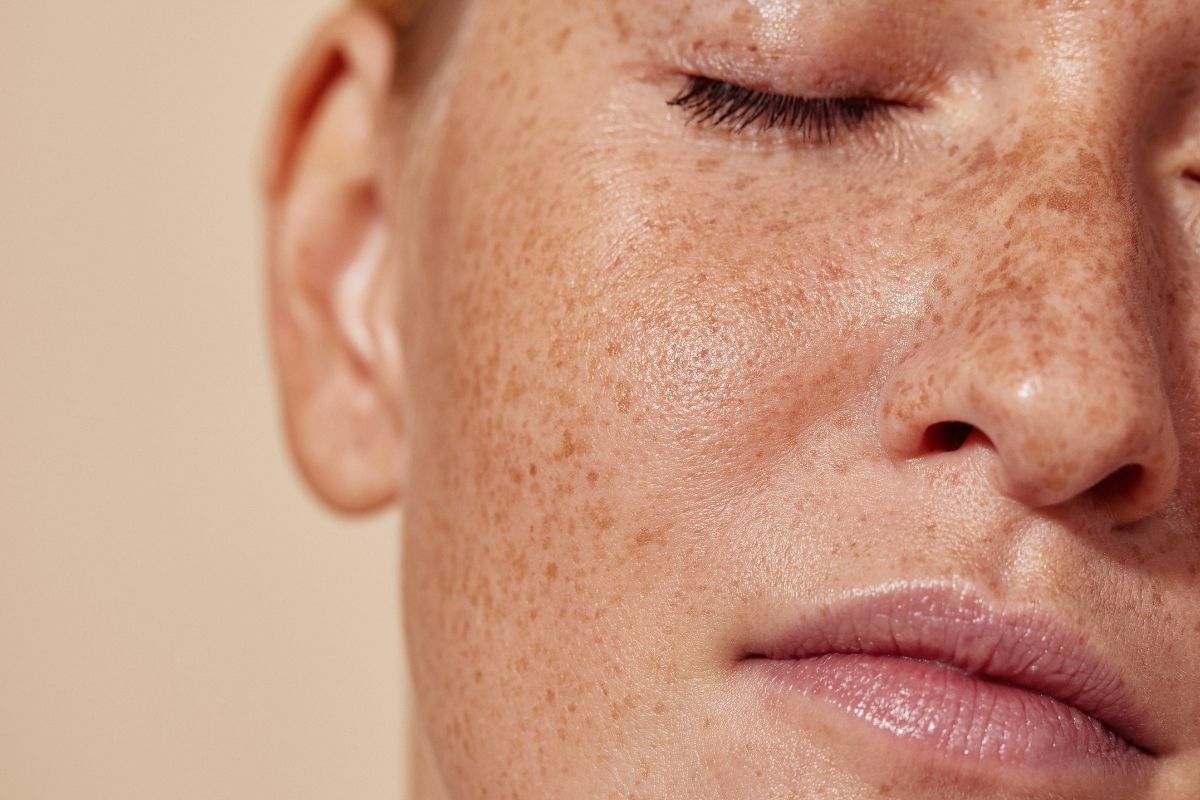
GSH has become one of the most talked-about nutrients in skin health research. While it is best known for its role as one of the body's most important intracellular antioxidants, researchers have also explored how it may influence skin tone and pigmentation.
Healthy skin is constantly exposed to oxidative stress from factors such as UV radiation, pollution and normal ageing. Over time, this can contribute to visible changes in skin appearance, including uneven pigmentation. By helping to protect skin cells from oxidative damage, GSH forms part of the body's natural defence system that supports healthy-looking skin.17
Researchers have also investigated glutathione's role in melanin production. Melanin, the pigment responsible for skin colour, is produced by specialised cells called melanocytes through the action of an enzyme known as tyrosinase. Laboratory studies suggest that GSH may help reduce tyrosinase activity while encouraging the production of relatively more pheomelanin, the lighter form of melanin, compared with eumelanin, the darker pigment.16 These mechanisms are thought to contribute to a brighter and more even-looking complexion over time.
Rather than acting as a dramatic skin-lightening treatment, the current evidence suggests GSH may support brighter, more even-looking skin as part of its broader role in protecting cells from oxidative stress.16,17
What the research says
A 2025 systematic review pooling data from several randomised controlled trials found that both oral GSH, generally around 500mg per day, and topical formulations were associated with a measurable brightening effect on sun-exposed skin, with combined oral and topical use showing the most consistent results.16
Newer laboratory research has also examined related sulphur-containing compounds, including GSH trisulphide, for their effects on melanin production within skin cells, adding further detail to the mechanisms involved.18
It's worth noting that this area of research is still developing, so while GSH shouldn't be expected to work as a dramatic or uniform skin-lightening treatment, evidence so far does support a role for GSH alongside broader skin and cellular health in skin tone and appearance over time.17,19
 Can You Get Enough Glutathione From Food?
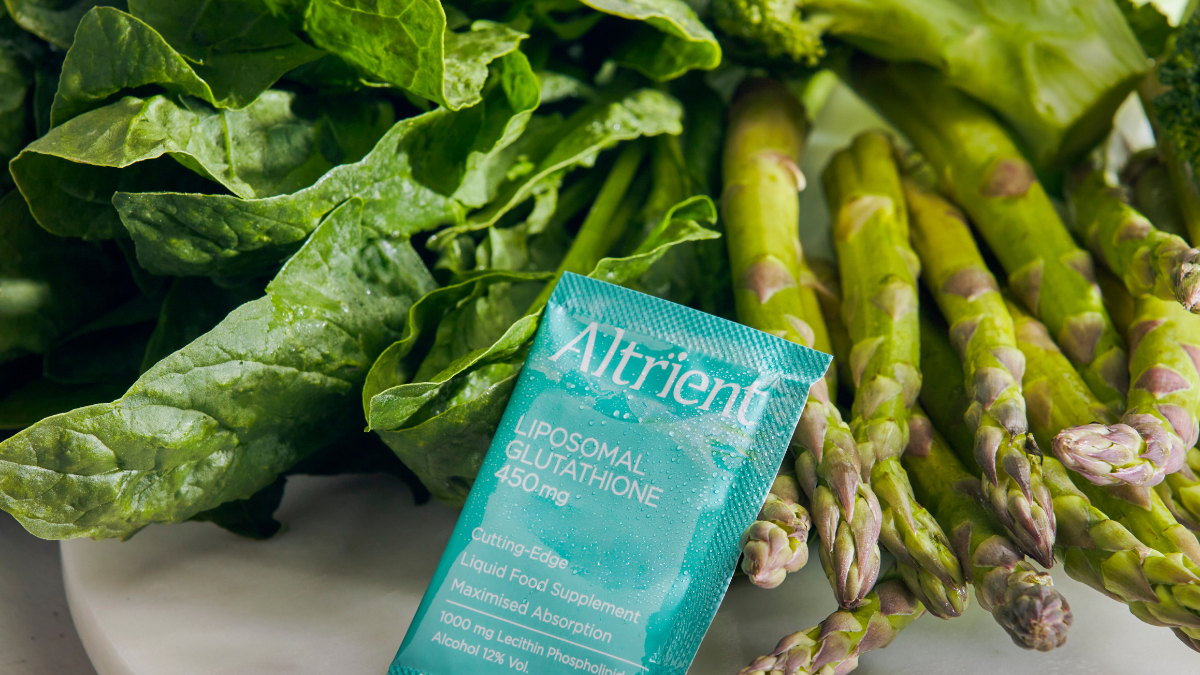
Although the body makes its own GSH, small amounts are also found naturally in certain foods, although absorption from food sources in the human digestive system is limited. Typical intake from food is usually less than 150mg per day.1,10 Natural food sources of glutathione include:
|
Fruit |
Vegetables |
|---|---|
|
Avocado |
Asparagus |
|
Banana |
Broccoli |
|
Grapefruit |
Carrot |
|
Lemon |
Cauliflower |
|
Mango |
Cucumber |
|
Orange |
Green beans |
|
Papaya |
Green and red pepper |
|
Strawberry |
Green and yellow squash |
|
Tomato |
Mushrooms |
|
|
Parsley |
|
|
Potato |
|
|
Spinach |
Source: ncbi.nlm.nih.gov/pmc/articles/PMC6770193
Quick Glutathione Facts
- Regular exercise is associated with higher GSH levels.2
- Alpha-lipoic acid and vitamin C, taken daily, can raise red blood cell levels of GSH.
- The body's GSH defences tend to decline across midlife and later adulthood.1,30
- The widely cultivated Agaricus bisporus mushroom has been shown to contain high levels of GSH.22
- GSH can help regenerate other antioxidant nutrients, including vitamins C and E.
- Sulphur-rich foods such as meat, poultry and fish contain the amino acids the body needs to produce glutathione.
Different Ways to Take Glutathione
GSH supplements are available in several different forms, each with its own advantages and limitations.
Standard oral supplements are typically sold as capsules, tablets or powders. However, GSH is readily broken down during digestion, which can limit the amount that reaches the bloodstream intact.
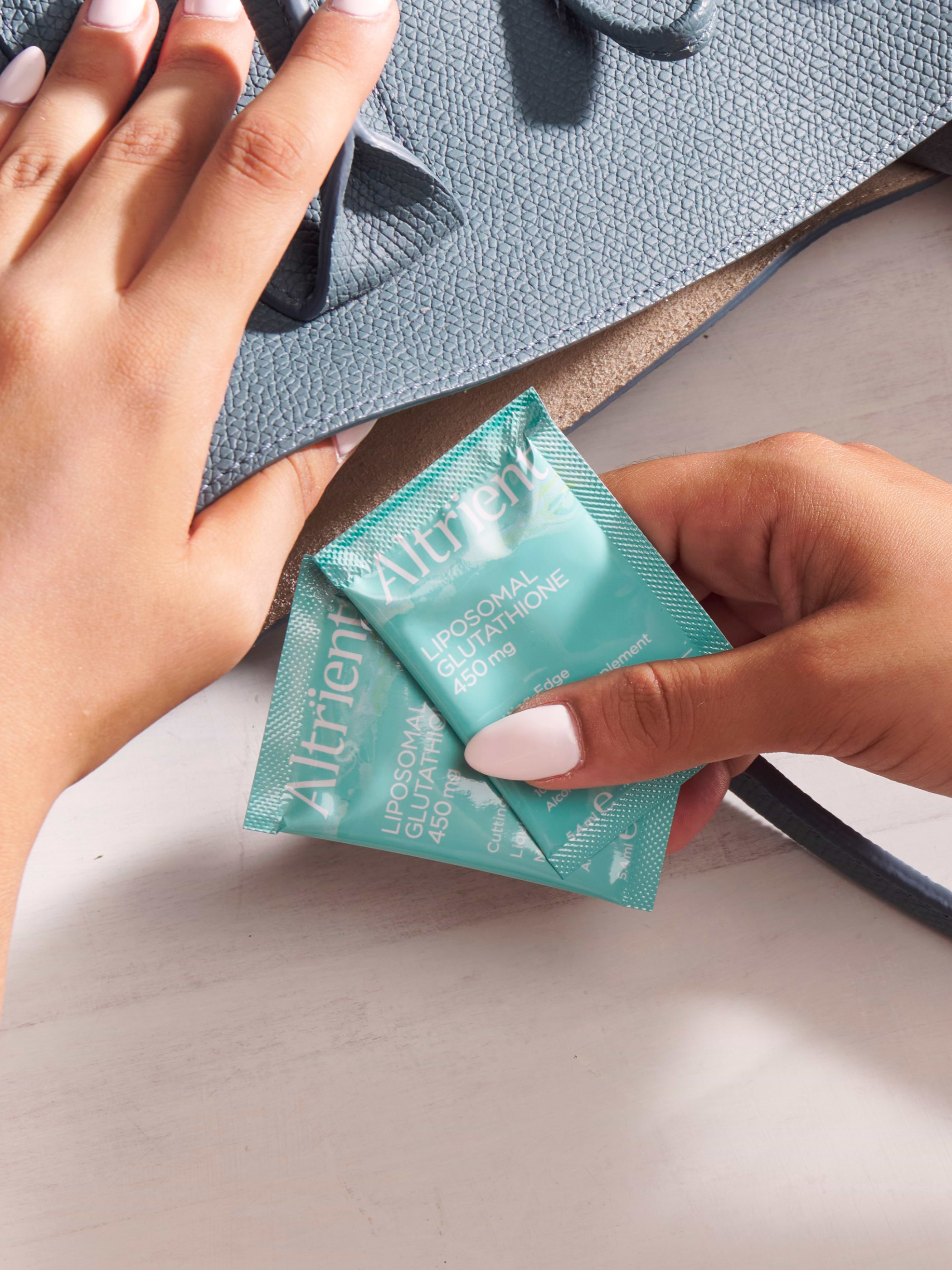
Liposomal glutathione encloses GSH within a protective phospholipid layer, helping shield it during digestion and improving absorption compared with conventional oral preparations. This delivery method has become one of the most widely studied and commonly used forms of GSH supplementation.20,21,27
Intravenous (IV) glutathione delivers GSH directly into the bloodstream under medical supervision. While this route bypasses the digestive system, it is generally reserved for clinical settings and is not intended for routine nutritional supplementation.
Should You Consider a Supplement?
There is no official government guideline for daily GSH intake. Even though the body produces its own supply, maintaining healthy levels can be a challenge given the continual demands of everyday life, which is why interest in supplementation, particularly liposomal and other enhanced-absorption forms, continues to grow.
How Safe is GSH?
GSH is thought to be safe when taken orally, by intravenous injection, and when inhaled, with no known information regarding side effects at typical oral doses. Due to a lack of reliable research, it is not considered safe to take GSH during pregnancy or breastfeeding, and asthma sufferers should avoid GSH as it may worsen some asthma symptoms. Separately, unregulated intravenous use for skin-lightening purposes has raised safety concerns in recent reviews, a useful reminder that oral and IV routes carry different risk profiles and shouldn't be assessed against the same safety bar.19,29
Written by: Jacqueline Newson BSc (Hons) Nutritional Therapy
References
- Minich DM, Brown BI. A Review of Dietary (Phyto)Nutrients for Glutathione Support. Nutrients. 2019;11(9):2073.
- Kerksick C, Willoughby D. The Antioxidant Role of Glutathione and N-Acetyl-Cysteine Supplements and Exercise-Induced Oxidative Stress. Journal of the International Society of Sports Nutrition. 2005;2:38.
- Zhang H, Forman HJ, Choi J. Gamma-glutamyl transpeptidase in glutathione biosynthesis. Methods in Enzymology. 2005;401:468-483.
- Roum JH, Buhl R, McElvaney NG, Borok Z, Crystal RG. Systemic deficiency of glutathione in cystic fibrosis. Journal of Applied Physiology. 1993;75(6):2419-2424.
- Szalay J. What are free radicals? Live Science. Accessed 20.4.20.
- Hamilos DL, Mascali JJ, Zelarney P. Lymphocyte proliferation in glutathione-depleted lymphocytes: direct relationship between glutathione availability and the proliferative response. Immunopharmacology. 1989;18(3):223-235.
- Giustarini D, Milzani A, Dalle-Donne I, Rossi R. How to Increase Cellular Glutathione. Antioxidants (Basel). 2023;12(5):1094.
- Bailey DM, Cobley JN, Fiorello ML. 13 reasons why the brain is susceptible to oxidative stress. Redox Biology. 2018;15:490-503.
- Andrews NP, et al. Glutathione reverses endothelial dysfunction and improves nitric oxide bioavailability. Journal of the American College of Cardiology. 1999;34(2):507-514.
- Kelly FJ. Glutathione: in defence of the lung. Food and Chemical Toxicology. 1999;37(9-10):963-966.
- Kruk J, Kubasik-Kladna K, Aboul-Enein HY. The Role of Oxidative Stress in the Pathogenesis of Eye Diseases. Mini Reviews in Medicinal Chemistry. 2015;16(3):241-257.
- Pizzorno JE, Katzinger JJ. Glutathione: Physiological and Clinical Relevance. Journal of Restorative Medicine. 2012;1(1):24-37.
- Vogt BL, Richie JP Jr. Glutathione depletion and recovery after acute ethanol administration in the aging mouse. Biochemical Pharmacology. 2007;73(10):1613-1621.
- Ballatori N, Hammond CL, Lee TK. Novel roles for glutathione in gene expression, cell death, and membrane transport of organic solutes. Journal of Hepatology. 2001;34:946-954.
- Moossavi S, Besharat S, Sharafkhah M, et al. Inverse Association of Plasma Level of Glutathione Peroxidase with Liver Fibrosis in Chronic Hepatitis B. Middle East Journal of Digestive Diseases. 2016;8(2):122-130.
- Sarkar R, Yadav V, Yadav T, P J, Mandal I. Glutathione as a skin-lightening agent and in melasma: a systematic review. International Journal of Dermatology. 2025;64:992-1004.
- Gupta S. Glutathione in dermatology: A bright future or fading hype? CosmoDerma. 2025;5:51.
- Uchida Y, Sato T. Glutathione trisulphide improves skin brightness with anti-melanogenesis effects and maintains intracellular persulphide levels. Cosmetics. 2025;12(5):234.
- Alzahrani TF, et al. Exploring the Safety and Efficacy of Glutathione Supplementation for Skin Lightening: A Narrative Review. Cureus. 2025;17(1):e78045.
- Calcagnotto A, et al. Oral supplementation with liposomal glutathione elevates body stores of glutathione and markers of immune function. European Journal of Clinical Nutrition. 2018;72(1):105-111.
- Solnier J, et al. A Targeted Metabolomic Assessment of Oral Glutathione Bioavailability and Safety in Humans: A Randomized Crossover Clinical Trial. Antioxidants. 2026;15(3):354.
- Mohamed EM. Chemical profile, agaritine and selenium content of Agaricus bisporus. Brazilian Archives of Biology and Technology. 2012;55(6):911-920.
- Akbarzadeh A, et al. Liposome: classification, preparation, and applications. Nanoscale Research Letters. 2013;8:102.
- Suntres ZE. Liposomal Antioxidants for Protection against Oxidant-Induced Damage. Journal of Toxicology. 2011;152474:1-16.
- Saraf AS. Applications of novel drug delivery system for herbal formulations. Fitoterapia. 2010;81:680-689.
- Garcia-Gimenez JL, Pallardo FV. Maintenance of glutathione levels and its importance in epigenetic regulation. Frontiers in Pharmacology. 2014;5:88.
- Richie JP Jr, Nichenametla S, Neidig W, et al. Randomized controlled trial of oral glutathione supplementation on body stores of glutathione. European Journal of Nutrition. 2015;54(2):251-263.
- Di Giacomo C, Malfa GA, Tomasello B, Bianchi S, Acquaviva R. Natural compounds and glutathione: Beyond mere antioxidants. Antioxidants. 2023;12:1445.
- Natural Medicine Journal. Glutathione. naturalmedicinejournal.com. Accessed 16.4.20.
- Detcheverry F, Senthil S, Narayanan S, Badhwar A. Changes in levels of the antioxidant glutathione in brain and blood across the age span of healthy adults: A systematic review. NeuroImage: Clinical. 2023;40:103503.
Read more
When people think about healthy skin, they often focus on what they apply to it. Cleansers, serums and moisturisers all have their place, but the condition of your skin is also influenced by what i...
Summer can affect your gut health in more ways than you might realise. By the time August arrives, many people notice their digestion feels a little different. Meals that normally agree with them s...