


How to Support Your Body Through Diet, Lifestyle and Nutrition
According to the World Health Organisation, over 2.5 billion adults are overweight, including 890 million who are obese.¹ Without rapid policy action, this could rise to 3.8 billion by 2050, leading to serious health issues and high healthcare costs.² Diets high in calories, fat, sugar, and salt, alongside low nutrient intake, are a major factor, highlighting the need for better nutrition, less processed food, and more physical activity. For some individuals, the struggle with persistent hunger and cravings makes lifestyle changes alone insufficient for meaningful weight loss. GLP-1 anti-obesity medications can provide valuable therapeutic support in such cases, but their effectiveness depends on being integrated into a long-term, holistic healthcare plan.
What Are Weight Loss Injections and How Do They Work?
Medications such as Ozempic® and Mounjaro® have gained significant popularity in recent years. Originally developed for managing blood sugar in type 2 diabetes, these injections are now also prescribed for weight management. They work by mimicking natural gut hormones, helping to reduce appetite and enhance feelings of fullness.
Research shows that GLP-1 medications can be highly effective for weight loss, with studies reporting an average loss of 15–17 kg over one year for a person weighing 100 kg.3 But studies also suggest that side effects are common, particularly digestive issues such as nausea, diarrhoea, or constipation and many people regain weight when they stop treatment. Additionally, although rare, there is also the risk of developing acute pancreatitis, gallstones, kidney injury and thyroid tumours. This can be worrying, especially if you don’t enlist the help of a qualified health practitioner.
Coming Off Of GLP-1 Medications
Clinical studies have shown that most people experience rapid weight regain after stopping weight loss injections.4,5 What’s more, some of the cardiometabolic risk factors, such as blood sugar control, high blood pressure and inflammation, also return to pre-treatment levels. Without continued attention to healthy eating, exercise, and self-care once treatment ends, weight can easily creep back on, highlighting the importance of maintaining healthy habits for lasting results.
Keeping the Weight Off and Staying Healthy
If you are considering stopping GLP-1 medication, or if you’ve already done so, it’s important to remember that you are not starting from scratch. You just need to build on your existing achievements by making appropriate diet and lifestyle changes.
To ensure a smooth transition off of GLP-1 medication, you need to tackle three important areas: balancing blood sugar and energy levels, supporting gut health and rebuilding muscle mass. A healthy diet combined with regular physical activity forms the foundation for lasting success. The following practices can help you sustain weight loss, support mental well-being, and lower your risk of chronic disease over the long term:
Prioritise Protein
Protein helps you feel fuller for longer and supports the maintenance of muscle mass. Lean muscle is important because it helps you to burn calories even when you are resting. Aim to include protein at every meal, from sources such as beans, lentils, fish, eggs, poultry, tofu, or dairy. Research shows that between 40% and 60% of total weight lost on GLP-1 medication may come from lean body mass,6,7 emphasising the need for adequate protein in your diet.
Strength Training
Gentle strength training can help build and strengthen your muscles and keep your metabolism active. This could include free weights, resistance band exercises, bodyweight exercises, or Pilates. Exercising major muscle groups just twice a week can really make a difference.8
Increase Fibre
Fibre is the number one source of food for the beneficial bacteria in your gut and can help you to feel fuller for longer. A diverse, fibre-rich gut microbiome helps you to extract energy efficiently, regulate appetite, reduce inflammation, and burn fat. Good sources of fibre include: vegetables, fruits, legumes, seeds, nuts and wholegrains. Interestingly, fibre from rye-based products has been shown to increase Agathobacter, UCG-003, a type of healthy bacteria that can benefit weight loss.9
Mindful Eating and Routine
When appetite-suppressing medication is stopped, cravings can kick in again and hunger signals may feel overpowering. Setting regular meal times, chewing your food slowly, eating without the distractions of electronic devices and choosing balanced meals can help you tune into your natural cues without feeling out of control.
Supplements to Support Recovery
Making healthy food choices should be a priority, but targeted supplements can help fill nutritional gaps and support energy production and blood sugar balance as you settle into your new routine. Our top picks include:
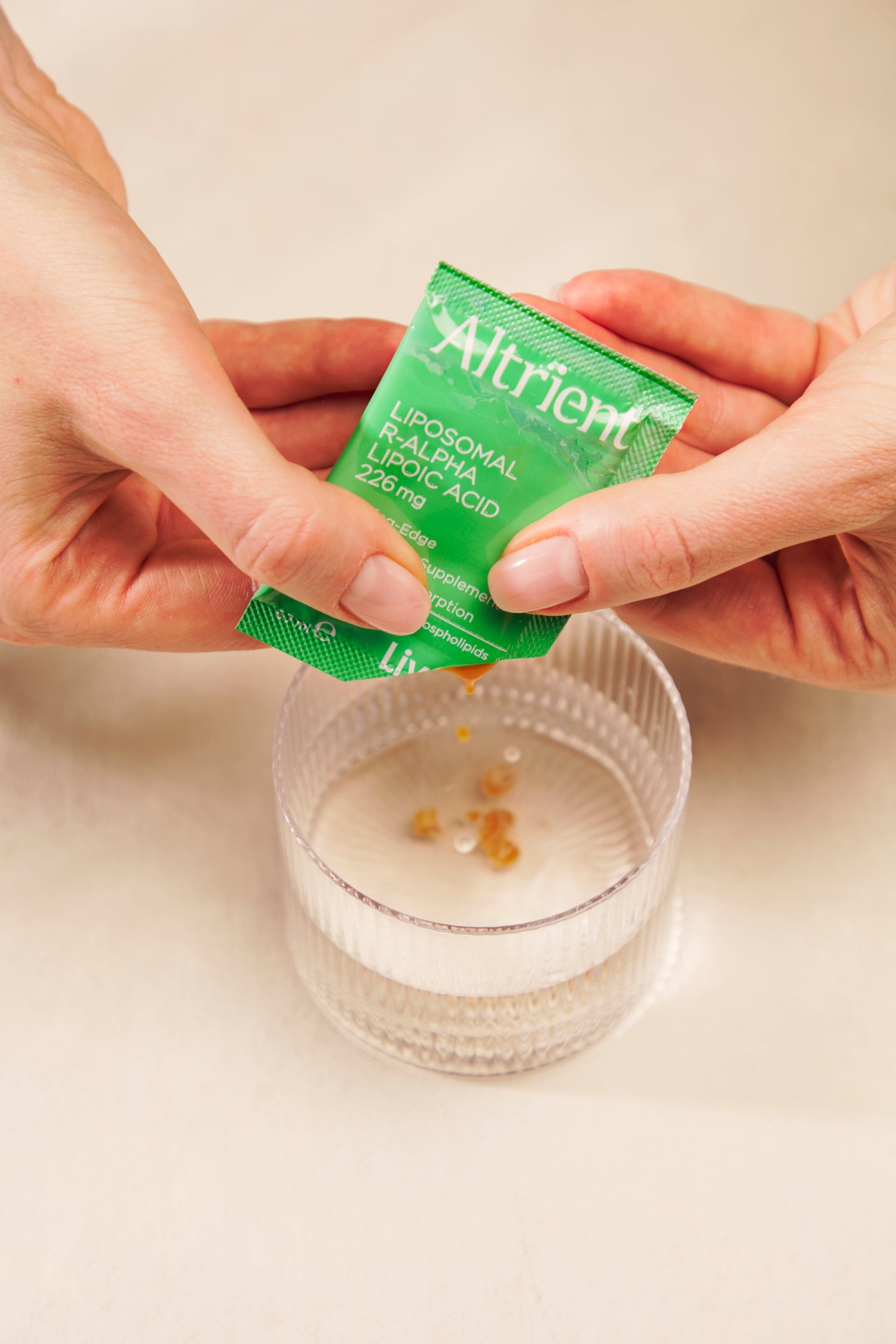
Altrient Alpha Lipoic Acid (ALA)
ALA is a naturally occurring antioxidant that plays a role in energy metabolism and glucose processing. It supports the body’s ability to manage blood sugar and insulin activity, while also contributing to the body’s natural defence mechanisms. These functions can complement a balanced diet and active lifestyle, making ALA a popular component in nutritional approaches related to weight management
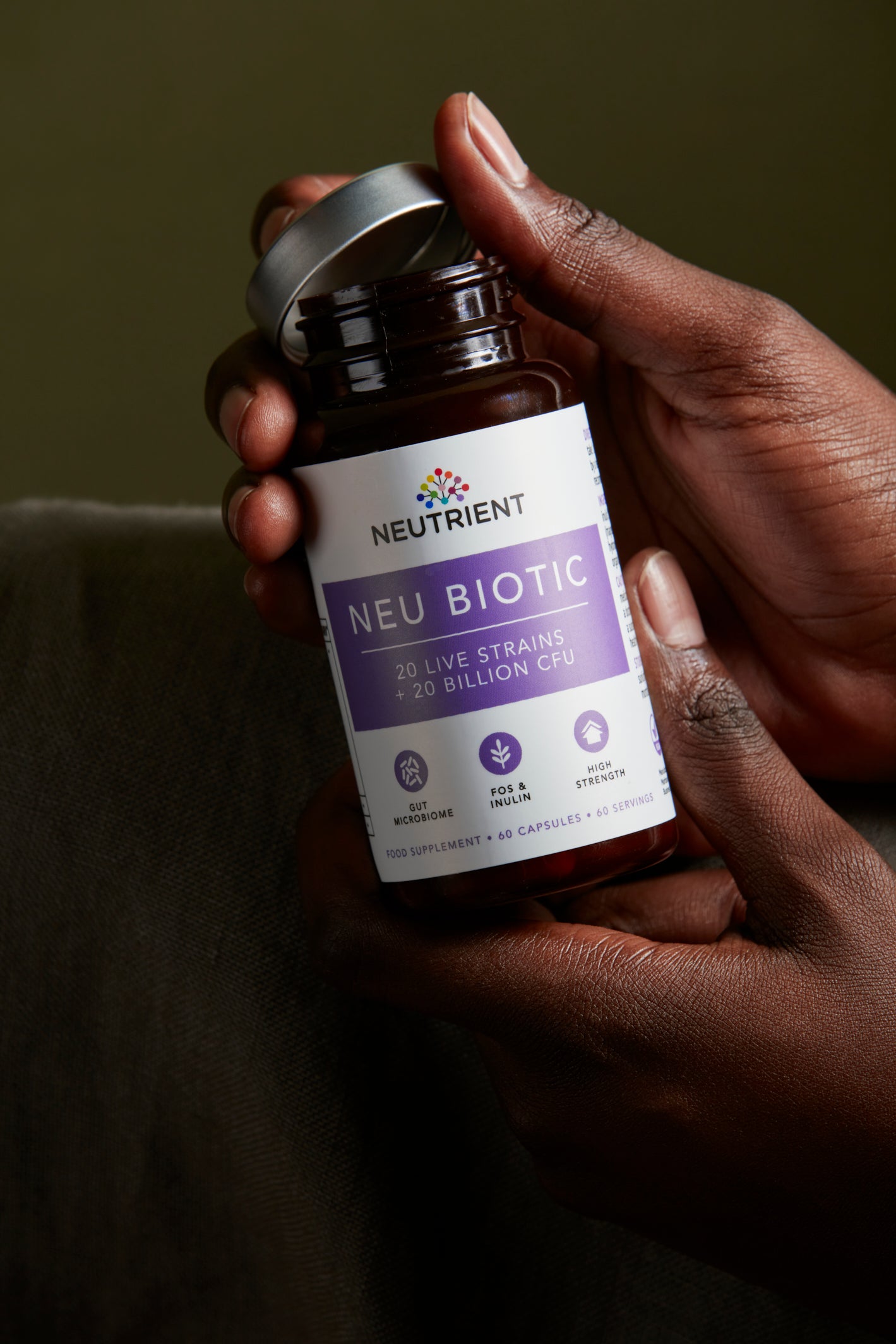
Neutrient Neu Biotic
Research has explored how synbiotics (combinations of probiotics and prebiotics) may influence body composition, with some studies reporting favourable changes in measures such as body fat and waist circumference.10,11 Synbiotics work by supporting a balanced gut microbiome, which may impact how the body processes nutrients. Neu Biotic is a high-strength multi-strain probiotic formula with added prebiotics FOS and inulin to provide food for beneficial bacteria.
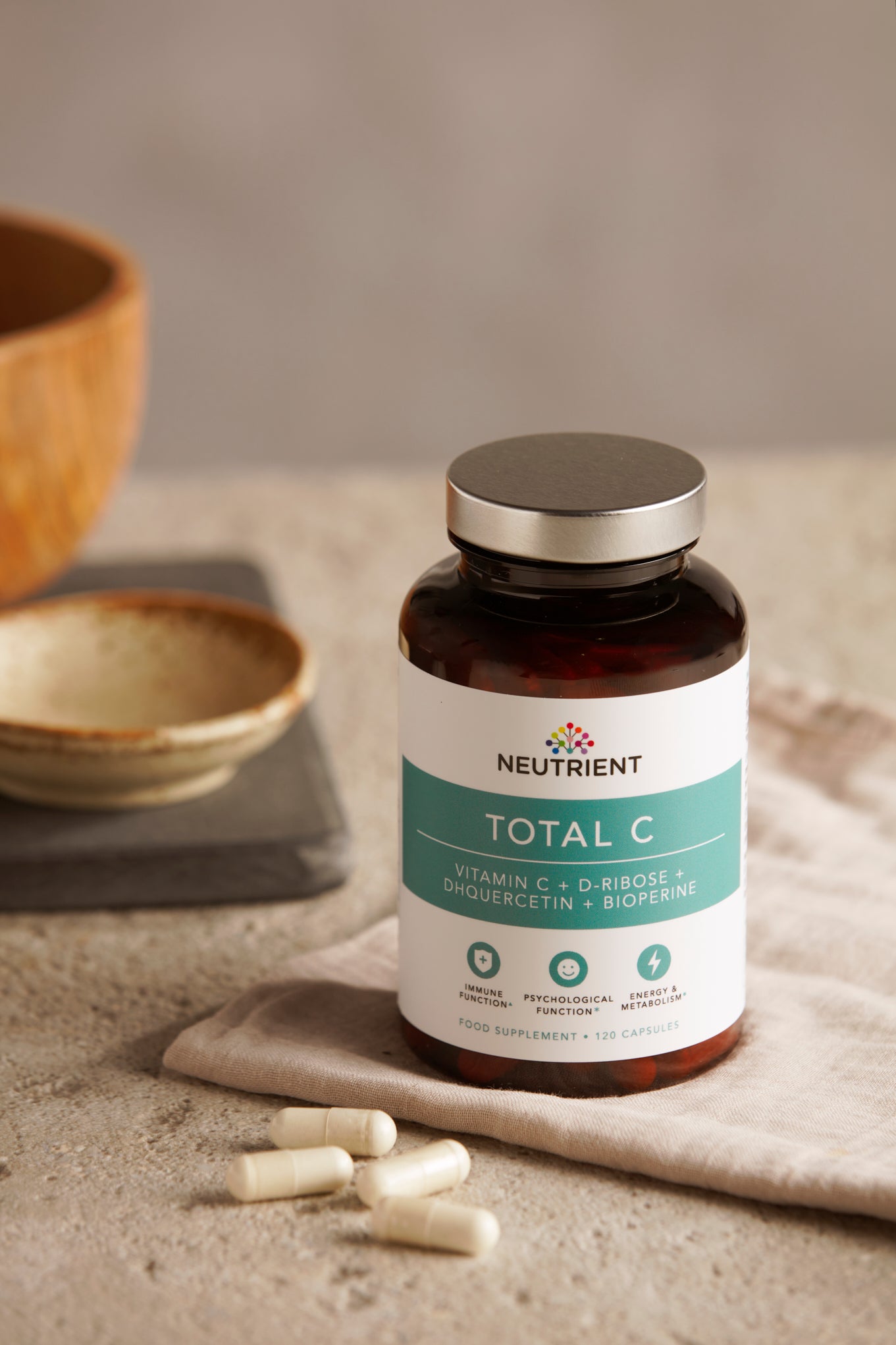
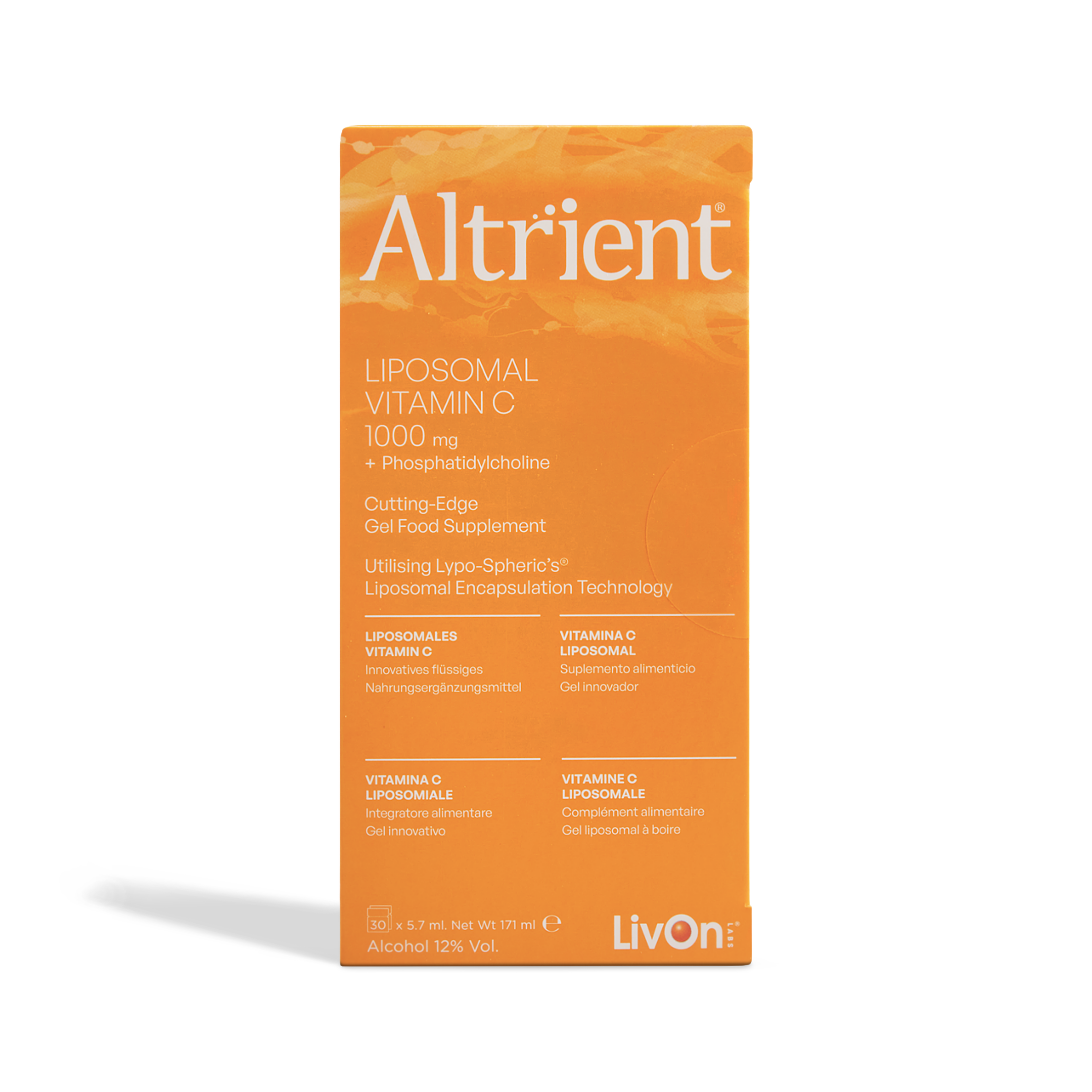
Neutrient Total C
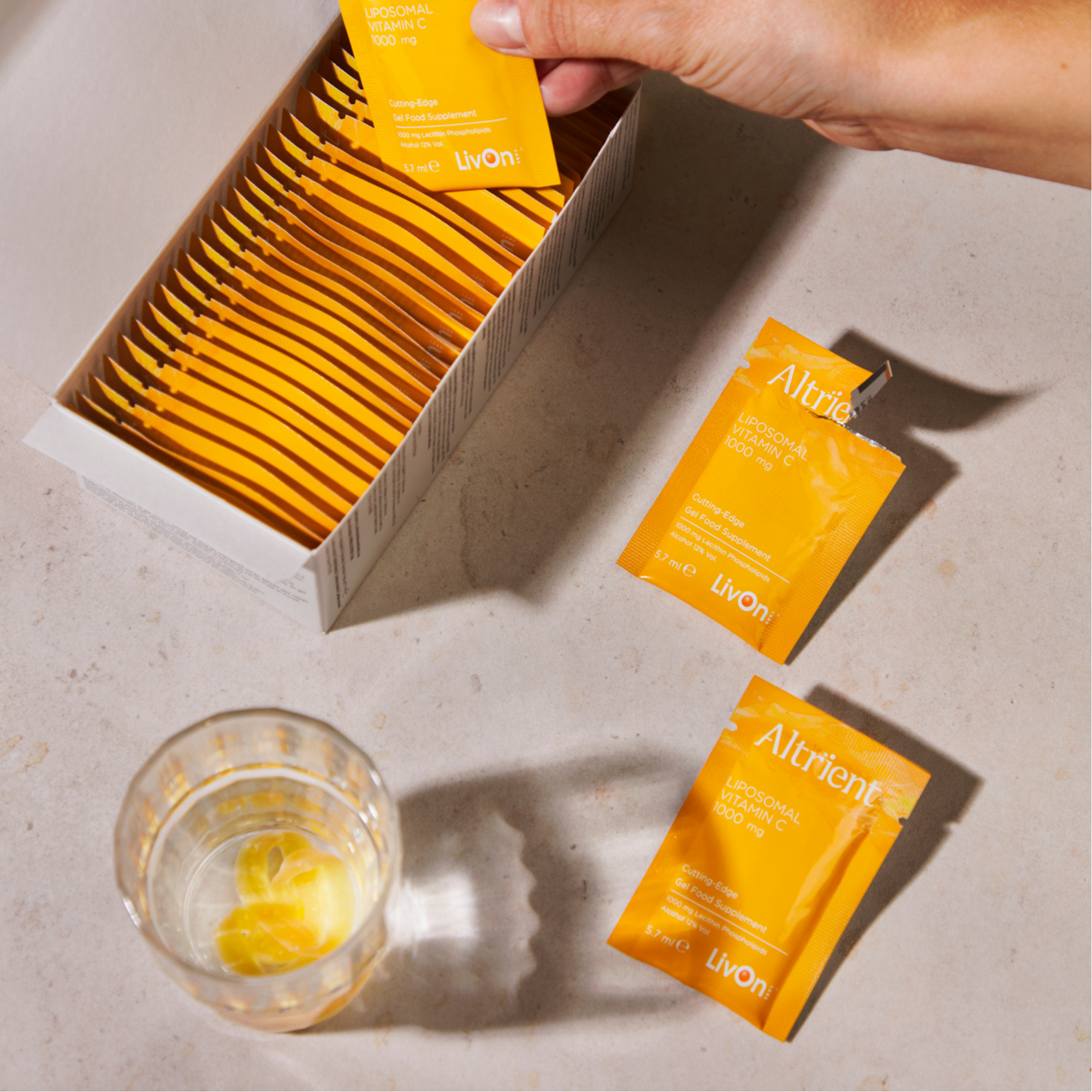
Many people complain of sagging, wrinkled skin and a gaunt expression after using GLP-1 injections. By supporting collagen production, vitamin C may help maintain skin structure and elasticity, which can be beneficial following weight loss when the skin is adjusting to changes in body composition.
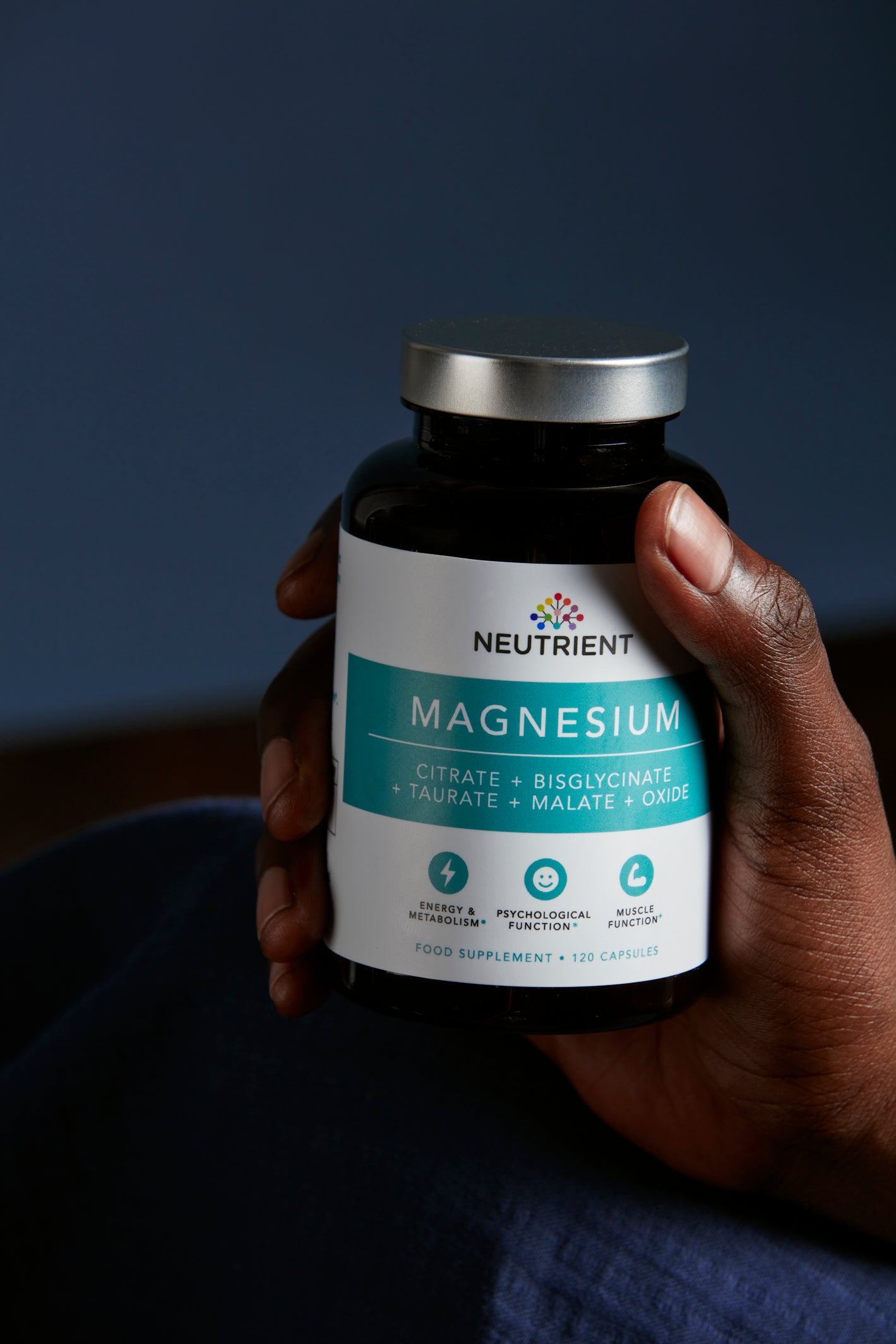
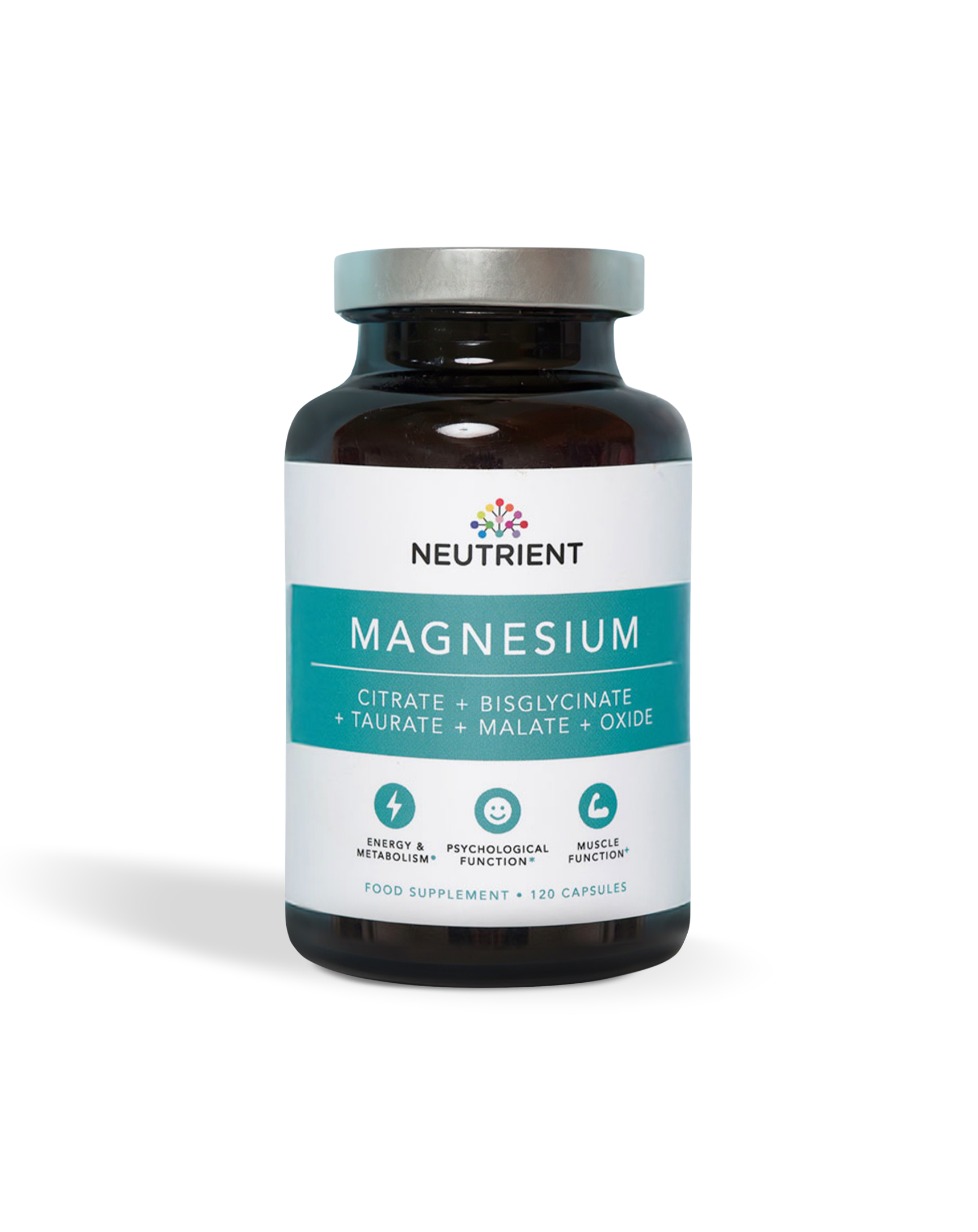
Neutrient Magnesium
Rapid weight loss following the use of GLP-1 medication can result in the loss of lean muscle mass, especially if dietary protein is low and exercise is limited. Magnesium contributes to normal muscle function and protein synthesis, which can be particularly useful for supporting the body’s natural recovery and maintenance of muscle tissue following weight loss.
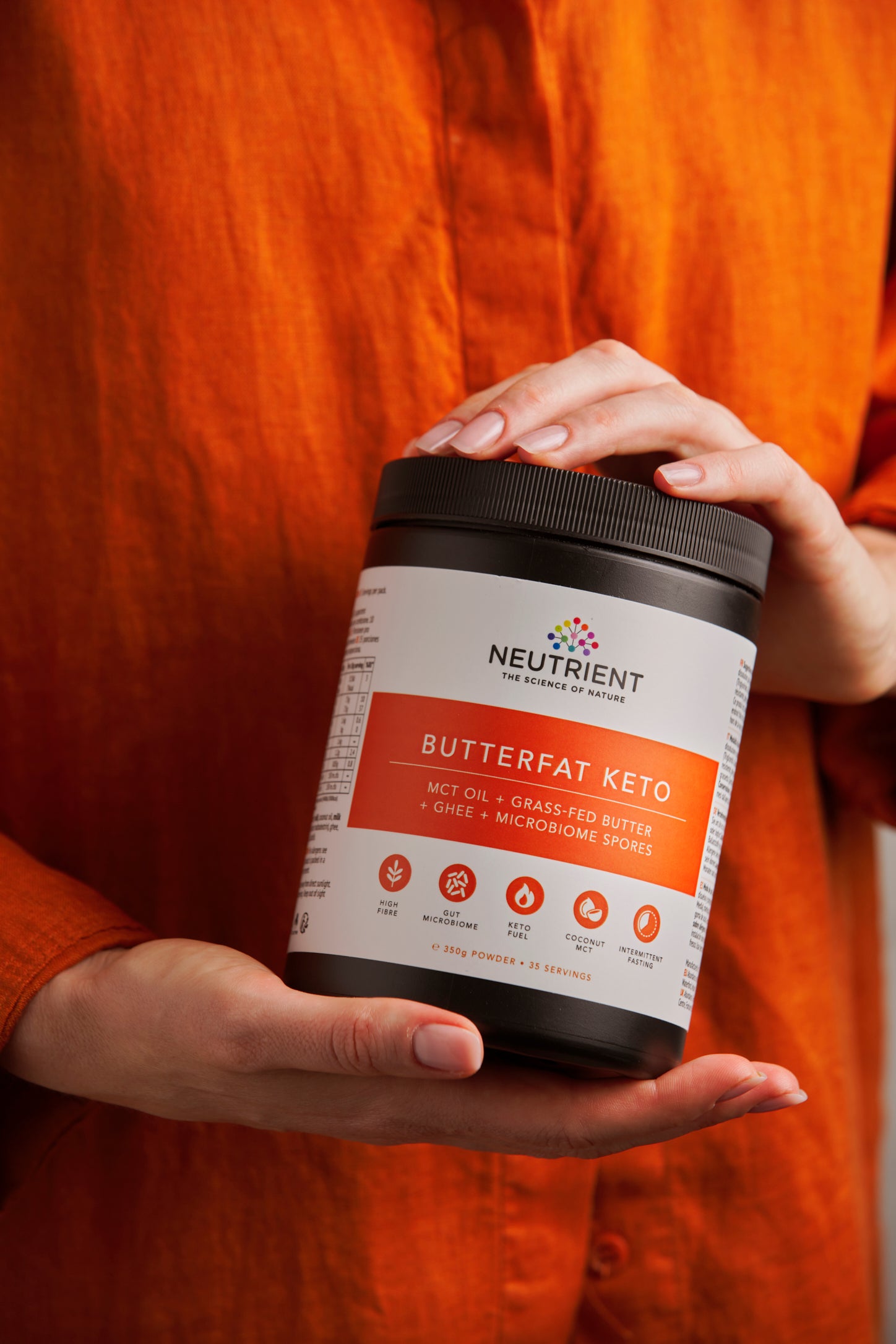
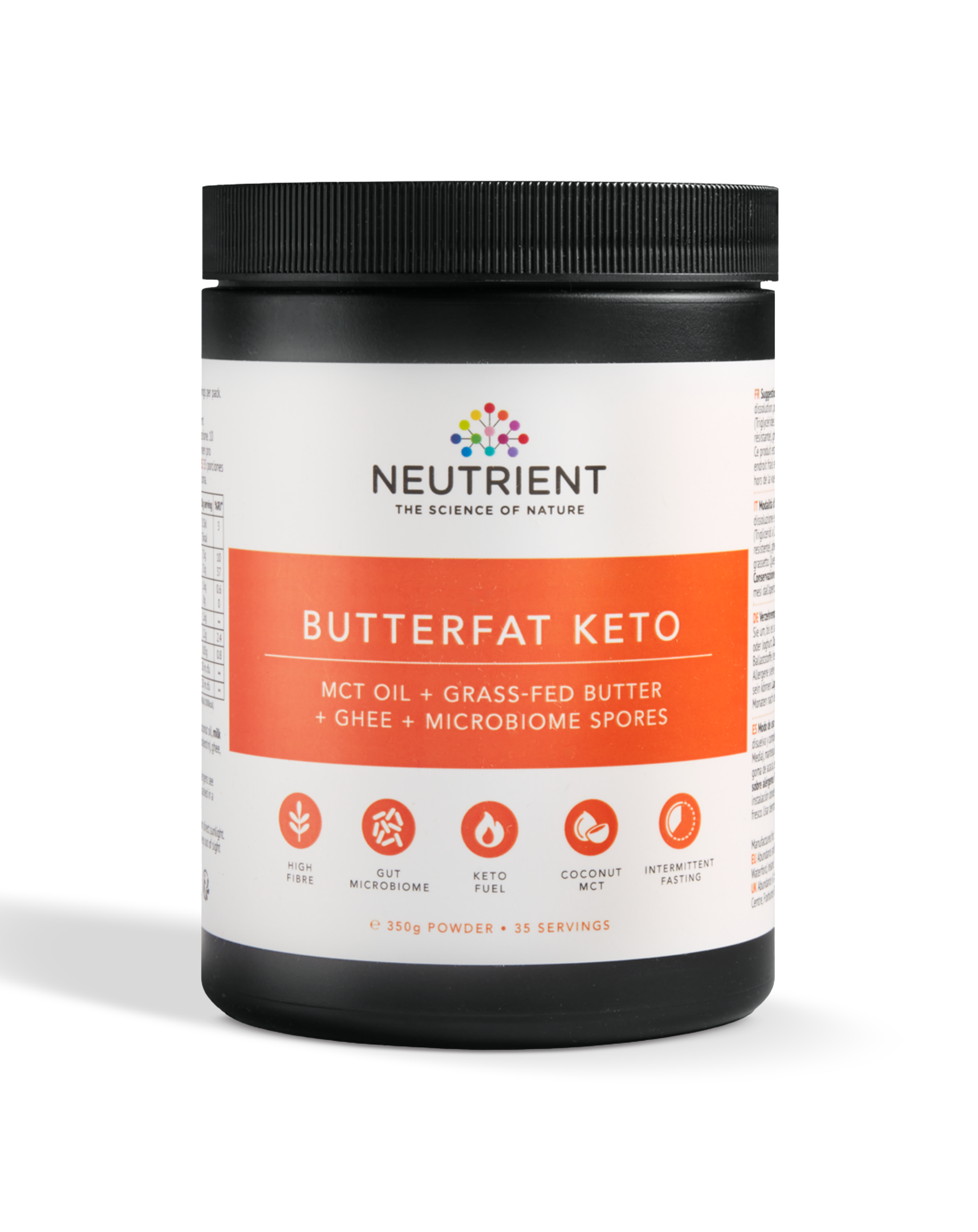
Neutrient ButterFat Keto
This unique blend of MCTs, ghee, coconut oil, and probiotics naturally supports weight management. Healthy fats like MCTs, ghee, and coconut oil help you feel fuller for longer, while MCTs provide a quick source of energy that may curb hunger when calorie intake is reduced. Including these fats in a balanced diet can support steady energy and make the transition away from weight loss injections easier.
With the right diet, lifestyle strategies, and guidance from a qualified health practitioner, it will be easier to protect and maintain the health improvements you’ve earned.
Written by Jacqueline Newson BSc (Hons) Nutritional Therapy
Edited by Alejandra Toro MSc Nutrition and Behaviour
References
1. WHO. Obesity and overweight. https://www.who.int/news-room/fact-sheets/detail/obesity-and-overweight?
2. IHME. The Lancet: More than half of adults and a third of children and adolescents predicted to have overweight or obesity by 2050. https://www.healthdata.org/news-events/newsroom/news-releases/lancet-more-half-adults-and-third-children-and-adolescents. 2
3. John P.H. Wilding, D.M., Rachel L. Batterham, M.B., B.S., Ph.D., Salvatore Calanna, Ph.D. et al. Once-Weekly Semaglutide in Adults with Overweight or Obesity. New England Journal of Medicine 2021; 384,11:989-1002.
4. Wilding JPH, Batterham RL, Davies M, Van Gaal LF, Kandler K, Konakli K, Lingvay I, McGowan BM, Oral TK, Rosenstock J, Wadden TA, Wharton S, Yokote K, Kushner RF; STEP 1 Study Group. Weight regain and cardiometabolic effects after withdrawal of semaglutide: The STEP 1 trial extension. Diabetes Obes Metab. 2022 Aug;24(8):1553-1564. doi: 10.1111/dom.14725. Epub 2022 May 19. PMID: 35441470; PMCID: PMC9542252.
5. Quarenghi M, Capelli S, Galligani G, Giana A, Preatoni G, Turri Quarenghi R. Weight Regain After Liraglutide, Semaglutide or Tirzepatide Interruption: A Narrative Review of Randomized Studies. Journal of Clinical Medicine. 2025; 14(11):3791. https://doi.org/10.3390/jcm14113791.
6. Bikou A, Dermiki-Gkana F, Penteris M, Constantinides TK, Kontogiorgis C. A systematic review of the effect of semaglutide on lean mass: insights from clinical trials. Expert Opin Pharmacother. 2024 Apr;25(5):611-619. doi: 10.1080/14656566.2024.2343092. Epub 2024 Apr 18. PMID: 38629387.
7. Neeland IJ, Linge J, Birkenfeld AL. Changes in lean body mass with glucagon-like peptide-1-based therapies and mitigation strategies. Diabetes Obes Metab. 2024 Sep;26 Suppl 4:16-27. doi: 10.1111/dom.15728. Epub 2024 Jun 27. PMID: 38937282.
8. Schoenfeld BJ, Ogborn D, Krieger JW. Effects of Resistance Training Frequency on Measures of Muscle Hypertrophy: A Systematic Review and Meta-Analysis. Sports Med. 2016 Nov;46(11):1689-1697. doi: 10.1007/s40279-016-0543-8. PMID: 27102172.
9. Iversen KN, Dicksved J, Zoki C, Fristedt R, Pelve EA, Langton M, Landberg R. The Effects of High Fiber Rye, Compared to Refined Wheat, on Gut Microbiota Composition, Plasma Short Chain Fatty Acids, and Implications for Weight Loss and Metabolic Risk Factors (the RyeWeight Study). Nutrients. 2022; 14(8):1669. https://doi.org/10.3390/nu14081669.
10. Laue C, Papazova E, Pannenbeckers A, Schrezenmeir J. Effect of a Probiotic and a Synbiotic on Body Fat Mass, Body Weight and Traits of Metabolic Syndrome in Individuals with Abdominal Overweight: A Human, Double-Blind, Randomised, Controlled Clinical Study. Nutrients. 2023; 15(13):3039. https://doi.org/10.3390/nu15133039.
11. Oraphruek P, Chusak C, Ngamukote S, Sawaswong V, Chanchaem P, Payungporn S, Suantawee T, Adisakwattana S. Effect of a Multispecies Synbiotic Supplementation on Body Composition, Antioxidant Status, and Gut Microbiomes in Overweight and Obese Subjects: A Randomized, Double-Blind, Placebo-Controlled Study. Nutrients. 2023 Apr 13;15(8):1863. doi: 10.3390/nu15081863. PMID: 37111082; PMCID: PMC10141052.
Read more
Summer is one of the most liberating seasons, a time to really let your hair down and enjoy the sunshine. From weekend getaways and outdoor concerts to full-blown music festivals, it's hard to resi...

Blood sugar fluctuations are more common than most people realise and they can affect energy, mood, sleep, and even long-term health. While we often associate blood sugar issues with diabetes, subt...