




What Marathon Runners Should Actually Be Thinking About Before Race Day
As marathon season approaches, most runners focus on the visible parts of preparation: long runs, carbohydrate loading, gels, and pacing strategy. These things matter, but they are only part of the picture. Runners who arrive at the start line in the best shape are usually those who have supported their bodies consistently across the full training programme.
That means paying attention not just to training sessions, but to the foundations that support them: sleep, recovery, lifestyle habits, and ensuring key nutritional needs are being met. Vitamin D, for instance, is a nutrient that active people often overlook.
 The Vitamin D Gap Runners Often Miss
In 2026, a study examining vitamin D levels in athletes found that 64.8% were either insufficient or deficient, and that lower vitamin D levels were associated with a higher risk of injury. For every 5 ng/ml decrease in vitamin D level, the odds of sustaining a musculoskeletal injury increased by 13%.¹
That does not mean vitamin D prevents injuries. But the findings do highlight that low vitamin D status is common among active people, and that nutritional foundations are worth paying attention to throughout training, not just in the final week before a race.¹
For a marathon runner managing weeks of high mileage and cumulative fatigue, that is not a statistic to ignore. Vitamin D contributes to normal calcium absorption for bone health, and normal muscle and immune function, making it one of the more practical nutrients to consider during a demanding training period.² ³
For UK-based runners, there is a particular challenge worth noting. During autumn and winter training months, sunlight is often too limited to support meaningful vitamin D synthesis. This is exacerbated by indoor training, office-based routines, and shorter daylight hours.⁴ This combination leaves many runners at increased risk of suboptimal vitamin D levels during key training periods, with potential knock-on effects for recovery, injury risk and performance.
 Other Nutrients Worth Considering During Marathon Training
Marathon runners tend to think first about carbohydrate intake, which is important for endurance fuelling. But other nutrients also play supporting roles during a sustained training cycle. The following are among the most commonly discussed.
B Vitamins: For Energy and Stamina
Carbohydrates are the fuel, but B vitamins are part of the pathways the body uses to convert that fuel into usable energy. When intake is low, energy production can suffer, leaving you feeling flat and fatigued even when your training load has not changed. B12 and folate also contribute to normal red blood cell production, which matters a great deal for endurance performance.⁵
Vitamin C: For Collagen Formation and Immune Support
Vitamin C contributes to normal collagen formation and normal immune function, two bodily processes that matter throughout demanding training phases. Research has also explored whether vitamin C taken before exercise may influence markers linked to collagen synthesis in connective tissue.²
Magnesium: For Muscle Function and Electrolyte Balance
Runners lose magnesium through sweat, and many people fall short of the recommended intake through diet alone. Magnesium contributes to normal muscle function, energy metabolism, and electrolyte balance, all of which are relevant during periods of high training load. Research suggests that magnesium supplementation may be associated with improvements in physical performance, most notably among those who fall short through diet, making it one of the more commonly recommended nutrients to review.⁷
Collagen: Relevant as the Miles Add Up
Tendons and ligaments adapt more slowly to training load than muscle, which is exactly why overuse injuries, from Achilles problems to plantar fasciitis, are so common in marathon runners. Hydrolysed collagen is often paired with vitamin C, which contributes to normal collagen formation. Research into this combination in the context of exercise is ongoing and encouraging.⁶ For those building mileage week on week, it is a pairing worth being aware of.
Curcumin: A Traditional Herb for Training Days
Marathon training places repeated stress on muscles and joints, particularly during higher-mileage phases. Turmeric is a culinary spice with a long history of use in Ayurvedic tradition, where it has been valued as part of everyday diet and wellbeing practices. It contains curcumin as its key active compound and can be easily incorporated into the diet as part of a varied, balanced approach to training support.
Creatine: One of the Most Researched Ingredients in Sports Nutrition
Creatine is not just for the gym. Marathon training involves plenty of high-intensity effort: interval sessions, hill reps, tempo runs, and strength work to stay injury-resilient. Creatine has a well-established evidence base and is widely recognised for its role in short-term, high-intensity exercise performance.⁸
 The Abundance + Health Marathon Training Stack
A curated selection of supplements worth considering as your mileage builds.
- Neutrient Vitamin D3 + K2 — combines two important micronutrients in a single, convenient daily formula
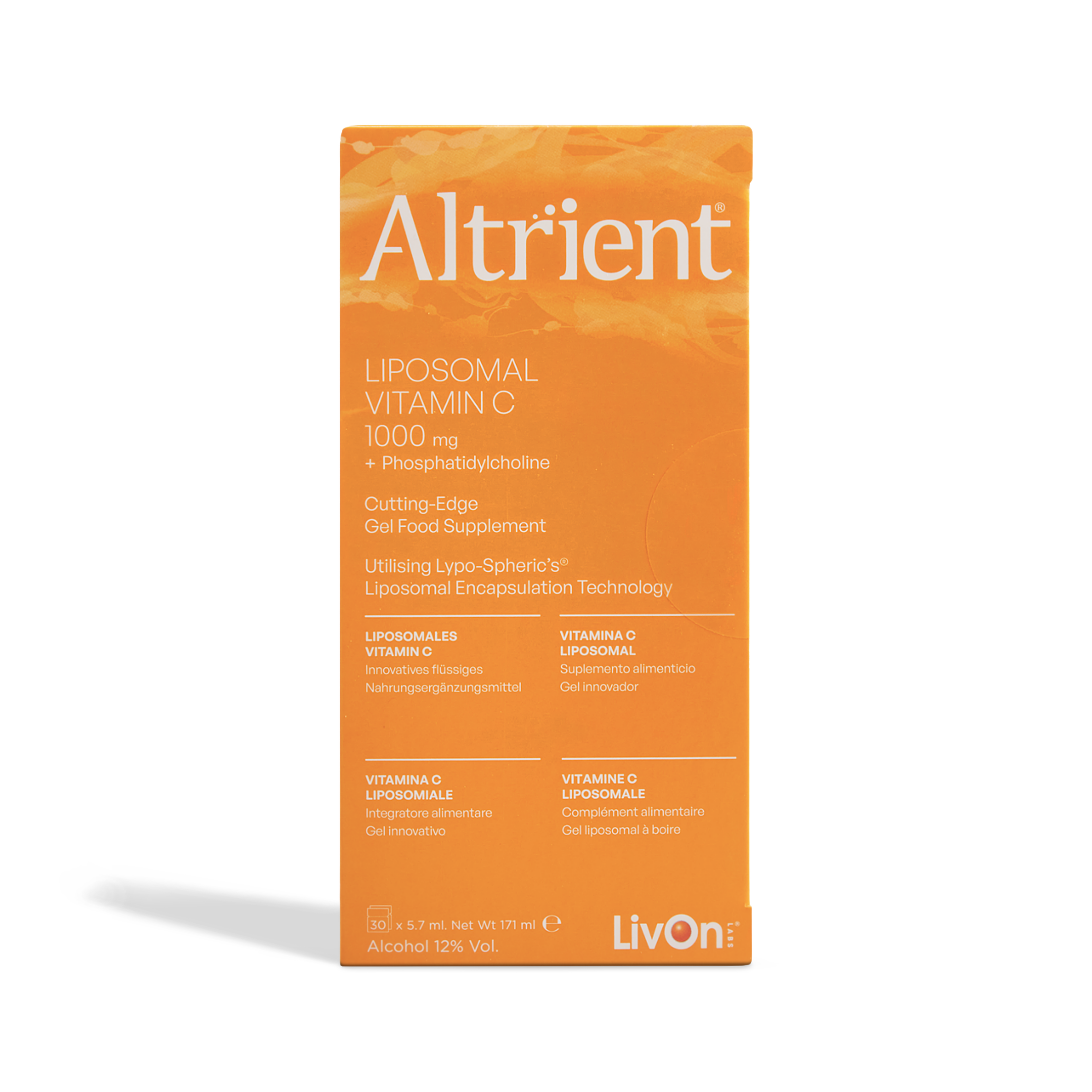
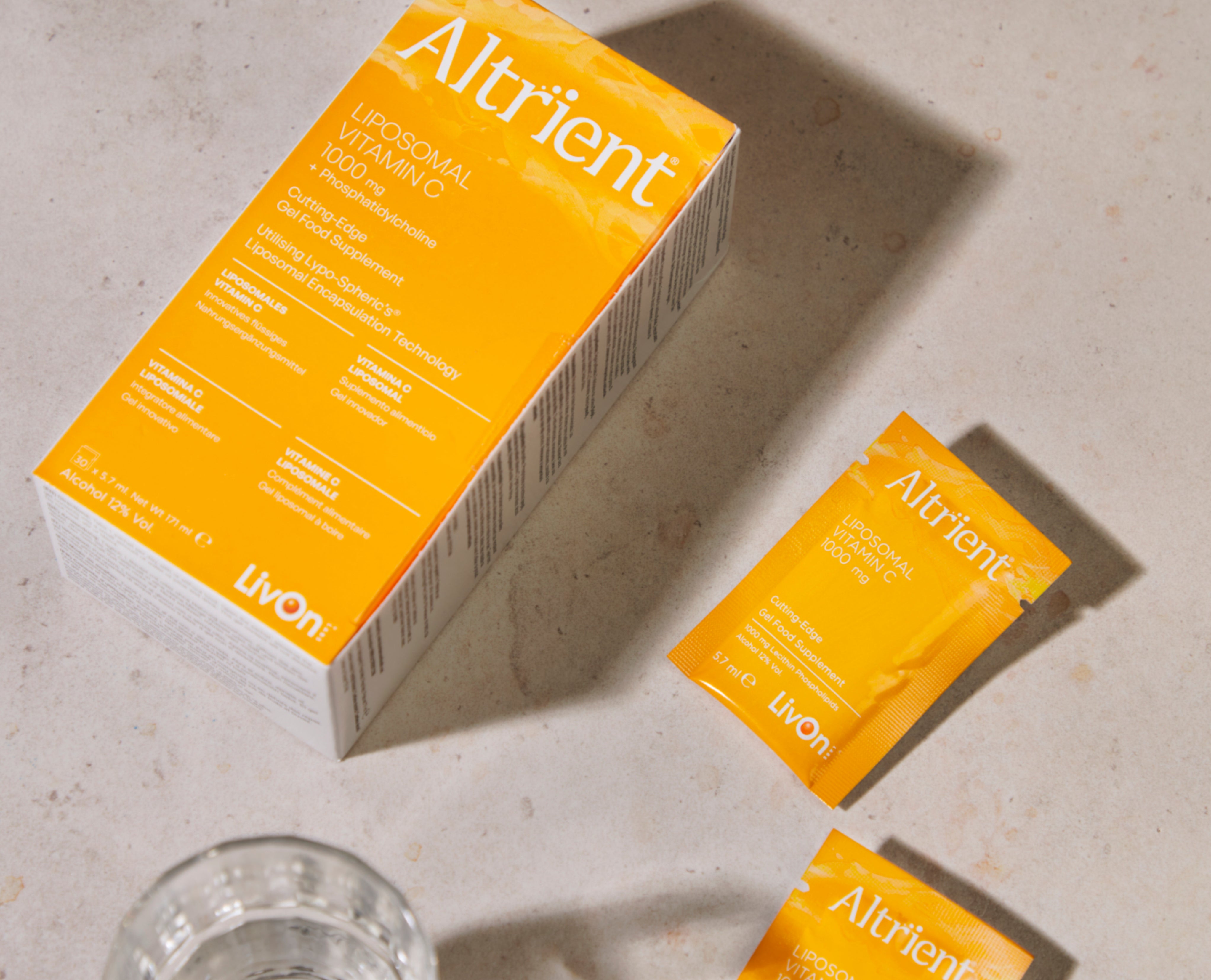
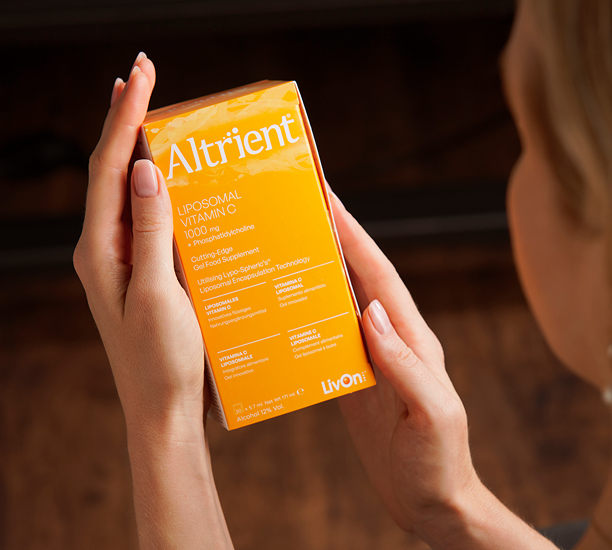
- Altrient C Liposomal Vitamin C — a high-potency vitamin C supplement in a liposomal format, widely used by athletes
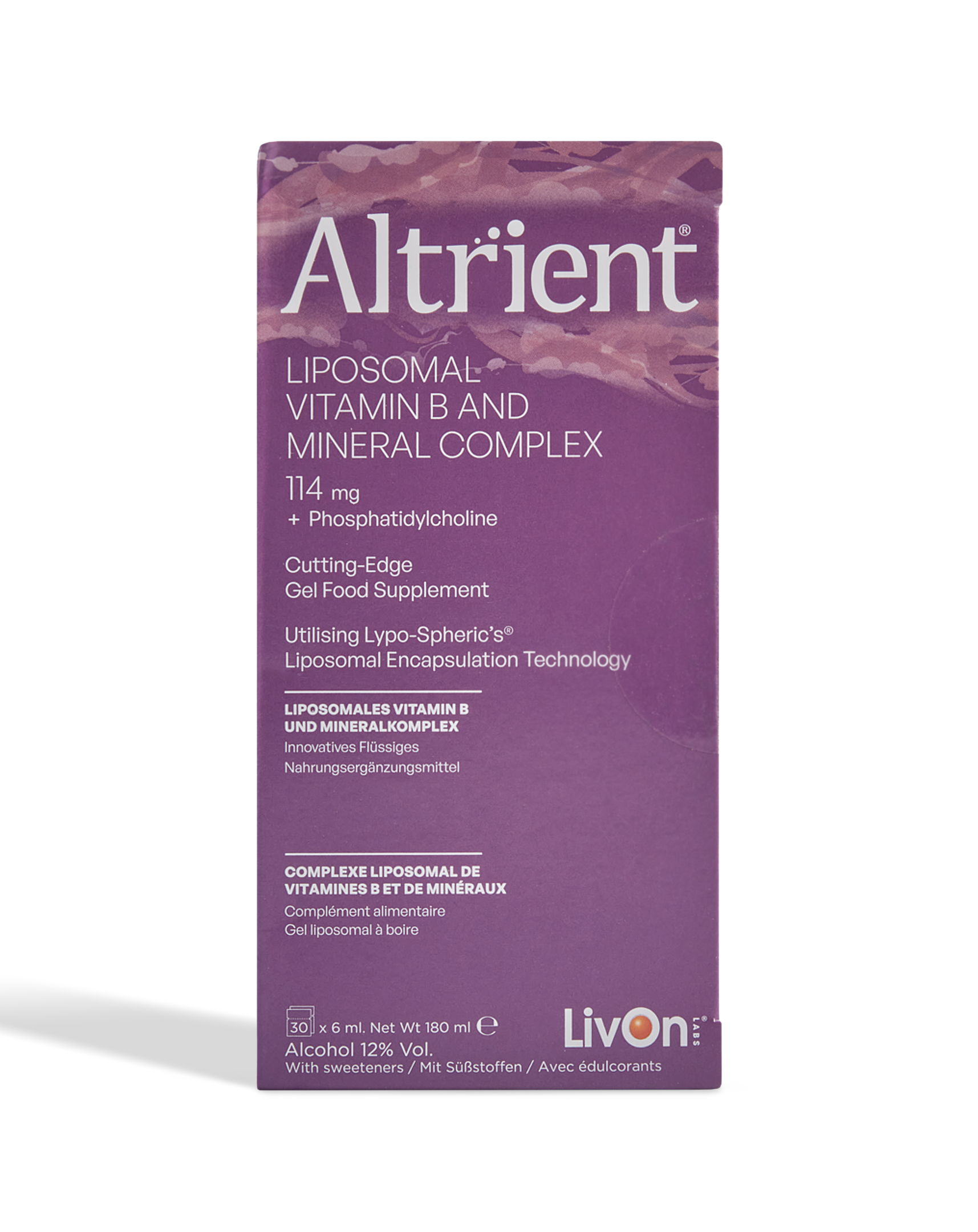
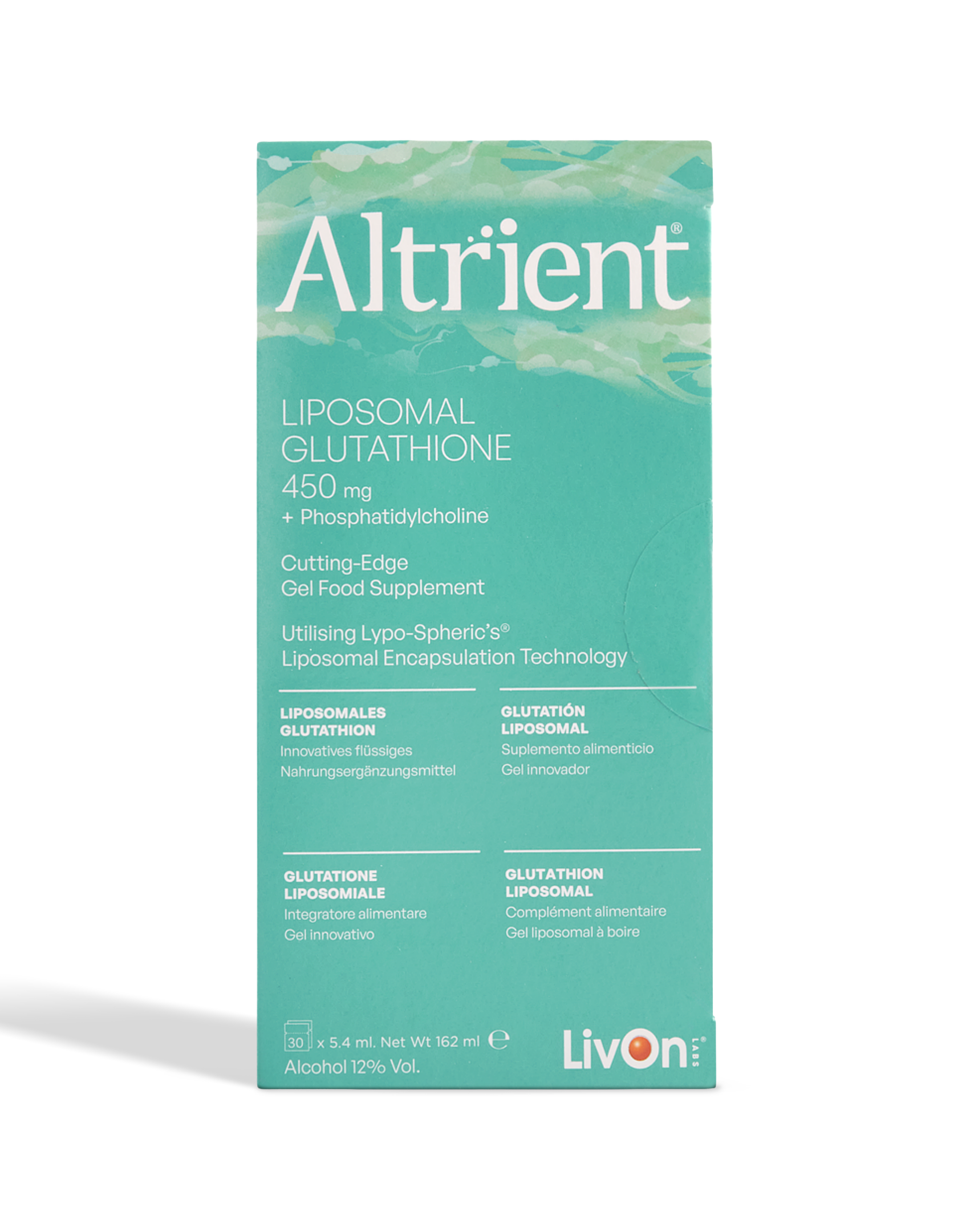
- Altrient B Liposomal Vitamin B Complex — a comprehensive highly bioavailable, B vitamin formula, popular with those in heavy training
- Neutrient Magnesium — a well-tolerated magnesium formula, commonly chosen by those looking to cover their bases during demanding training periods
- Neutrient Advanced Collagen — providing hydrolysed collagen peptides, one of the structural proteins the body draws on heavily during periods of high physical demand
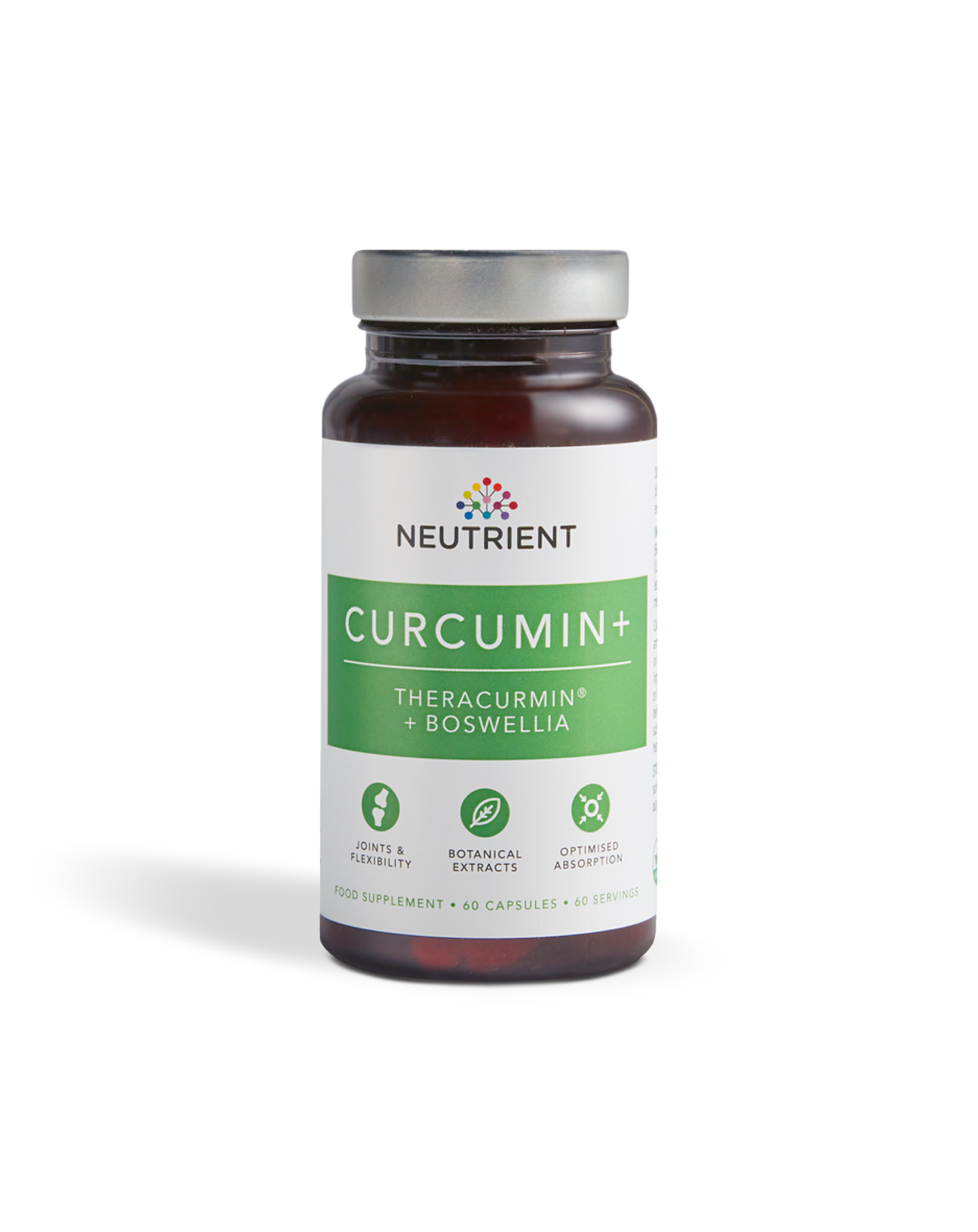
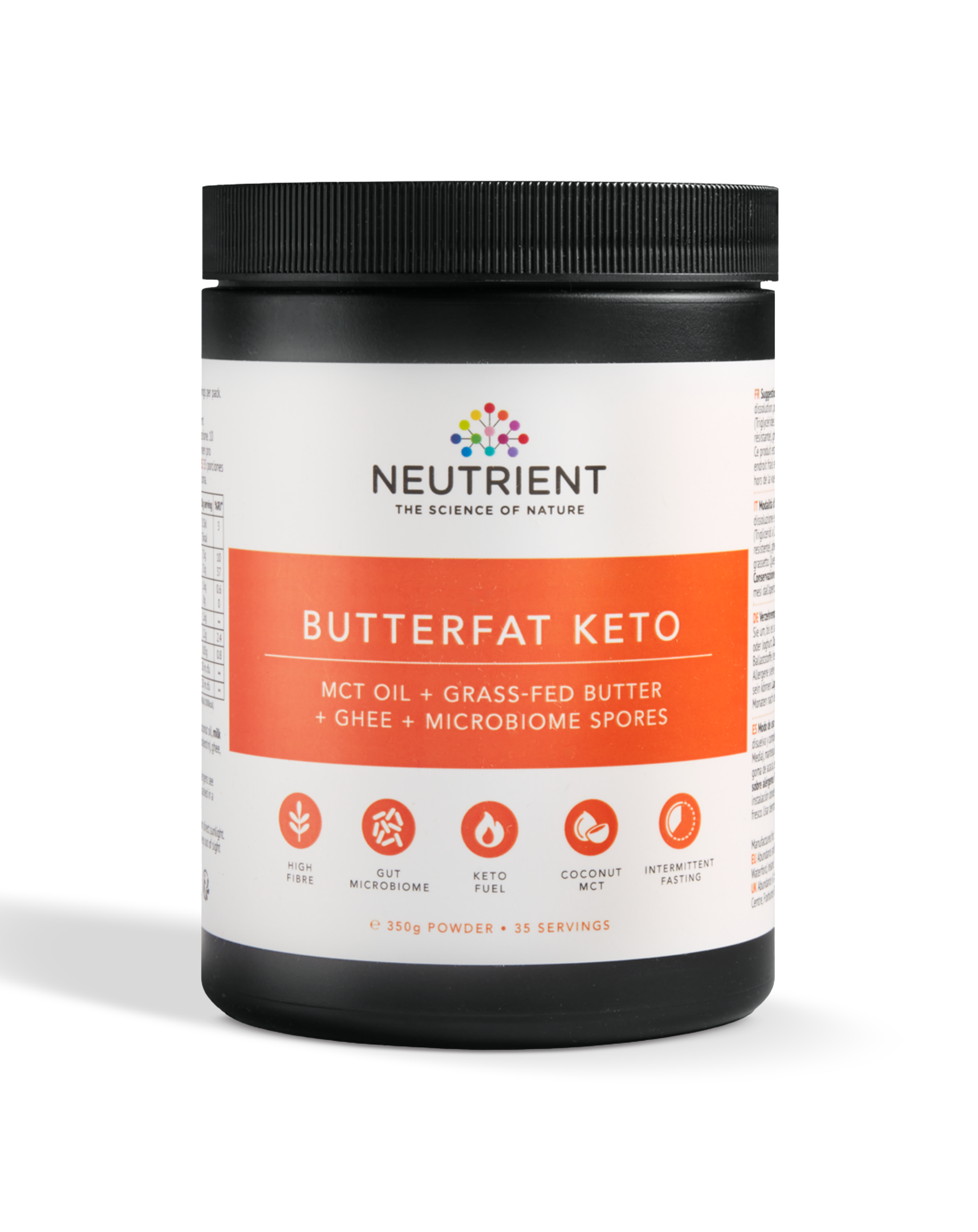
- Neutrient Curcumin+ — a dual-botanical formula combining patented Theracurmin® and Casperome® boswellia, chosen for their highly bioavailable delivery formats and long history of use in traditional wellness practices
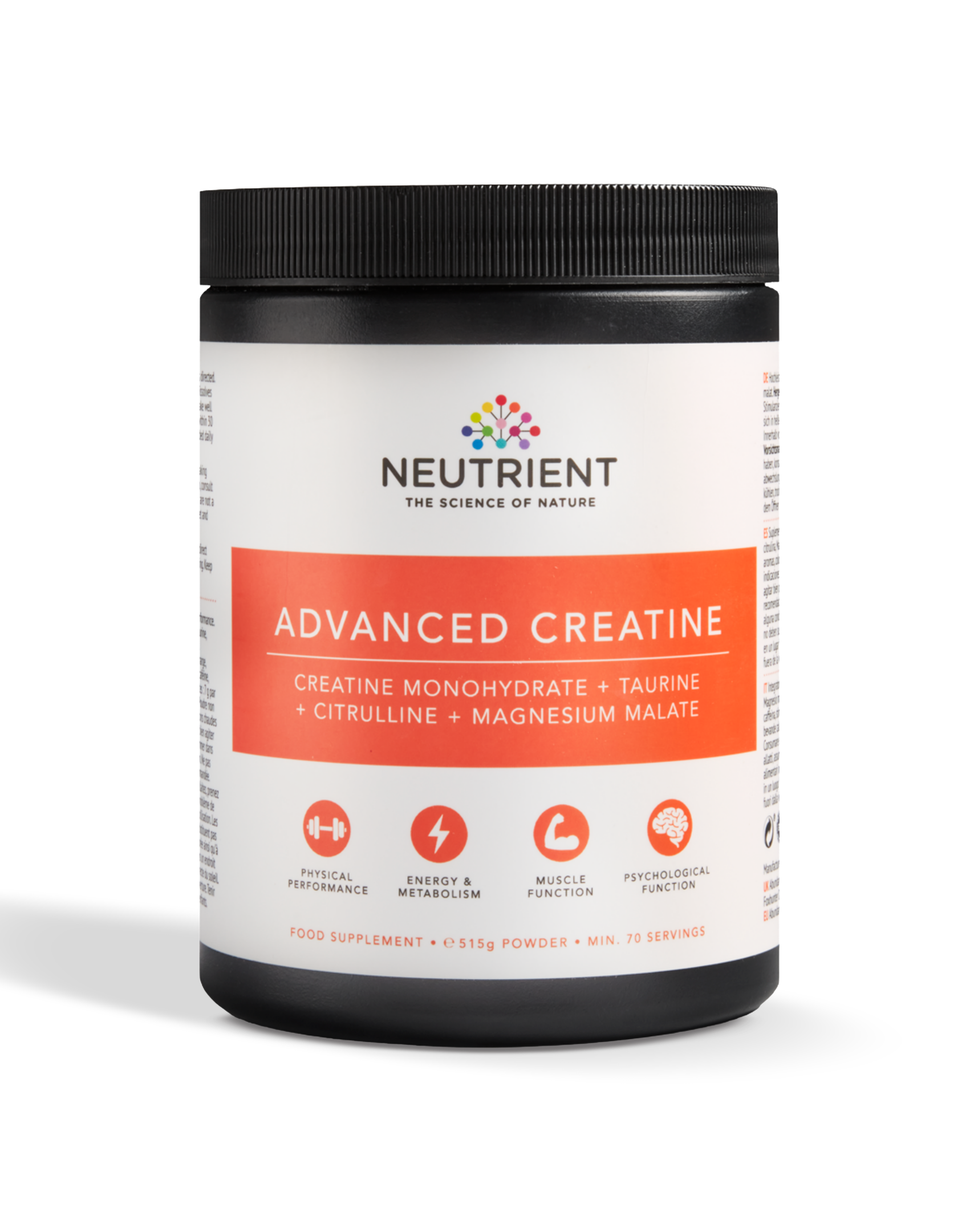
- Neutrient Advanced Creatine — a clean creatine monohydrate formula, one of the most researched ingredients in sports nutrition
 Recovery Is Part of Training
It is easy to treat recovery as something that happens after training, but in reality, it is part of training itself. Sleep, rest days, nutrition, hydration, and stress management all influence how well the body adapts to the load being placed on it. When those basics are neglected, training quality can start to decline in ways that are not always obvious until the damage is done.
Marathon preparation is best understood as a lifestyle process, not just a mileage plan. A runner who fuels well, sleeps consistently, and pays attention to nutrient intake is building a stronger foundation than one who only fine-tunes gels in the final week.
 A More Complete Pre-Marathon Checklist
Instead of asking only what to eat before race day, runners should ask a broader set of questions:
- Am I eating enough to support my current training load?
- Am I recovering adequately between sessions?
- Am I sleeping consistently?
- Am I getting enough daylight exposure?
- Could I be falling short of key nutrients that contribute to normal body function?
The best marathon preparation is not built on a single perfect week. It is built on consistent habits that support the body mile after mile: enough fuel, enough recovery, enough sleep, and attention to the nutrients that contribute to normal function, from the first long run to the finish line.
Written by Jacqueline Newson BSc (Hons) Nutritional Therapy
References
1. Frank AM, Joachim MR, Sanfilippo JL, et al. Low Vitamin D Levels Are Associated With Increased Risk of Musculoskeletal Injuries in Collegiate Athletes. Sports Health. 2026. DOI: 10.1177/19417381251407674
2. Bruunsgaard H, et al. Exercise-induced increase in serum interleukin-6 in humans is related to muscle damage. J Physiol. 1997;499(3):833-841.
3. Muller K, Diamant M, Bendtzen K. Inhibition of production and function of interleukin-6 by 1,25-dihydroxyvitamin D3. Immunol Lett. 1991;28(2):115-120.
4. Holick MF. Vitamin D deficiency. N Engl J Med. 2007;357(3):266-281.
5. O'Leary F, Samman S. Vitamin B12 in health and disease. Nutrients. 2010;2(3):299-316.
6. Shaw G, Lee-Barthel A, Ross ML, Wang B, Baar K. Vitamin C-enriched gelatin supplementation before intermittent activity augments collagen synthesis. Am J Clin Nutr. 2017;105(1):136-143.
7. Zhang Y, et al. Can magnesium enhance exercise performance? Nutrients. 2017;9(9):946.
8. Lanhers C, et al. Creatine supplementation and lower limb strength performance: a systematic review and meta-analyses. Br J Sports Med. 2015;49(16):1050-1057.
Mentioned in this blog
→