







When the Clocks Steal Your Sleep: Menopause Myths That Keep You Awake
Most of us shrug off the clocks going forward. One lost hour, a groggy Sunday, job done. But if you are in perimenopause or menopause, that single hour can feel like the last straw. Your nights are already fragmented, your temperature control is unreliable, and your body clock is a little less steady than it used to be. Losing an hour of sleep on top of all that is not trivial.
In the week the clocks spring forward, Google searches for sleep problems spike sharply. More women type some version of 'why can't I sleep?' than at almost any other time of the year, and many of them are in the middle of the menopausal transition.¹ The reason runs deeper than a disrupted Sunday morning.
Hormonal shifts, particularly falling oestrogen and progesterone, are linked with night sweats, more fragile sleep and a higher risk of insomnia and sleep apnoea. Melatonin production also declines gradually with age. Large studies suggest the odds of moderate sleep difficulties rise by roughly a third in perimenopause and even more in early postmenopause.¹˒²
So when the clock change arrives, it lands in already disrupted territory. At the same time, a familiar set of sleep 'rules' circulates on social media and in glossy magazines. Some are half true. Others are simply wrong for midlife women.
Here are three common myths, and what the evidence suggests you can actually do, including ways to use food and supplements in a realistic way.
 Myth 1: "It's only one hour – my body will just adapt."
For some people, that is roughly what happens. However, for many menopausal women, it is more complicated. Sleep researchers note that women report more trouble staying asleep and more frequent awakenings as they move through the transition, with symptoms often peaking around the final menstrual period and early menopause.²˒⁵˒⁶
Difficulty sleeping is among the most common complaints, affecting between about 16-17% of women in perimenopause.⁵˒⁷ Add an enforced one-hour jump into the mix and you have a recipe for several unsettled nights. A more practical approach is to treat the clock change as something you can prepare for.
In the three or four evenings beforehand, try shifting your schedule by 15 minutes at a time: go to bed and rise slightly earlier each day, bring meals forward a little, and try to get natural light earlier in the morning. Daylight exposure is one of the main cues that anchors your internal clock, which tends to become less robust with age and hormonal change.³˒⁴ It seems modest, but it means your body is not starting from standstill when the hour is taken.
 Myth 2: "If I eat well, I'll sleep well."
Diet can support better sleep, but it is not a simple on-off switch. There are, however, good reasons to pay attention to what is on your plate, especially if you are navigating hot flushes and night waking. Several nutrients have plausible links with sleep quality.
Magnesium is involved in normal muscle and nervous system function and is required for normal energy metabolism, including the reduction of tiredness and fatigue. Many people find it a useful addition to their evening routine for these reasons. Good food sources include leafy greens, nuts, seeds, whole grains and pulses. A chelated magnesium formula is a practical way to support daily intake if diet alone falls short.
Tryptophan, an amino acid found in poultry, eggs, dairy, tofu and seeds, is used by the body to produce serotonin and melatonin, both involved in sleep-wake regulation.³˒⁸ It works best when paired with a small portion of carbohydrate, which helps carry it to the brain. In practice, that might be a small bowl of yoghurt with oats and pumpkin seeds before bed, or wholegrain toast with hummus.
For women with menopausal symptoms, there is also the question of blood sugar swings. Diets high in refined carbohydrates and sugar have been linked with higher rates of insomnia in midlife women, possibly because sharp rises and falls in glucose can influence wakefulness and the hot flushes and night sweats that are so common in menopause.⁸
Building meals around vegetables, legumes, whole grains, healthy fats and quality protein sources such as fish, eggs, beans and tofu is linked with more stable energy and may support sleep as part of a wider lifestyle approach.
So what does this mean in practical terms in the week the clocks go forward?
· Aim to bring your evening meal slightly earlier so you are not going to bed on a very full stomach.
· At each meal, include a source of protein, fibre and healthy fats to help keep you satisfied.
· If you like a bedtime snack, keep it small and balanced: a glass of milk or fortified plant drink with a few almonds, or a banana with a spoon of nut butter.
 Myth 3: "One supplement will sort it."
No supplement can override poor habits, an erratic schedule or untreated health issues. That said, certain nutrients have well-established roles in the body that matter particularly during times of hormonal change and disrupted routine.
Magnesium contributes to normal muscle and nervous system function, normal energy metabolism, and the reduction of tiredness and fatigue. It is one of the most widely researched nutrients in the context of sleep, and many people find it a useful part of their evening wind-down. A chelated magnesium formula is a practical choice - being both well absorbed and gentle on the gut.
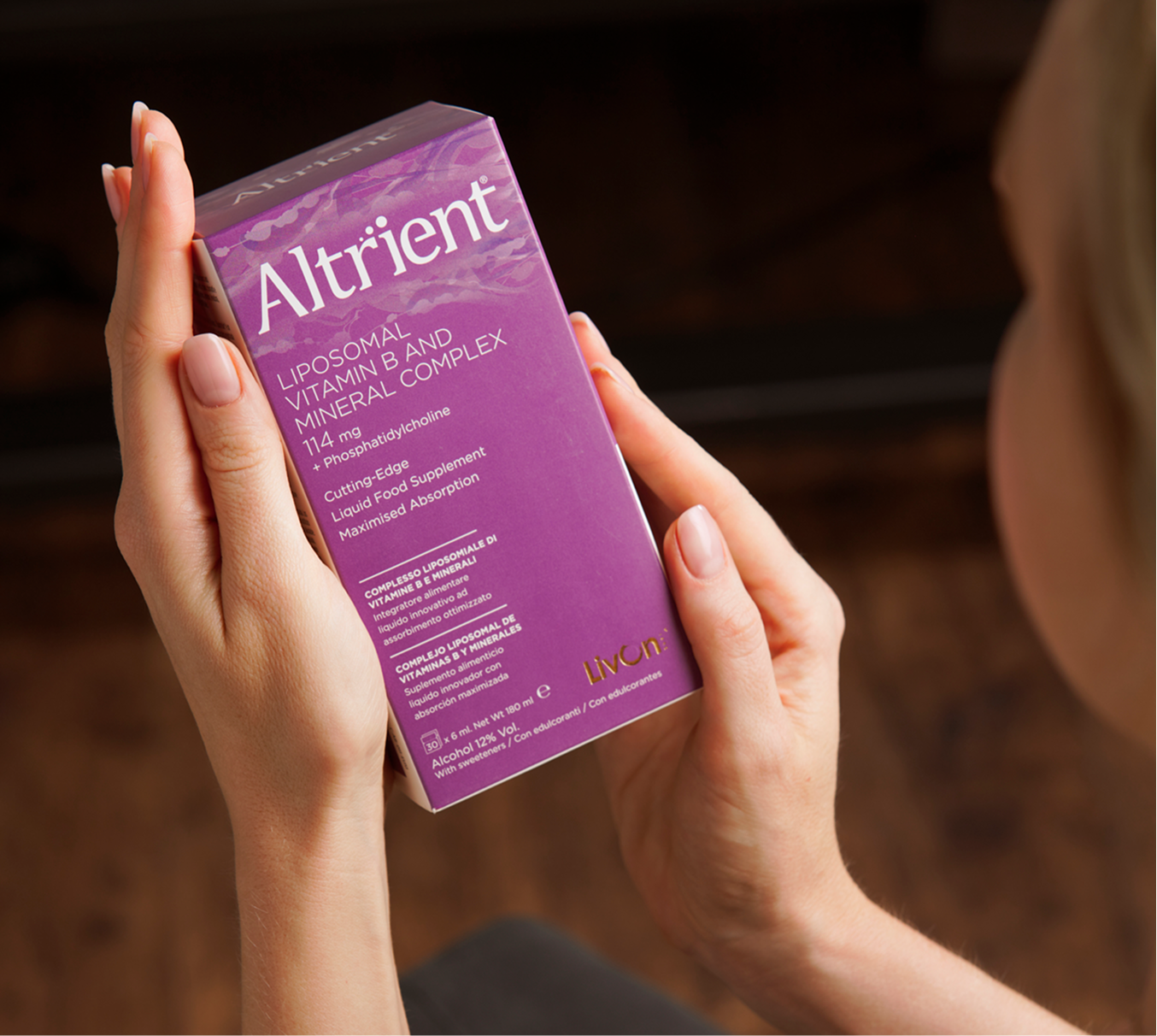
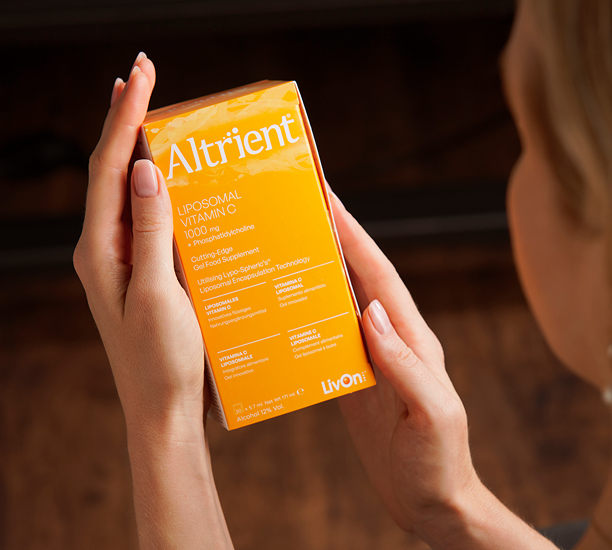
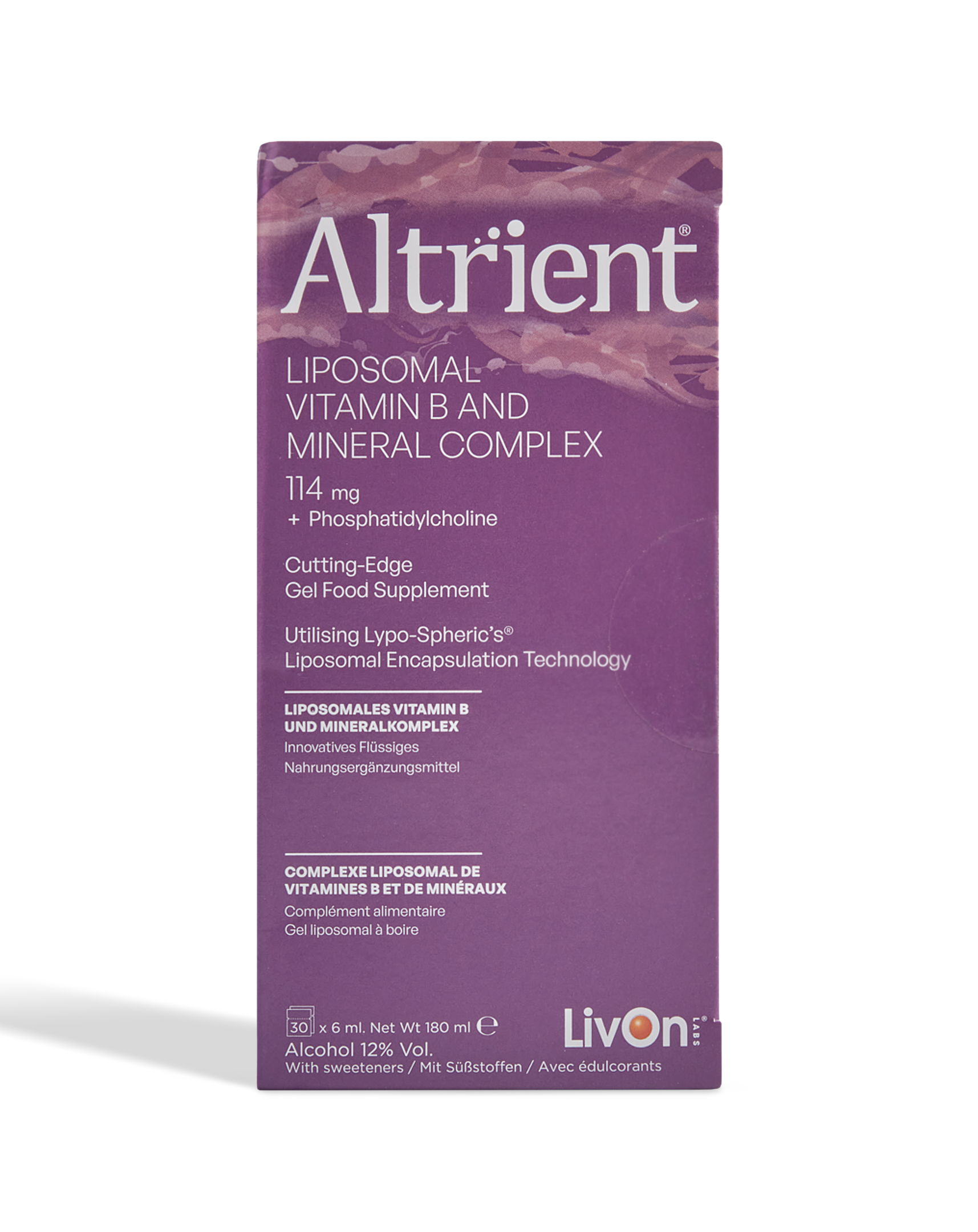
Several of the B vitamins, including B6, B12, and folate, are required for normal psychological and nervous system function.⁹ They also support normal energy metabolism and help reduce tiredness and fatigue, which can feel particularly relevant when disrupted nights are already taking their toll. A B complex is a practical way to maintain daily intake, especially if appetite has become less consistent.
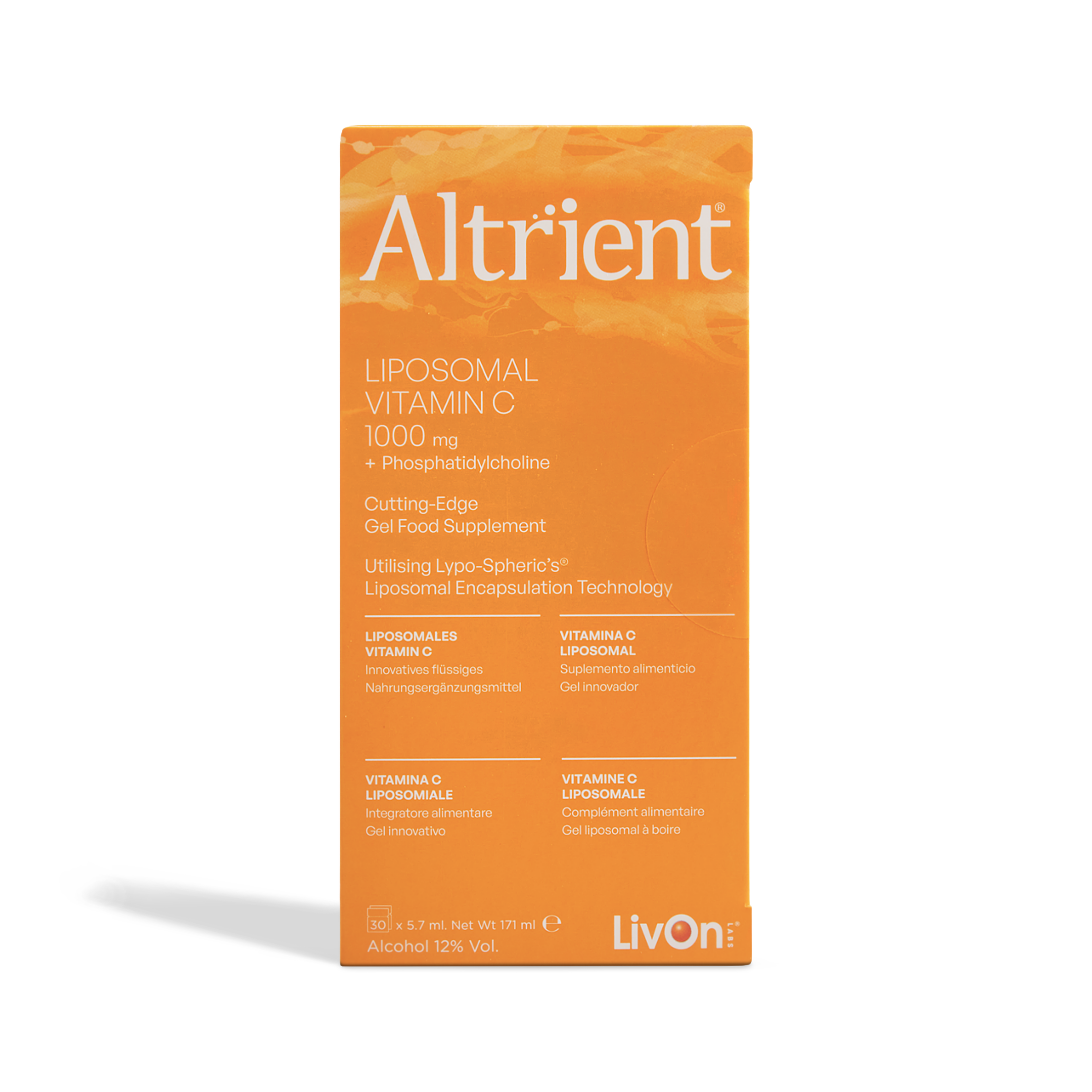
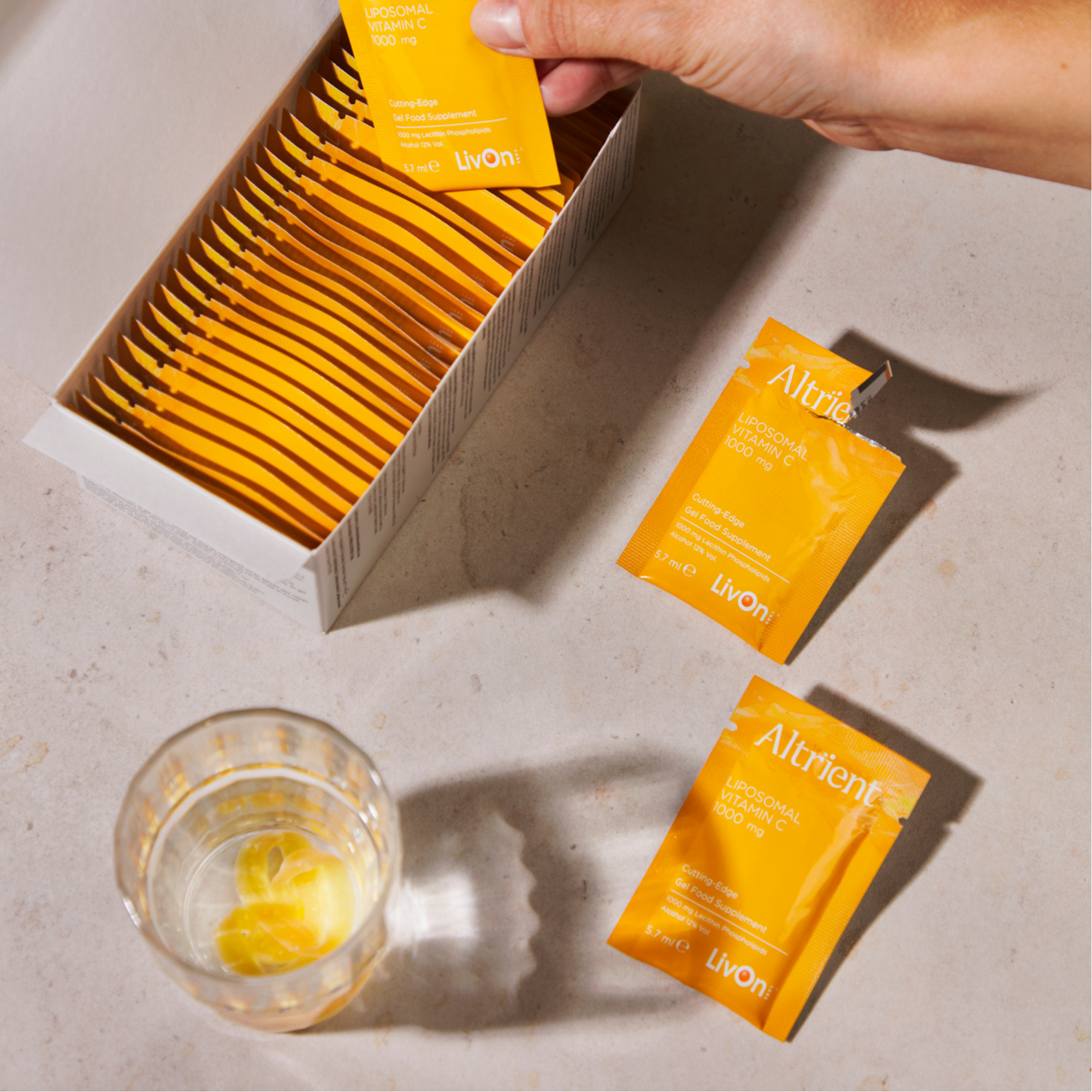
Disrupted sleep can take a toll on more than energy levels. Research suggests that poor sleep affects the body's normal immune responses, making this a good time to ensure your intake of key nutrients is solid. Vitamin C and zinc both contribute to normal immune system function, as well as helping to protect cells from oxidative stress.⁹ Alongside these, many people include a high-strength, multi-strain microbiome formula as part of their daily wellness routine, paired with a fibre-rich diet.
Putting it all together
For peri and menopausal women, the clock change is not just an abstract calendar event. It arrives in the middle of a shifting hormonal landscape, where sleep is already lighter and the body clock less reliable. You cannot remove that complexity, but you can work with it.
A few days before the change, nudge your schedule and light exposure gently forward. Keep caffeine early and be cautious with alcohol, which fragments sleep even when it helps you drop off. In the evenings, eat in a way that supports stable blood sugar and provides sources of magnesium and tryptophan. Keep your bedroom cool, dark and quiet.
If you use supplements, treat them as one tool among several, not the whole solution. And if your sleep remains persistently poor despite these efforts, or if a partner notices loud snoring or gasping at night, it is worth speaking to a doctor to rule out sleep apnoea, which becomes more common after menopause.
You may still wake in the small hours on some nights. The aim is not perfection, but a pattern in which those nights become less frequent, and the clock change becomes something you can anticipate and navigate rather than simply endure.
Written by: Jacqueline Newson BSc (Hons) Nutritional Therapy
References
- Walch OJ, et al. A global quantification of "normal" sleep schedules using smartphone data. Science Advances. 2016.
- Kravitz HM, et al. Sleep difficulty in women at midlife: a community survey of sleep and the menopausal transition. Menopause. 2003.
- Zisapel N. New perspectives on the role of melatonin in human sleep, circadian rhythms and their regulation. British Journal of Pharmacology. 2018.
- Mong JA, Cusmano DM. Sex differences in sleep: impact of biological sex and sex steroids. Philosophical Transactions of the Royal Society B. 2016.
- Xu Q, Lang CP. Examining the relationship between subjective sleep disturbance and menopause: a systematic review and meta-analysis. Menopause. 2014.
- Baker FC, et al. Sleep and sleep disorders associated with the menopausal transition. Sleep Medicine Clinics. 2018.
- Polo-Kantola P. Sleep problems in midlife and beyond. Maturitas. 2011.
- Gangwisch JE, et al. High glycemic index diet as a risk factor for depression: analyses from the Women's Health Initiative. American Journal of Clinical Nutrition. 2015.
- Cryan JF, et al. The microbiota-gut-brain axis. Physiological Reviews. 2019.
Read more

After your 30s, collagen production slows — but the right foods can help. From protein-rich bone broth and legumes to garlic, citrus, and dark leafy greens, your plate holds more anti-ageing power ...

Wellness calendars give us a moment to pause and reflect, and we are surrounded by more advice on how to manage stress than ever before. Yet despite the guided meditations, the digital detoxes, and...