

Menopause Belly: Why It Happens (And What Might Actually Help)
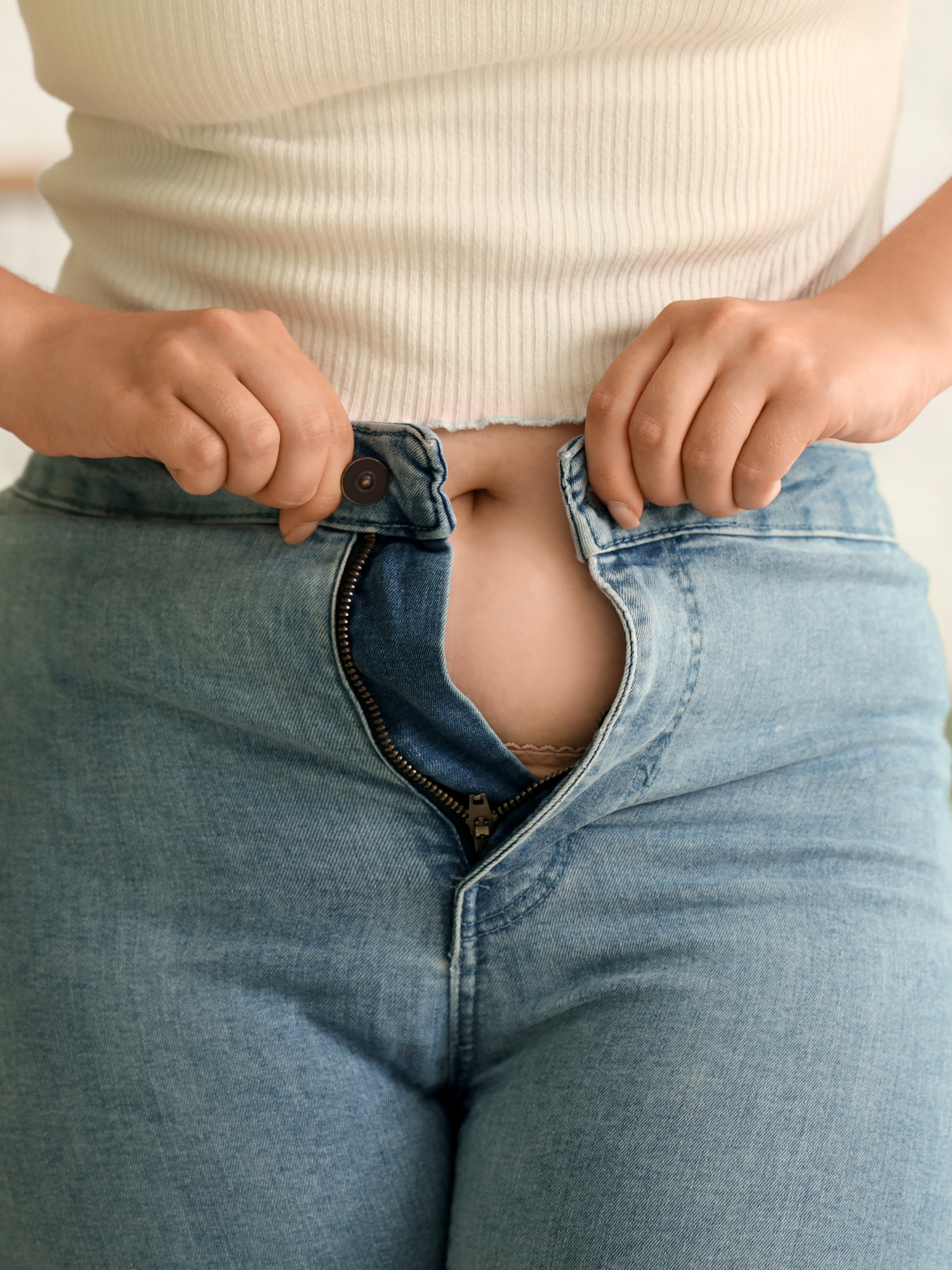
There's a particular kind of insult that tends to land somewhere in your forties or fifties. Your diet hasn't changed. Your exercise routine hasn't changed. And yet your waistband has developed opinions of its own. Welcome to ‘meno belly’: the redistribution of fat towards the middle that arrives whether or not you invited it.
It isn't a failure of willpower, or one too many biscuits. It's a genuine physiological change, driven by shifting hormones, changing muscle mass, stress, sleep and metabolism, all rearranging the furniture at once.
 What's Actually Causing Visceral Fat During Menopause?
Menopause belly fat isn't down to a single culprit. Visceral fat, which sits around your organs rather than just under the skin, tends to increase as oestrogen declines during the menopausal transition.
At the same time, muscle mass, which helps to keep metabolism ticking over, gradually reduces with age; insulin sensitivity often dips, sleep gets disrupted, and stress hormones join in too. None of these operates in isolation, which is rather inconvenient when you’re looking for something to blame.
Is "Cortisol Belly" Actually a Thing?
Cortisol has had something of a moment on social media, blamed for everything from bloating to burnout. It is, however, the body’s main stress hormone, with genuine metabolic effects.
When the stress response system, the HPA axis, is switched on for long periods, it’s been linked to changes in glucose production, insulin sensitivity, appetite, cravings and fat storage.1 Stress-induced cortisol secretion also tends to run higher in women who already carry more fat around the middle.2
So “cortisol belly” isn’t pure nonsense; it’s just one piece of a bigger picture, not the whole story.
That doesn’t mean you need a cortisol detox, a cortisol tea or a supplement promising to “reset” anything. But a prolonged stress response does place ongoing demands on the body, including the nutrients involved in energy production and nervous system function.
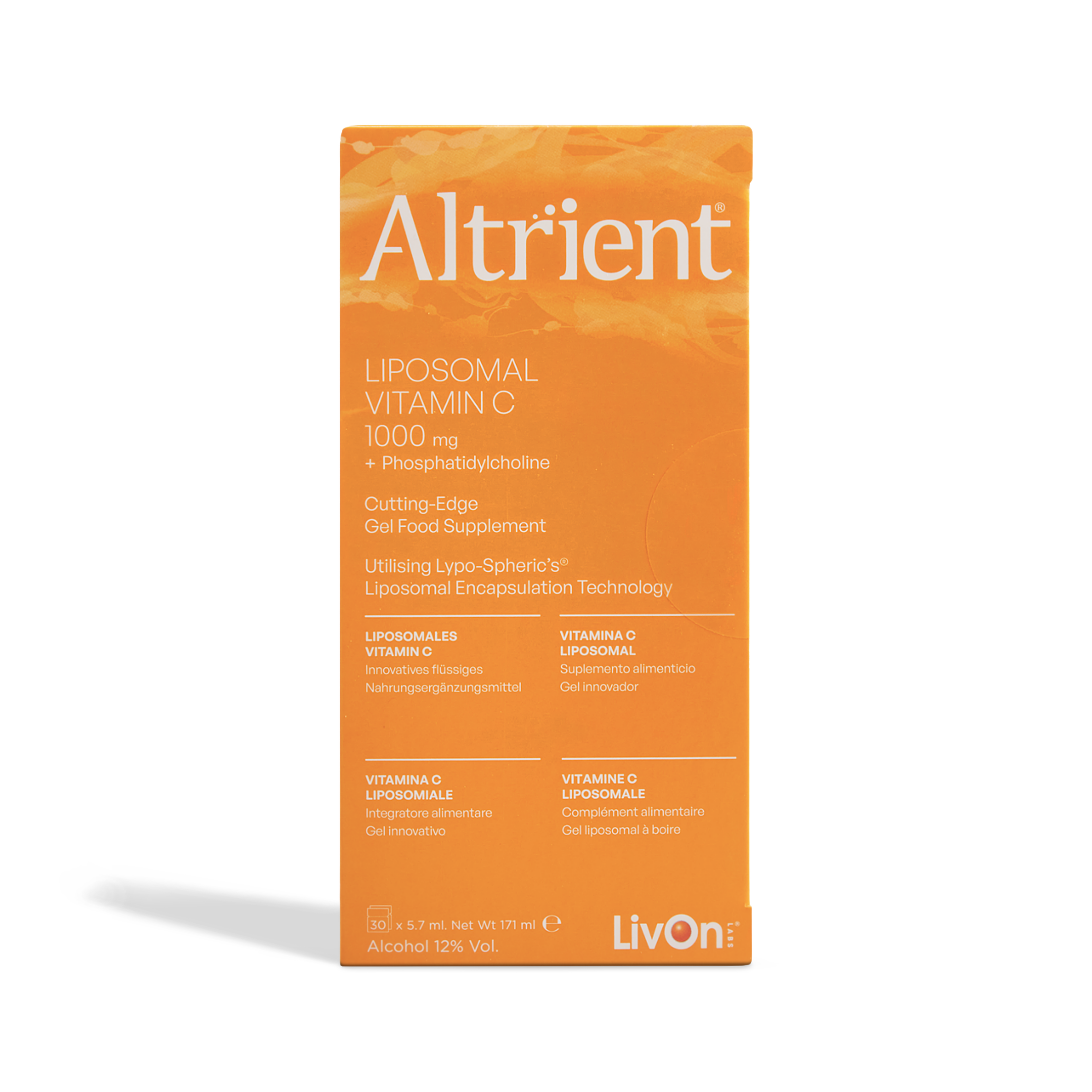
B vitamins, for instance, contribute to normal energy metabolism, psychological function and nervous system function, and some contribute to the reduction of tiredness and fatigue. That makes them worth considering when stress and midlife fatigue turn up as a pair.
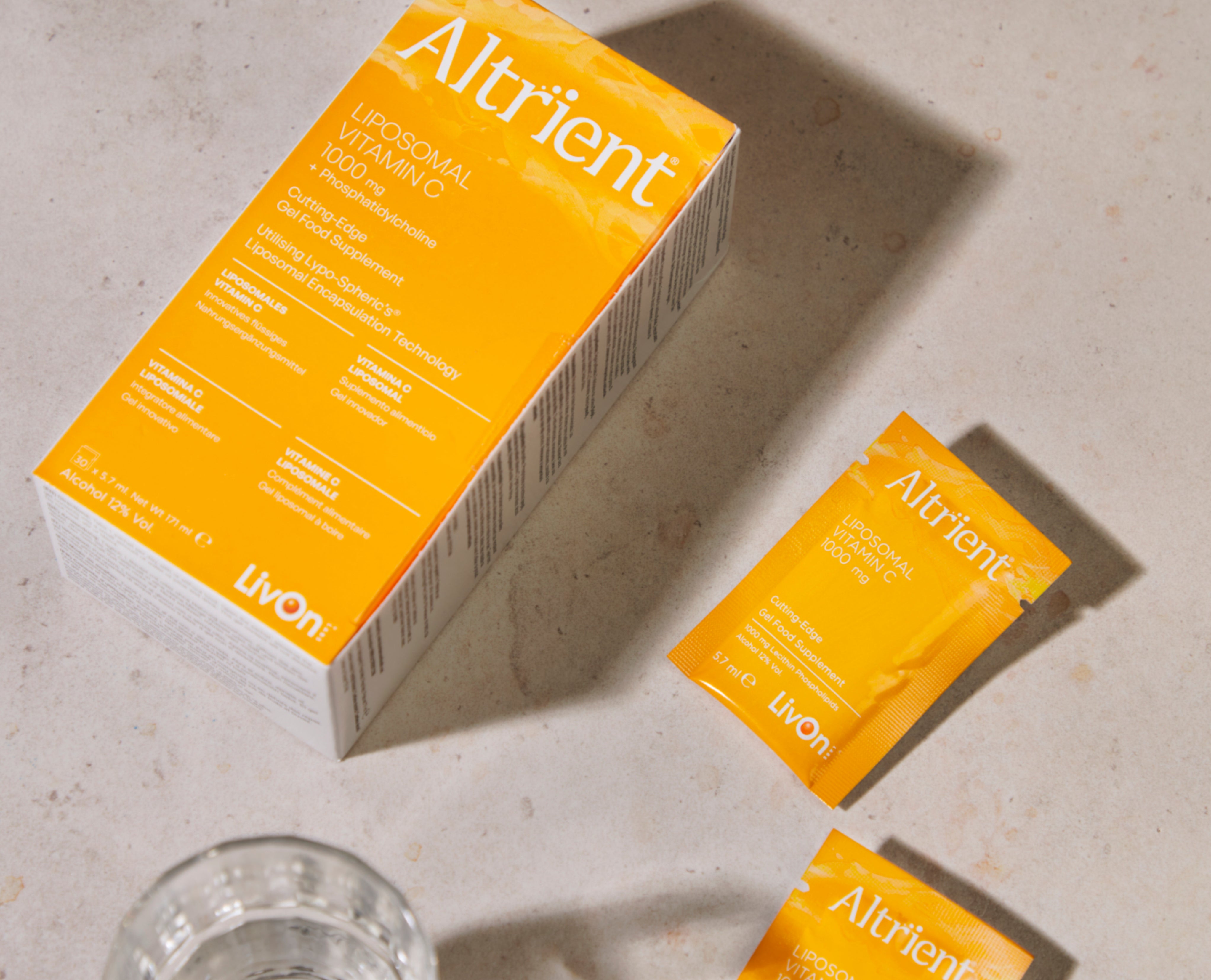
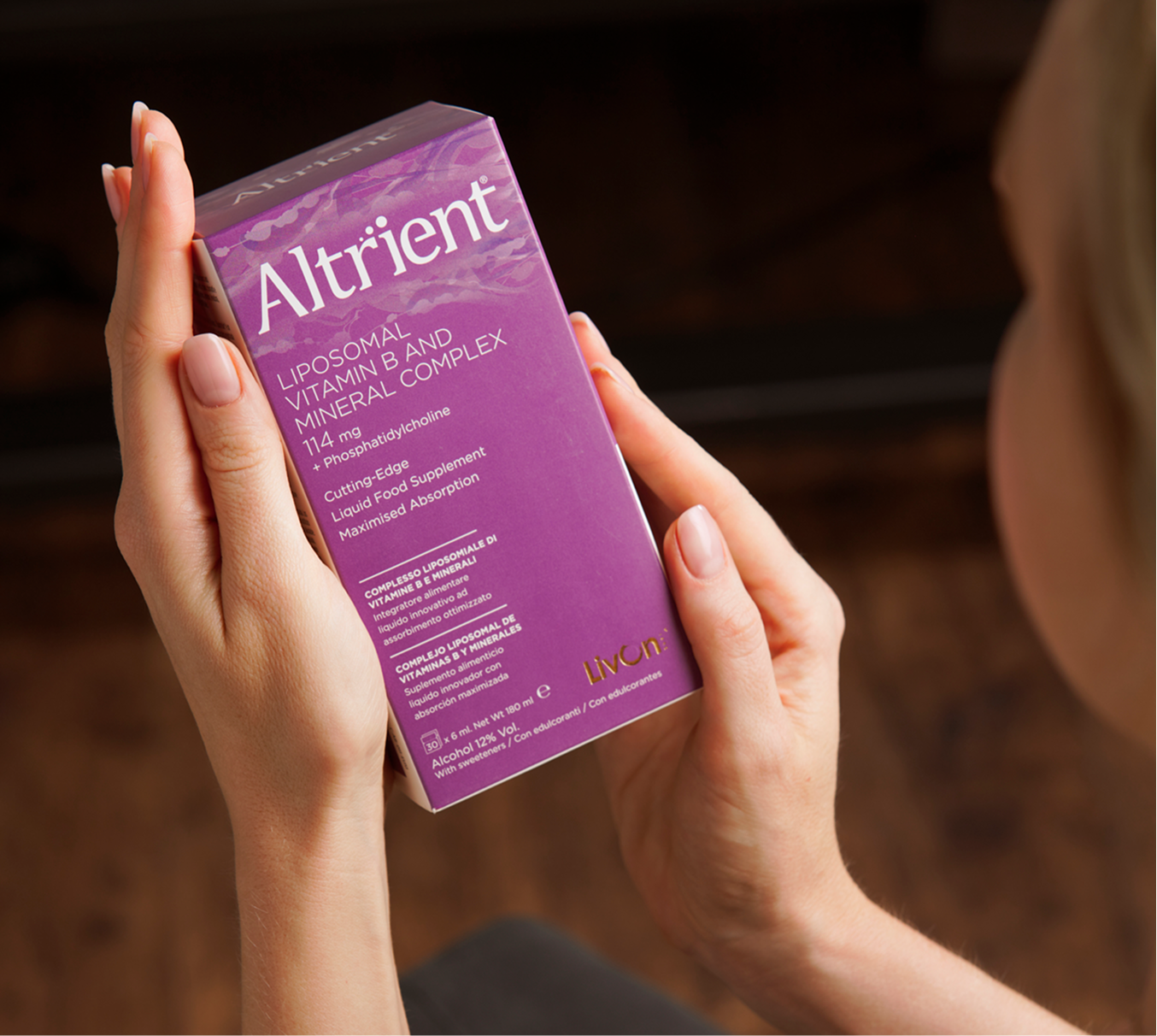
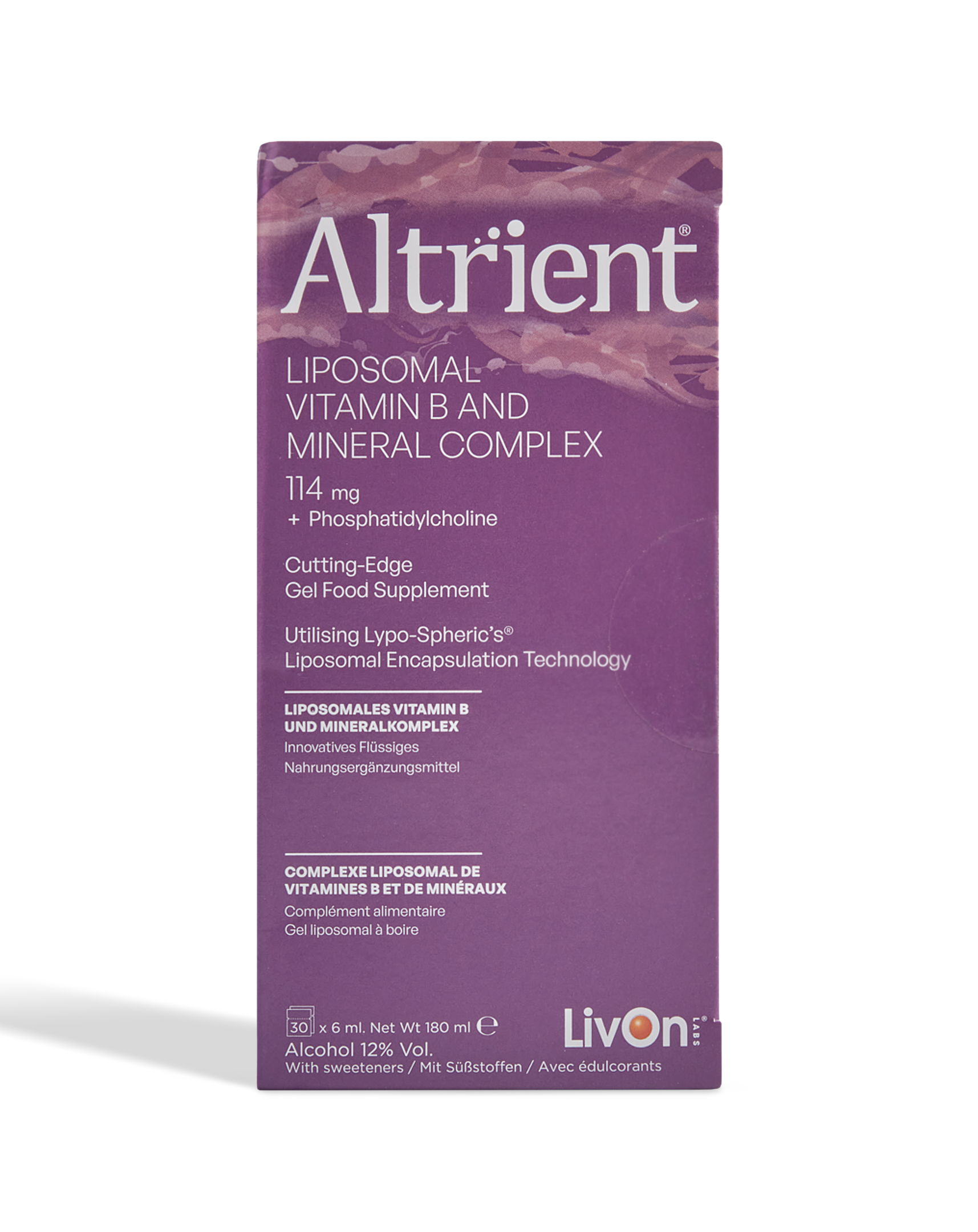
Altrient B, a liposomal vitamin B complex, delivers a full range of B vitamins plus zinc, chromium and selenium, encapsulated for high absorption.
 Muscle: The Unsung Hero of Midlife
If there's one factor worth paying proper attention to, it's muscle. Muscle is metabolically active tissue, but its importance goes well beyond the calories it uses at rest. It supports strength, movement and the body's ability to handle glucose.
Resistance training helps preserve lean mass as we age, and more muscle generally means better glucose disposal and insulin sensitivity. Research in midlife women has found resistance training linked with meaningful body composition improvements, though postmenopausal women may need somewhat higher training volumes than younger women for comparable results.3
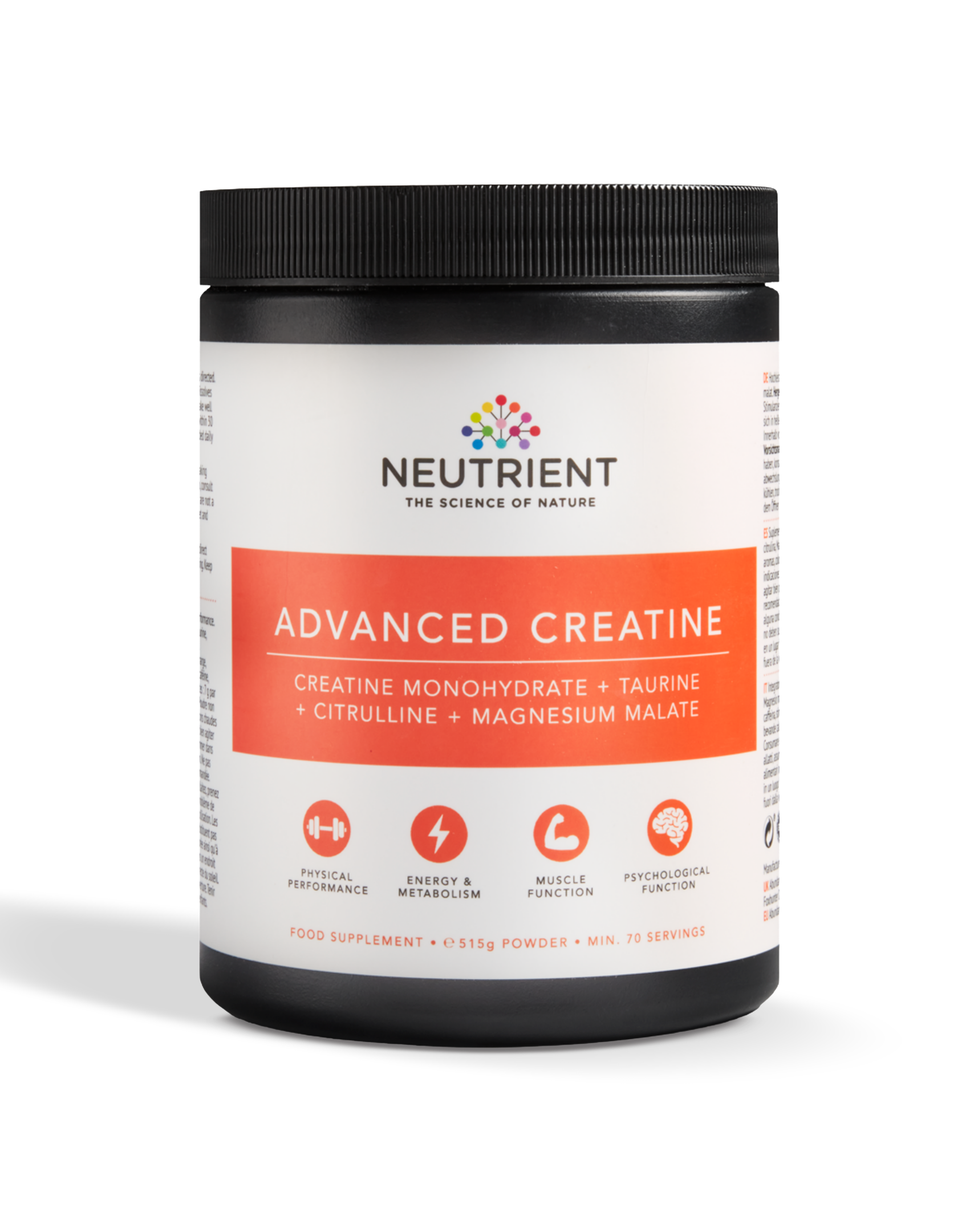
While we are on the subject of muscle, creatine deserves a mention. It isn't a fat-loss shortcut, but rather a practical tool for supporting physical performance. In fact, a recent review found that combining creatine with resistance training was associated with improvements in lower-body strength and lean tissue mass, with benefits extending to several trials involving postmenopausal women.4
Neutrient Advanced Creatine combines micronised creatine monohydrate with taurine, citrulline malate and magnesium malate, formulated to support training.
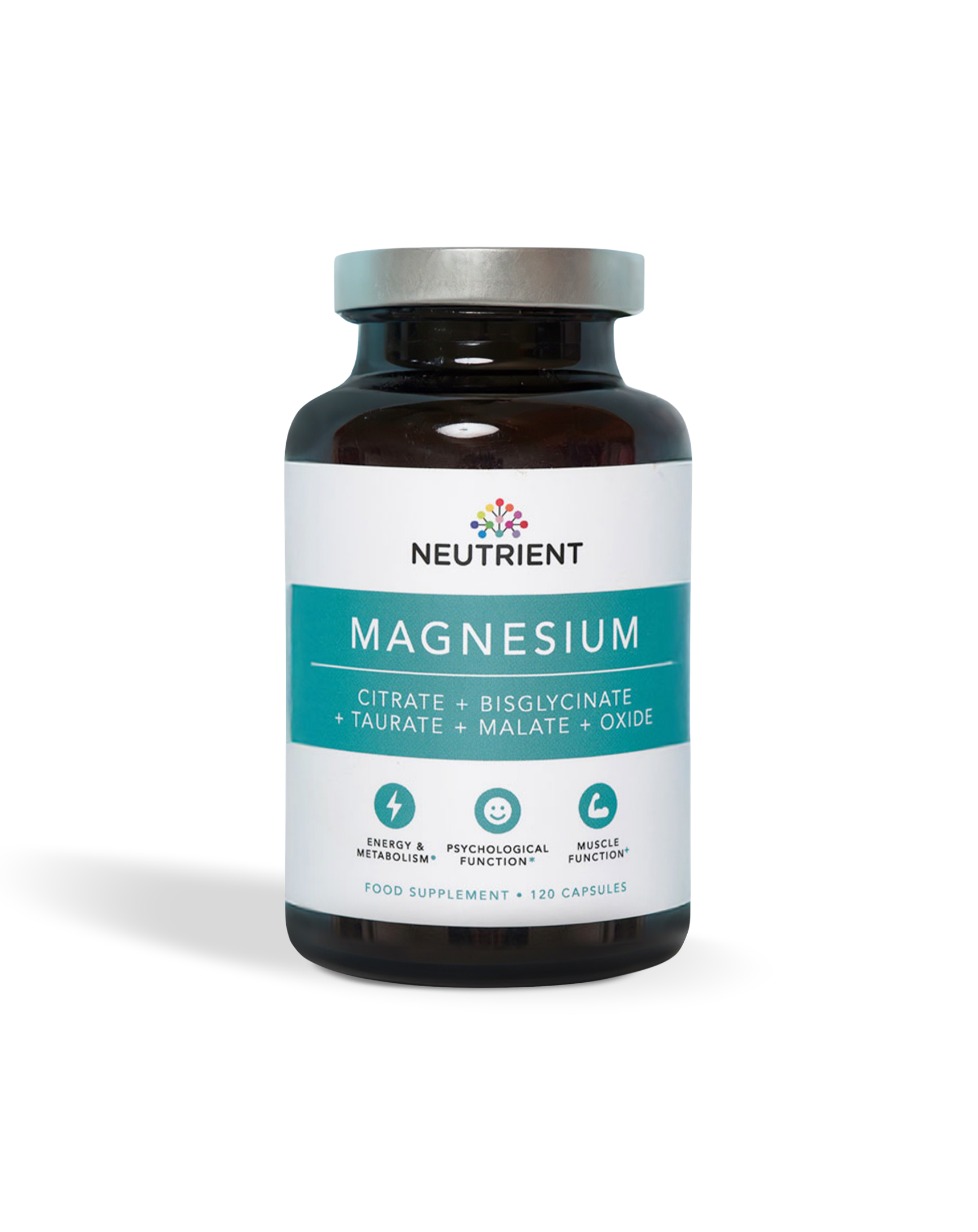
Magnesium plays a supporting role too. It contributes to normal muscle function and energy metabolism, helping reduce the tiredness and fatigue that make consistent training feel like an uphill battle.
When researchers looked at the link between magnesium status, muscle mass, and physical performance, the results were encouraging, suggesting that maintaining adequate levels supports better muscle function, particularly in people with lower levels to start with.5
Neutrient Magnesium combines a unique 5-in-1 blend, including four highly bioavailable forms: citrate, taurate, malate and bisglycinate.
Sleep: Your Other Waist-Management Tool
Poor sleep around menopause is extremely common. Between night sweats, hot flushes, and the mysterious 3:00 AM wake-up call, your nervous system is left running a nightly marathon. Unsurprisingly, this disruption cascades into appetite, glucose metabolism, and next-day cravings.
Because magnesium contributes to normal nervous system and psychological function, emerging research suggests it may help support healthy sleep by calming neural activity and aiding natural melatonin production.6
It’s not a medical sleep aid, but rather a sensible tool when your sleep has gone off track.
 Fibremaxxing: A Trend Worth a Raised Eyebrow
"Fibremaxxing" is the social media term for pushing fibre intake sky-high through chia seeds, flaxseed, oats, beans, lentils and berries. Does fibre actually help with menopause belly?
Potentially, though not because it directly burns fat. Fibre increases satiety, aids glycaemic control and feeds the gut bacteria that influence metabolic health. Research suggests that a higher fibre intake is associated with lower body weight and better metabolic markers.7
But leaping from a low-fibre diet to fifty-plus grams overnight tends to cause bloating, not results. Fibremaxxing isn't necessary. Consistency is.
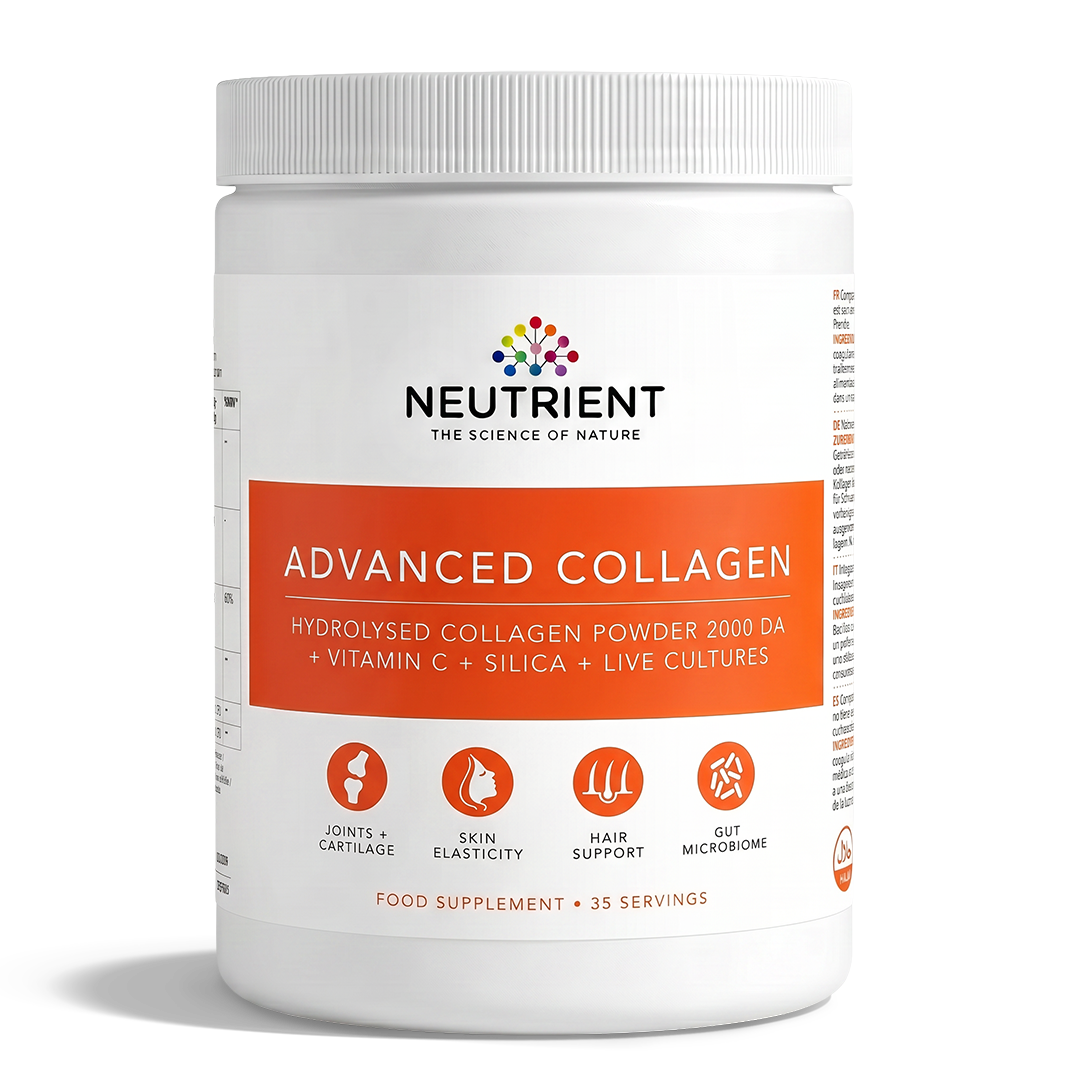
This is also where a synbiotic supplement formula like NeuBiotic can complement the picture rather than acting as a shortcut alone. A synbiotic combines prebiotic fibres (food for your gut microbes) with live bacterial strains, aiming to support a balanced microbiome alongside a fibre-rich diet.
Neutrient NeuBiotic is a high-strength, live culture formula, containing 20 different bacterial strains along with FOS + Inulin.
Building Your Plate, Not Another Diet
Rather than another restrictive ‘menopause diet’, a simple framework is far more useful: protein, plants, fibre and healthy fats on every plate. Protein deserves particular attention, as muscle becomes notoriously difficult to hold onto in midlife, particularly if you are lifting heavy things.8
Carbohydrates don’t need to be banished either; wholegrains, legumes, beans, fruit and vegetables belong on your plate, alongside healthy fats like nuts, seeds and oily fish. Drastically slashing calories tends to backfire, making muscle harder to hold onto and leaving you hungry, tired and less inclined to exercise. The aim is better body composition, not just a smaller number on the scales.
What About Inflammation?
Fat tissue, especially the visceral kind that sits around the middle, is metabolically active and can send out signals that nudge the body’s immune system into a higher gear.9
Menopause is also associated with fluctuations in these immune signals, though untangling what’s due to menopause itself, ageing, or simply carrying more fat is genuinely complex. Inflammation is part of the wider metabolic picture, not the lone villain behind “menopause belly.” Think of it as one unruly guest at a very crowded party.
This is where a botanical like curcumin can lend a hand. Research into its impact on inflammatory blood markers like CRP and IL-6 points toward a positive role in managing low-grade inflammation.10
Neutrient Curcumin+ pairs Theracurmin®, a highly bioavailable curcumin, with Casperome® boswellia extract. It’s positioned practical-first around muscle, joint, and digestive support—more “helps you move and feel better” than “melts the middle”.
Beyond the Scales
Menopause changes body composition, so the number on the scales only tells part of the story. Waist circumference, strength, fitness, how your clothes fit and energy levels all offer additional information.
It's entirely possible to become smaller around the waist without a dramatic drop in weight, simply by losing fat while maintaining muscle.
Menopause Belly Myths Worth Retiring
A few ideas are worth questioning: cortisol detoxes, fat-burning teas, fasting as a universal fix, cutting out carbs entirely, endless ab exercises aimed at "targeting" belly fat, and supplements marketed specifically as menopause fat burners.
The idea of targeting belly fat with ab exercises is particularly persistent, but the evidence doesn’t support it. A meta-analysis of more than a thousand participants found no meaningful evidence that localised exercise reduces fat specifically in the area being trained.11
In other words, spot reduction doesn’t hold up. What actually helps is far less exciting: resistance training, adequate protein, fibre-rich foods, regular movement, decent sleep and a sustainable approach to eating.
 The Actual Plan (Such As It Is)
If you’re still wondering how to get rid of menopause belly, the answer isn’t simply eating less or moving more. Oestrogen fluctuations, muscle loss, changing fat distribution, sleep and stress are all part of the equation, often all at once.
Fighting your body with an increasingly restrictive diet rarely works. What tends to help is giving it more of what it needs: muscle-building movement, enough protein, plenty of fibre, sleep worth having and, where useful, some targeted nutritional support alongside it. Sometimes, the basics really are the best place to start.
FAQs
Is hormonal belly fat in menopause permanent?
Not necessarily. Fat distribution can shift again with changes in muscle mass, movement and metabolic health, though it tends to respond more slowly than in your twenties.
Why does it happen even if my weight hasn't changed?
Fat distribution and total body weight are different things. Oestrogen decline is linked with fat relocating towards the abdomen even when the scales stay roughly the same.
Does HRT make a difference to menopause belly?
That's a personal medical decision best discussed with a GP or menopause specialist. Some women notice changes in fat distribution around HRT use, though experiences vary.
Can you lose menopause belly without losing weight?
Yes. If you lose some body fat while maintaining or building muscle, your waist measurement and how your clothes fit can change even if the scales barely move. The scales, as ever, don't get the final word.
Do targeted menopause fat loss supplements work?
Not in the way marketing implies. No pill melts fat directly. However, targeted nutrients, like magnesium for sleep or creatine for muscle performance, may support the foundational habits that influence body composition.
Written by: Jacqueline Newson BSc (Hons) Nutritional Therapy
References
- Lengton R, Schoenmakers M, Penninx B, Boon M, van Rossum EFC. Glucocorticoids and HPA axis regulation in the stress–obesity connection: a comprehensive overview of biological, physiological and behavioural dimensions. Clinical Obesity. 2025;15(2):e12725.
- Epel ES, McEwen B, Seeman T, Matthews K, Castellazzo G, Brownell KD, Bell J, Ickovics JR. Stress and body shape: stress-induced cortisol secretion is consistently greater among women with central fat. Psychosomatic Medicine. 2000;62(5):623-632.
- Isenmann E, Kaluza D, Havers T, Elbeshausen A, Geisler S, Hofmann K, Flenker U, Diel P, Gavanda S. Resistance training alters body composition in middle-aged women depending on menopause: a 20-week control trial. BMC Women's Health. 2023;23(1):526.
- Liu SC, Huang N, Wu WJ, OuYang X, Luo Y, Zhong YB, Wang MY, Xiao L. The impact of creatine supplementation associated with resistance training on muscular strength and lean tissue mass in the aged: a systematic review and meta-analysis. European Review of Aging and Physical Activity. 2025;22(1):26.
- Wang R, Chen C, Liu W. The effect of magnesium supplementation on muscle fitness: a meta-analysis and systematic review. Magnesium Research. 2017;30(4):120-132.
- He C, Wang B, Chen X, Xu J, Yang Y, Yuan M. The mechanisms of magnesium in sleep disorders. Nature and Science of Sleep. 2025;17:2639-2656.
- Liu Y, Guo Z. Dietary interventions and nutritional strategies for menopausal health: a mini review. Frontiers in Nutrition. 2025;12:1702105.
- Black KE, Matkin-Hussey P. The impact of protein in post-menopausal women on muscle mass and strength: a narrative review. Physiologia. 2024;4(3):266-285.
- Lankila H, Kekäläinen T, Hietavala E-M, Laakkonen EK. A mediating role of visceral adipose tissue on the association of health behaviours and metabolic inflammation in menopause: a population-based cross-sectional study. Scientific Reports. 2025;15(1):1999.
- Sobeh M, Nurcahyanti ADR, Cokro F, Wulanjati MP, Mahmoud MF, Wink M. Curcuminoids for metabolic syndrome: meta-analysis evidences toward personalized prevention and treatment management. Frontiers in Nutrition. 2022;9:891339.
- Ramirez-Campillo R, Andrade D, Clemente FM, Afonso J, Pérez-Castilla A, Gentil P. A proposed model to test the hypothesis of exercise-induced localized fat reduction (spot reduction), including a systematic review with meta-analysis. Frontiers in Physiology. 2021;12:699501.
Read more

For a long time, the gut was understood mainly as the body's digestive engine, a place where food went in and nutrients came out the other side. That picture has broadened considerably over the pas...

There is a particular sound that September makes. It's the sound of a thousand fresh notebooks opening at once, of gym memberships being dusted off, of someone somewhere throwing every product off ...