



Recover, Repair + Reset — what your body actually needs in September
There is a particular sound that September makes. It's the sound of a thousand fresh notebooks opening at once, of gym memberships being dusted off, of someone somewhere throwing every product off their bathroom shelf and starting again with nothing but a flannel and good intentions. The September reset has become its own small industry, and like most industries built on urgency, it tends to oversell the problem so it can oversell the solution.
Here is what nobody tells you: your body doesn't respond to theatrical overhauls or understand calendar dates; what it understands is biochemistry. It needs some fairly specific things, in fairly modest amounts, applied with something resembling consistency. That's a less exciting pitch than “detox your life in 30 days,” but it happens to be closer to how physiology actually works.
 What August leaves behind
Consider what summer usually entails. It’s a season of delightful necessary pleasures, hours of sunshine, longer evenings, holidays and the kind of eating and drinking that seems entirely reasonable in the moment and slightly less so in retrospect. None of that is a character flaw. It's simply a few months in which the body absorbed more UV exposure than usual, ran on richer and less varied food than usual, kept later hours and processed more alcohol than usual.
Four ordinary things, each with fairly predictable consequences: elevated alcohol can interfere with essential micronutrient absorption while altering gut function.1 Meanwhile, rich holiday dining, often heavier on refined carbohydrates and lighter on essential micronutrients, can contribute to feeling a little more sluggish than usual.
And then there is sleep, disrupted by warm nights, later bedtimes, and yes, wine, has its own separate bill to pay. Even modest alcohol intake, around two standard drinks, has been shown to suppress REM sleep specifically, the stage most involved in overnight repair.2
Your skin kept the receipts
Skin carries some of the summer's costs quite visibly. Sun exposure activates enzymes called matrix metalloproteinases, MMP-1 chief among them, which break down collagen in the deeper layers of skin.3 It's a normal response to UV, not damage in any dramatic sense, but it does mean the skin has spent the summer breaking collagen down faster than it might over a quieter season.
The gut carries a subtler version of the same story. Rich food, less fibre than usual, and more alcohol can all place a different kind of load on the gut lining and the bacterial community living there.
None of this needs fixing through punishment. A sensible September recovery routine is less about stripping your lifestyle down to the bare bones and more about giving the body the nutrients and conditions it needs to repair, rebuild and return to its usual rhythm.
 Repair starts at the kitchen table
Before looking at supplementation, basic dietary habits assist in clearing cellular waste and providing foundational support. Ultraviolet light exposure generates reactive oxygen species that linger in skin tissue long after your sun lotion has been put away. Countering this oxidative stress requires consistent intake of colourful, polyphenol-rich foods such as dark berries, leafy greens, and cold-pressed extra virgin olive oil.
Eat for repair, not for restriction. Focus on foods that provide the raw materials for collagen synthesis:
- Protein: eggs, wild fish, chicken, legumes
- Vitamin C: berries, citrus, kiwi, bell peppers
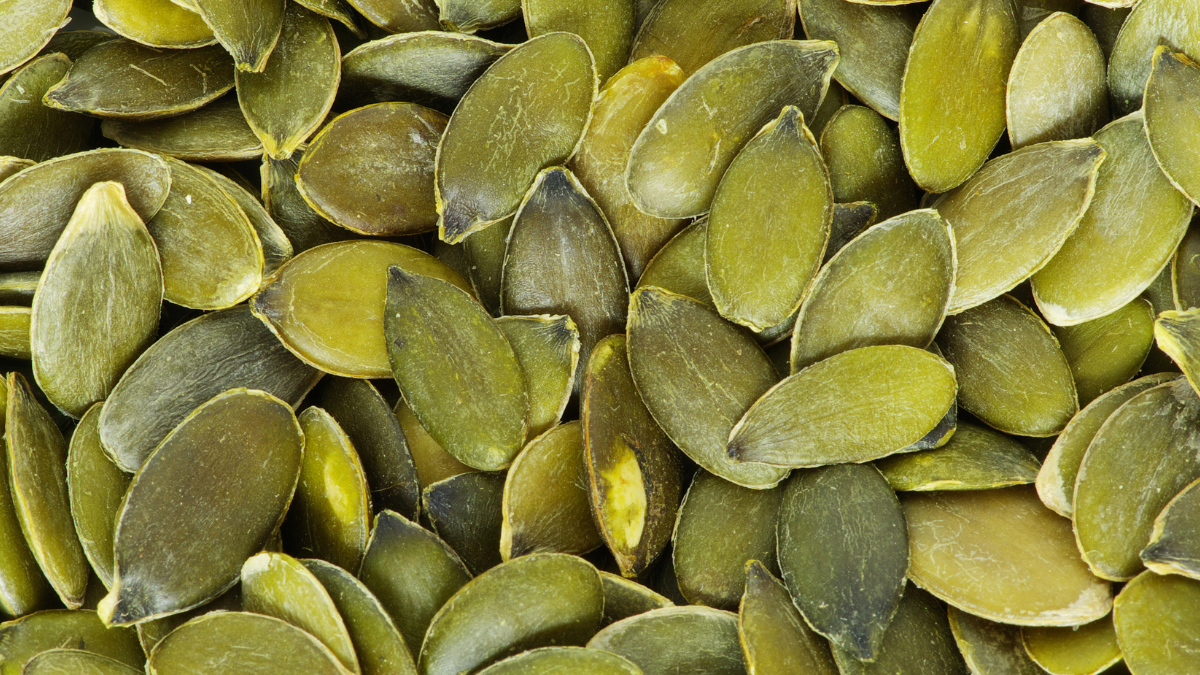
- Zinc: pumpkin seeds, shellfish, nuts
- Omega-3s: oily fish, flaxseeds, walnuts
Hydration must also be reframed. Summer alcohol consumption inhibits anti-diuretic hormone, which can increase fluid loss, leaving skin looking tired and fine lines more prominent. Drinking adequate mineralised water throughout the morning helps restore cellular hydration.
Pair adequate fluids with a consistent sleep pattern and regular movement, whether that's a brisk walk or some light resistance training. The boring things have an irritating habit of being useful.
 Collagen needs raw materials, not willpower
Your body makes collagen constantly. It's the structural protein that holds skin, joints, and connective tissue together, and it's in a permanent state of breakdown and rebuilding. What changes after a summer like the one just gone is the balance: more collagen breakdown, without necessarily increasing the body's capacity to rebuild it. You can eat all the collagen-rich bone broth in the world, but it won't make much of a difference if the right cofactors aren't present alongside it to finish the job.
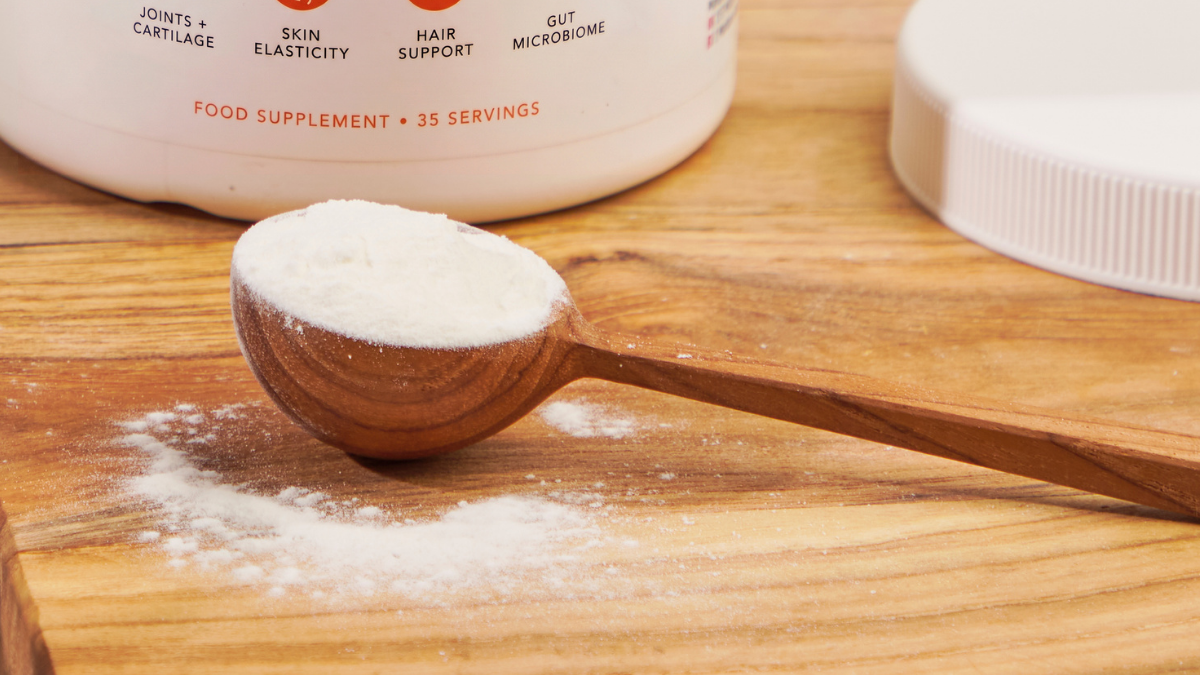
This is where a high-quality collagen formula transitions from a beauty trend into basic structural logic. Collagen synthesis doesn't happen in a vacuum. It needs support. Specific enzymes involved in collagen formation require vitamin C as a cofactor, and without enough vitamin C, collagen synthesis is impaired.4
The details matter
Not all collagen supplements are identical. Many standard collagen powders consist of large native proteins that the human digestive system struggles to break down into bioavailable fragments.
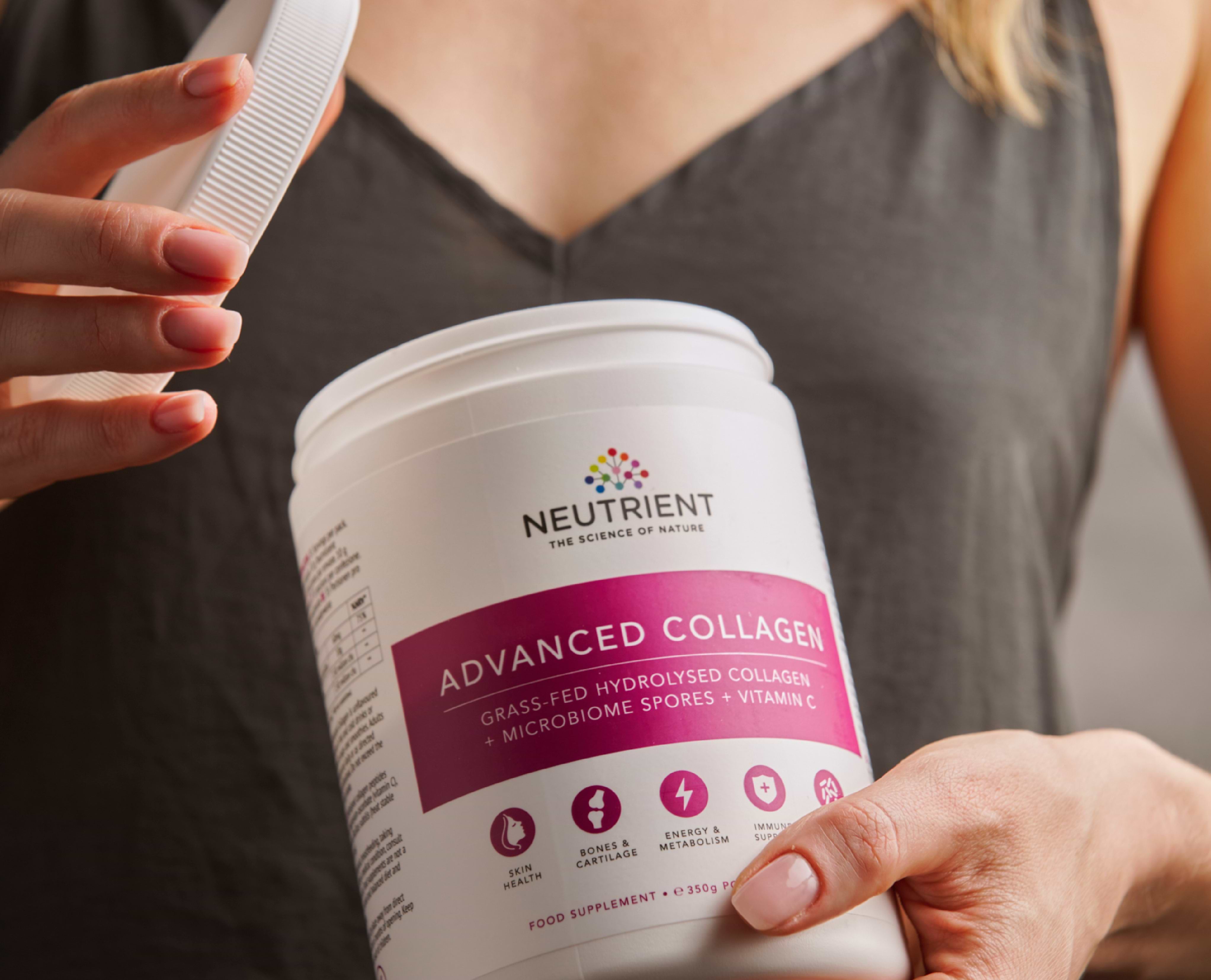
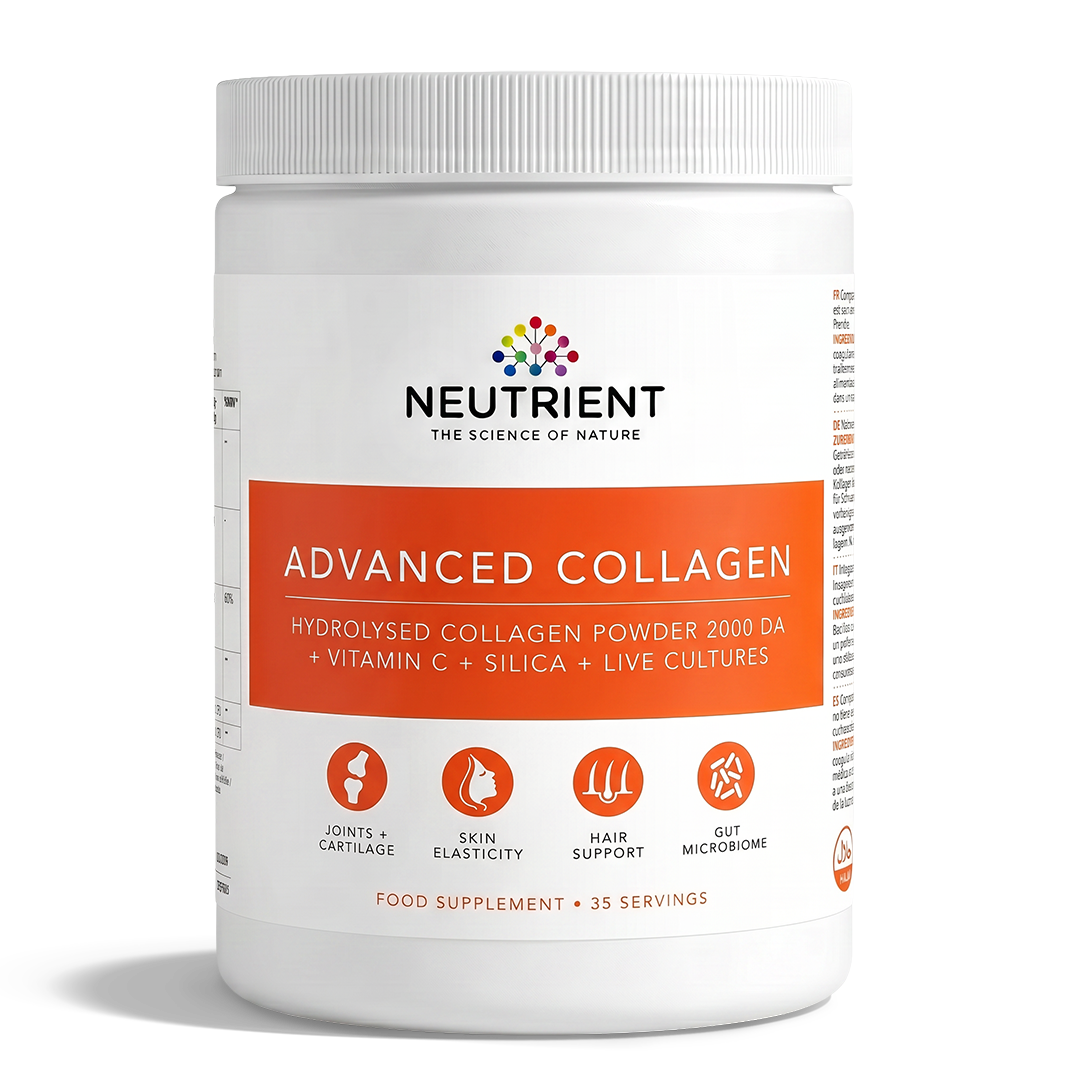
Neutrient Advanced Collagen gives you a head start. It's made up of hydrolysed bovine peptides broken down to a notably low molecular weight, around 2000 daltons.
Research on collagen hydrolysates has found that the more thoroughly peptides are broken down, the more it increases the absorption rate and bioavailability of glycine, proline and hydroxyproline compared with less thoroughly hydrolysed collagen.5
Then there's the vitamin C, included as buffered magnesium ascorbate rather than plain ascorbic acid, gentler on the stomach for a daily habit and present for an important reason: vitamin C is needed for collagen production.
Alongside that sits Mesoporosil®, a patented form of solid mesoporous silica, included because silicon is one of connective tissue's more overlooked minerals.
In a study of women with photodamaged skin, oral silicon supplementation was associated with improvements in skin texture and in the strength of hair and nails compared with placebo.6 Given what a summer of sun exposure does to skin's collagen, that's a fairly relevant inclusion rather than a decorative one.
The final piece is a pair of heat-stable, spore-forming bacterial strains, Bacillus coagulans and Bacillus subtilis. Bacillus coagulans has been studied for its effects on digestive comfort, with one randomised trial reporting improvements in abdominal pain and other gastrointestinal symptoms compared with placebo.7
After a summer of richer eating, that's not a throwaway addition.
When the gut wants a bit more
For some people, particularly if the last few months involved more restaurant meals and less fibre than usual, the spore strains built into Advanced Collagen are a helpful baseline rather than the whole answer.
Neutrient NeuBiotic provides a separate, multi-strain synbiotic approach for anyone whose digestion has felt genuinely off rather than just a little sluggish. It's not compulsory. It's simply there for the gut that's asking for a little more attention.
 As the light changes
There's a reason August turning into September feels different beyond the calendar. It brings a change that has nothing to do with holidays. UVB exposure, the wavelength the skin uses to make vitamin D, drops off meaningfully as the sun sits lower in the sky, which is why public health guidance recommends vitamin D supplementation during the autumn and winter months.8
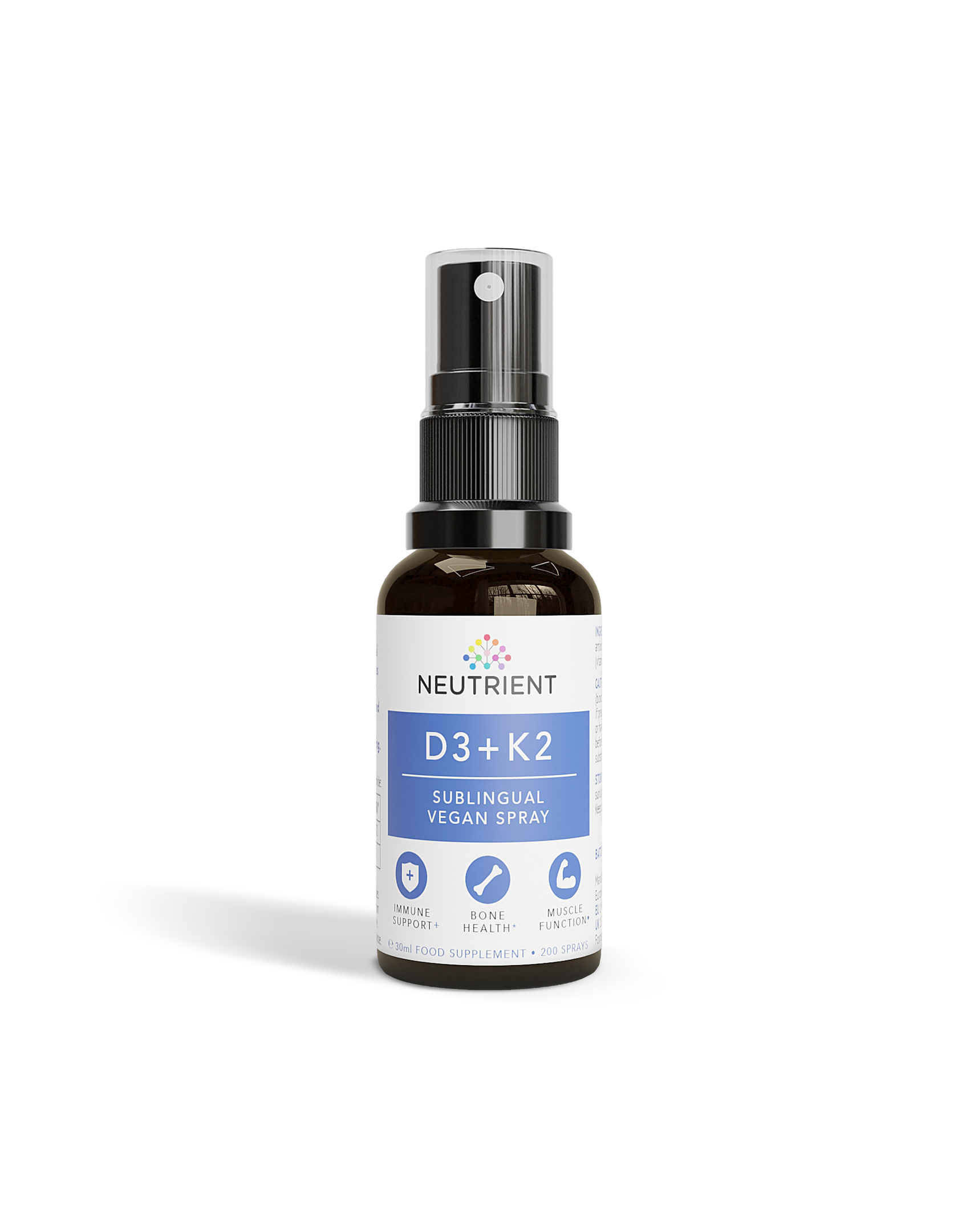
Vitamin D supports normal immune function, bone health, and muscle function, all things that don't take a holiday just because the sun does. Neutrient D+K combines vitamin D3 with vitamin K2 in a simple, convenient spray. It’s about as low-effort as a new habit gets, sitting easily alongside a coffee routine rather than competing with it.
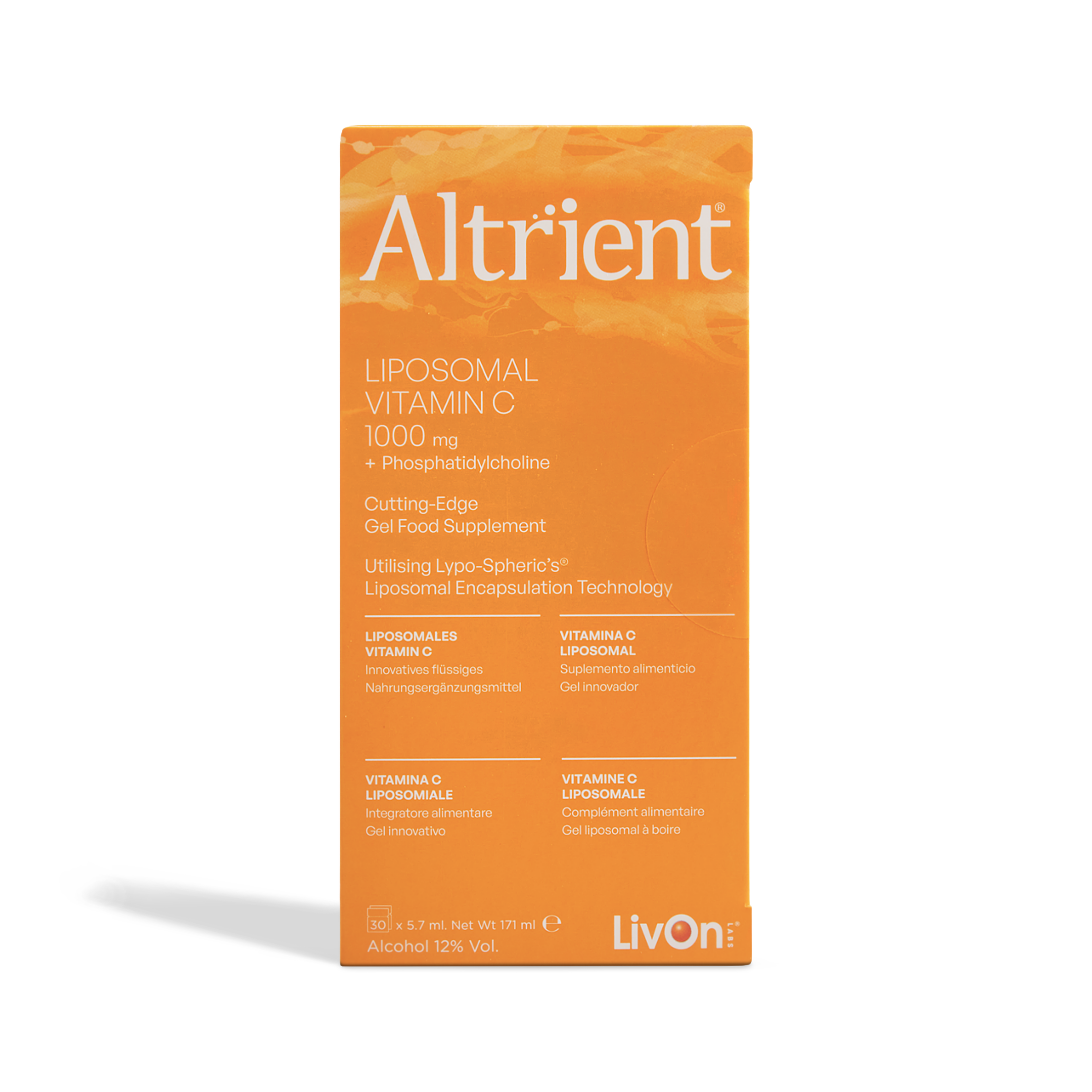
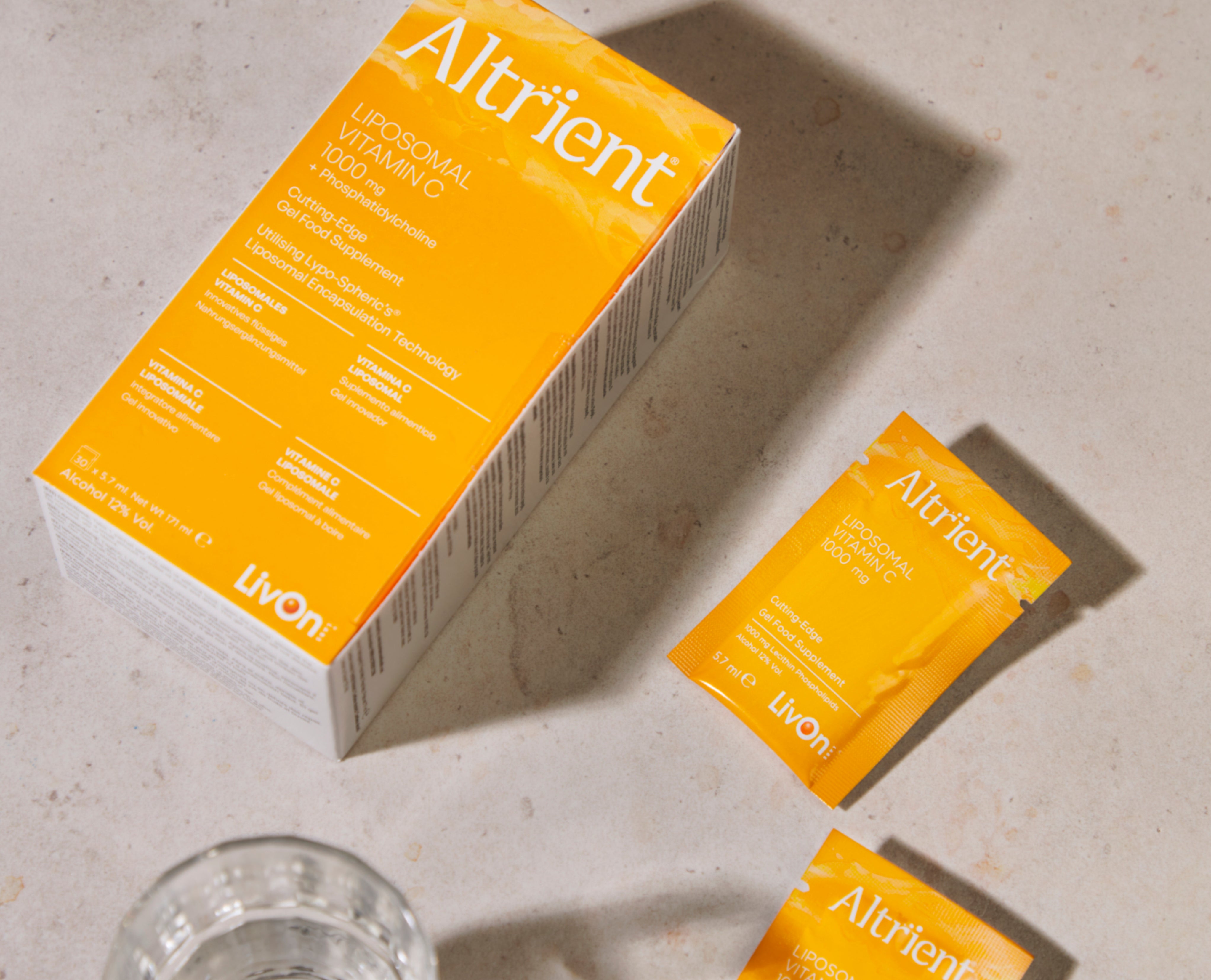
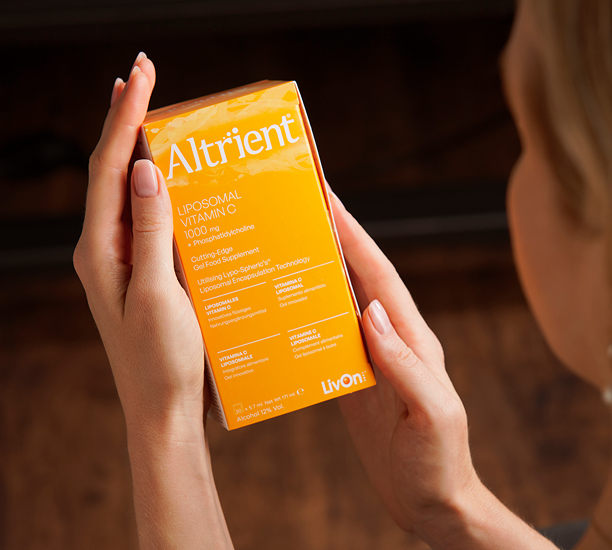
Vitamin C, another immune function ally, can also be useful as autumn approaches. Neutrient Total C combines five forms of vitamin C, including a fat-soluble form for cells that plain ascorbic acid doesn't reach as easily, alongside D-ribose and dihydroquercetin.
It's worth considering Total C separately from a morning collagen scoop if immune support feels like the priority as autumn term starts, colder mornings arrive, and the usual seasonal round of coughs and colds begins doing the rounds of offices and school gates.
Support, not a system
None of this amounts to a programme. It's closer to a short list: something to rebuild collagen properly rather than hopefully, something for a gut that's had a demanding few months, a bit more vitamin C if the immune system needs backup, and a little extra vitamin D as the light changes. None of it requires giving anything up, tracking numbers, or reorganising a kitchen cupboard.
Your body spent the summer doing what summers ask of it, and it kept remarkably good account of it all without complaint. September doesn't need to be a reckoning. It just needs you to notice what's actually been asked of your skin, your gut, and your sleep, and to hand over a few of the specific building blocks they've been running short on.
Stir it into your coffee. Get on with your day. That's really the whole plan.
Written by: Jacqueline Newson BSc (Hons) Nutritional Therapy
References
- Butts MR, Sundaram VL, Murughiyan U, Borthakur A, Singh S. The Influence of Alcohol Consumption on Intestinal Nutrient Absorption: A Comprehensive Review. Nutrients. 2023;15(7):1571.
- Gardiner C, Weakley J, Burke LM, Roach GD, Sargent C, Maniar N, Huynh M, Miller DJ, Townshend A, Halson SL. The effect of alcohol on subsequent sleep in healthy adults: a systematic review and meta-analysis. Sleep Medicine Reviews. 2025;80:102030.
- Brennan M, Bhatti H, Nerusu KC, Bhagavathula N, Kang S, Fisher GJ, Varani J, Voorhees JJ. Matrix metalloproteinase-1 is the major collagenolytic enzyme responsible for collagen damage in UV-irradiated human skin. Photochemistry and Photobiology. 2003;78(1):43-48.
- Pullar JM, Carr AC, Vissers MCM. The roles of vitamin C in skin health. Nutrients. 2017;9(8):866.
- Skov K, Oxfeldt M, Thøgersen R, Hansen M, Bertram HC. Enzymatic hydrolysis of a collagen hydrolysate enhances postprandial absorption rate: a randomized controlled trial. Nutrients. 2019;11(5):1064.
- Barel A, Calomme M, Timchenko A, De Paepe K, Demeester N, Rogiers V, Clarys P, Vanden Berghe D. Effect of oral intake of choline-stabilized orthosilicic acid on skin, nails and hair in women with photodamaged skin. Archives of Dermatological Research. 2005;297(4):147-153.
- Kalman DS, Schwartz HI, Alvarez P, Feldman S, Pezzullo JC, Krieger DR. A prospective, randomized, double-blind, placebo-controlled parallel-group dual site trial to evaluate the effects of a Bacillus coagulans-based product on functional intestinal gas symptoms. BMC Gastroenterology. 2009;9:85.
- Torjesen I. Public Health England recommends vitamin D supplements in autumn and winter. BMJ. 2016;354:i4061.
Read more

There's a particular kind of insult that tends to land somewhere in your forties or fifties. Your diet hasn't changed. Your exercise routine hasn't changed. And yet your waistband has developed opi...

There is a persistent piece of mythology attached to summer: that months of sunshine amount to a kind of factory reset. Warm evenings, long days, actual time off, and you're meant to arrive back at...