




Vitamin C and Magnesium: Why This Nutrient Pair Works So Well
When people think about nutrient pairings, calcium and vitamin D are usually the first that spring to mind. But there's another combination worth considering: vitamin C and magnesium.
Vitamin C is often associated with immune health, while magnesium is typically linked to muscle function and relaxation. Less obvious is how closely these two nutrients overlap in supporting energy production, connective tissue, and the body’s response to oxidative stress.
Rather than focusing on individual nutrients in isolation, it can be more useful to look at how they work alongside each other.
 Vitamin C: More Than Just Immune Support
Vitamin C is involved in hundreds of biochemical reactions throughout the body. It contributes to normal immune function, protects cells from oxidative stress, supports collagen formation for healthy skin, cartilage, bones and blood vessels, and helps reduce tiredness and fatigue.
It also helps regenerate other antioxidants, including vitamin E and glutathione, which means it supports the wider antioxidant system rather than acting alone.1
As humans cannot produce vitamin C, regular intake is essential. Requirements may increase during periods of physical exertion, illness, smoking, or ongoing psychological stress.2
 Magnesium: Central to Energy and Function
Magnesium is required for more than 300 enzymatic reactions. It contributes to normal energy metabolism, muscle function, nervous system function, electrolyte balance and psychological function.
It also plays a key role in ATP activity. In fact, ATP, the body’s main energy-carrying molecule, must be bound to magnesium to be biologically active.3
Yet magnesium insufficiency is thought to be relatively common in Western populations due to lower dietary intakes, food processing and lifestyle factors.4
 Why They Work Better Together
Although their roles differ, vitamin C and magnesium support many of the same biological systems.
Supporting Energy Production
Vitamin C is involved in carnitine synthesis, which helps transport fatty acids into the mitochondria for energy production.5 It also contributes to reducing tiredness and fatigue.
Magnesium is equally essential because every molecule of ATP, our cellular energy currency, requires magnesium to function.
Together, they support both the production and efficient use of cellular energy.
Exercise Recovery
Physical activity naturally increases oxidative stress while placing greater demands on muscle function and electrolyte balance.
Vitamin C helps protect cells from exercise-induced oxidative stress and supports collagen formation for connective tissues, while magnesium contributes to normal muscle function and electrolyte balance.
For those who train regularly, this combination supports recovery from several different angles rather than focusing on a single pathway.
Ageing and Cellular Function
Maintaining connective tissue, energy production and cellular resilience become increasingly relevant with age.
Vitamin C is essential for collagen synthesis, while magnesium supports normal cellular and metabolic function. Together they help support many of the processes that underpin healthy ageing.
 Why Form Matters
The form and combination of nutrients can influence how well they are tolerated and utilised.
|
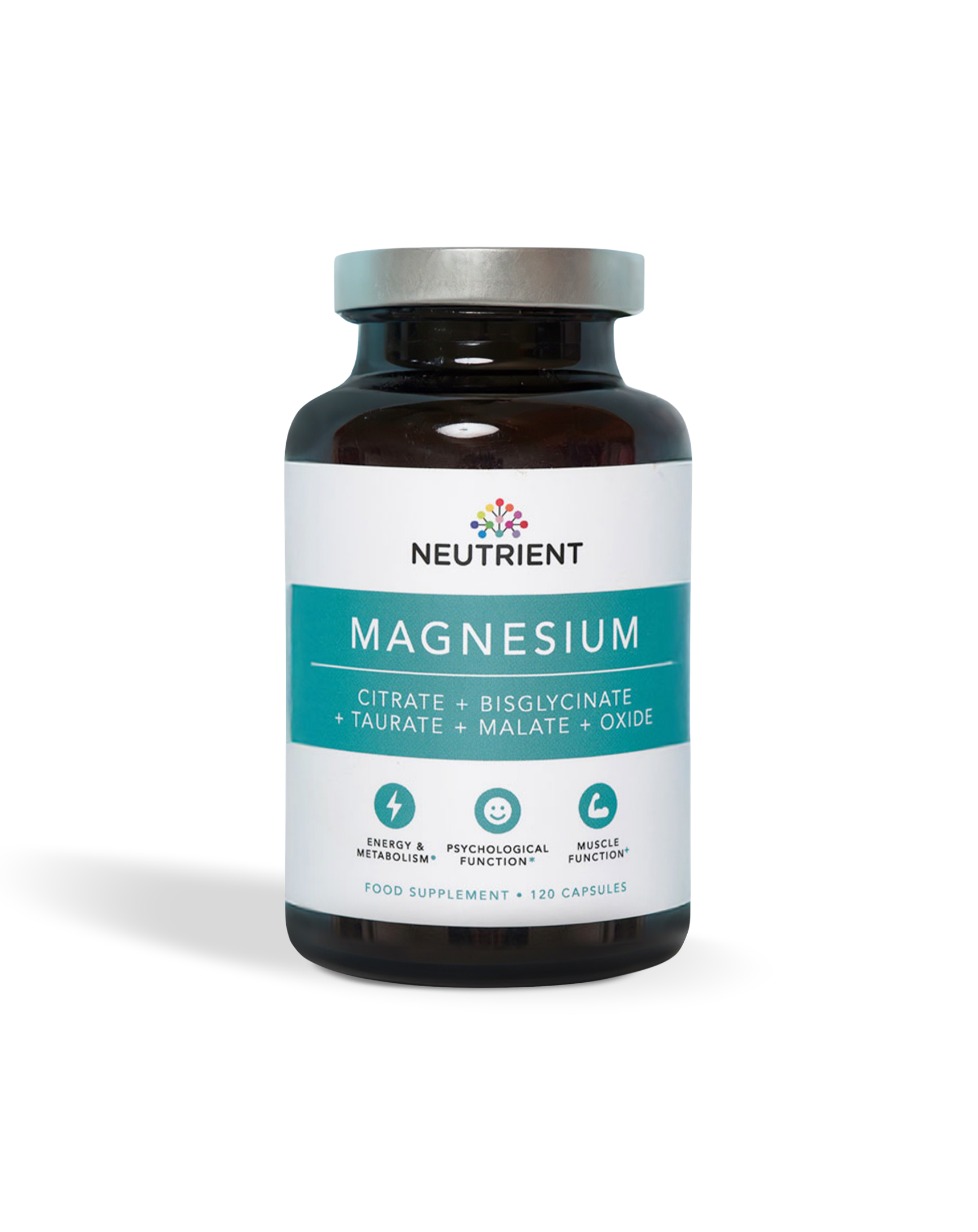
Neutrient Total C provides vitamin C in a range of forms, including mineral ascorbates and naturally occurring plant-based sources, resulting in a buffered formula designed to be gentler on the stomach. Neutrient Magnesium combines several forms, including bisglycinate, malate, taurate and citrate, each selected for their differing characteristics. Rather than relying on a single form, the blend is designed to provide broad nutritional support. |
Used together, they provide complementary support across multiple systems involved in energy, muscle function and cellular health.
 A Practical Daily Foundation
Health rarely depends on a single nutrient. Our bodies rely on networks of vitamins and minerals working together every day to support normal physiological function.
Vitamin C and magnesium are a good example of this nutritional teamwork. Whether your goal is supporting your immune system, maintaining energy, regular exercise or simply investing in healthy ageing, combining these nutrients provides complementary support for several core processes at once.
Written by: Jacqueline Newson BSc (Hons) Nutritional Therapy
References
- Carr AC, Maggini S. Vitamin C and Immune Function. Nutrients. 2017;9(11):1211.
- Lykkesfeldt J, Michels AJ, Frei B. Vitamin C. Advances in Nutrition. 2014;5(1):16-18.
- de Baaij JHF, Hoenderop JGJ, Bindels RJM. Magnesium in Man: Implications for Health and Disease. Physiological Reviews. 2015;95(1):1-46.
- DiNicolantonio JJ, O'Keefe JH, Wilson W. Subclinical Magnesium Deficiency: A Principal Driver of Cardiovascular Disease and a Public Health Crisis. Open Heart. 2018;5:e000668.
- Rebouche CJ. Ascorbic Acid and Carnitine Biosynthesis. American Journal of Clinical Nutrition. 1991;54(6 Suppl):1147S-1152S.
En lire plus

Most people spend longer choosing a breakfast cereal than they do choosing the multivitamin they take every single day. Yet two products that look almost identical on the front of the pack can be w...

Ask most people what the gut does and they'll tell you it digests dinner. That's true, but it's only a small part of the story. Tucked inside your digestive tract is a vast community of bacteria, f...