


The Whole Picture: Why Male Health Matters Before Conception
When people talk about fertility and conception, the focus often lands on women. That makes sense, but it only tells half the story. Conception starts long before implantation, and male health in the months leading up to it matters more than many people realise, from sperm quality and DNA integrity to the genetic contribution that helps shape how pregnancy unfolds.1,2
Male reproductive health is increasingly seen as a key part of the preconception journey, with attention turning to how lifestyle and nutrition, including nutrients such as zinc, folate, magnesium, and vitamin C, may fit into a sensible preconception plan for both partners.
 It Takes Longer Than You Think
Sperm take around 90 days to develop fully, through a process called spermatogenesis. That means the sperm involved in conception today began their journey roughly three months ago. What a man eats, drinks, and is exposed to during that window can influence the quality of the sperm eventually produced.5
This is not a small consideration. Studies consistently show that sperm quality, which encompasses motility, morphology, count, and DNA integrity, is influenced by nutrition and lifestyle. The encouraging part is that sperm are made continuously, so positive changes made now can meaningfully affect quality within three months.5
This presents a practical takeaway: if you're planning a pregnancy, it makes sense for men to start preparing around the same time as women. A focused three-month window gives sperm time to develop, so diet and lifestyle changes made now can support conception over the following months.
 What Male Genetics Contribute
When a pregnancy begins, the father's role doesn't end with fertilisation. His DNA makes up half of the baby's genetic material, and those genes can indirectly influence how the pregnancy unfolds, even how the mother feels in early pregnancy.1,2
One striking example involves morning sickness. Studies show that a hormone called GDF15, produced by the placenta, is a major trigger for nausea and vomiting. Both the mother and the father pass on genes that affect how much of this hormone is made and how sensitive the mother's body is to it.2,3
If a woman hasn't had much previous exposure to GDF15, a sudden surge of this hormone early in pregnancy can hit hard, making symptoms more intense. This helps explain why the severity of morning sickness can vary between pregnancies with different partners and sheds light on a question that has puzzled clinicians and couples for years.
Of course, a mother's own genetics and hormone sensitivity still play the biggest role. But this research adds an interesting twist: the father's genetic contribution can also shape how a pregnancy feels right from the start.
 Lifestyle That Supports Healthy Sperm
Before looking at specific nutrients, it helps to note the lifestyle factors that research consistently links to sperm quality. Most of these are modifiable, which makes them a useful part of a three-month preparation plan.5
• Smoking is associated with lower sperm count, reduced motility, and more DNA damage in sperm cells.5
• Alcohol consumed regularly can reduce testosterone levels and sperm count.5
• Heat exposure from hot baths, saunas, or tight clothing can temporarily impair sperm production.5
• Stress and poor sleep have been linked with changes in testosterone and reproductive health.5
• Diet quality matters significantly. A Mediterranean-style diet, rich in vegetables, legumes, whole grains, fish, and healthy fats, has been associated with improved sperm quality in multiple studies.4,5
 Key Nutrients for Male Preconception Health
Certain nutrients play recognised roles in male reproductive health. These are not miracle fixes, but they are sensible building blocks for preconception that can be sourced from a healthy, balanced diet.
Zinc
Zinc is one of the most important minerals for male reproductive health. It is found in high concentrations in seminal fluid, and research has consistently shown that men with lower zinc levels in their semen tend to have poorer sperm quality, such as reduced movement, lower sperm count, and more abnormally shaped sperm.6,7
Research shows that zinc contributes to normal fertility and reproduction, helps maintain normal testosterone levels in the blood, protects cells from oxidative stress, and supports normal DNA synthesis – all good foundations for healthy sperm.8
Good dietary sources of zinc include oysters and shellfish (among the richest sources), red meat, pumpkin seeds, legumes, and dairy. Men following plant-based diets may need extra focus here, as absorption from plant foods tends to be lower.6,7
Folate
Folate is widely recognised as essential for women in early pregnancy, where it contributes to maternal tissue growth and normal cell division. Although it is less commonly discussed, it matters for men too. It contributes to normal homocysteine metabolism and normal cell division, both of which are relevant to sperm production and DNA health.9
This is important because elevated homocysteine has been linked with DNA damage in sperm cells. Adequate folate status is therefore more than a technical detail; it is part of supporting reproductive health in the preconception window.9
Good dietary sources include dark green leafy vegetables, legumes, fortified foods, oranges, and wholegrains. Those with the MTHFR gene variant may find it harder to convert folic acid to its active form and may prefer to support their diet with a supplement containing 5-methyltetrahydrofolic acid, the biologically active form of folate.9
Magnesium
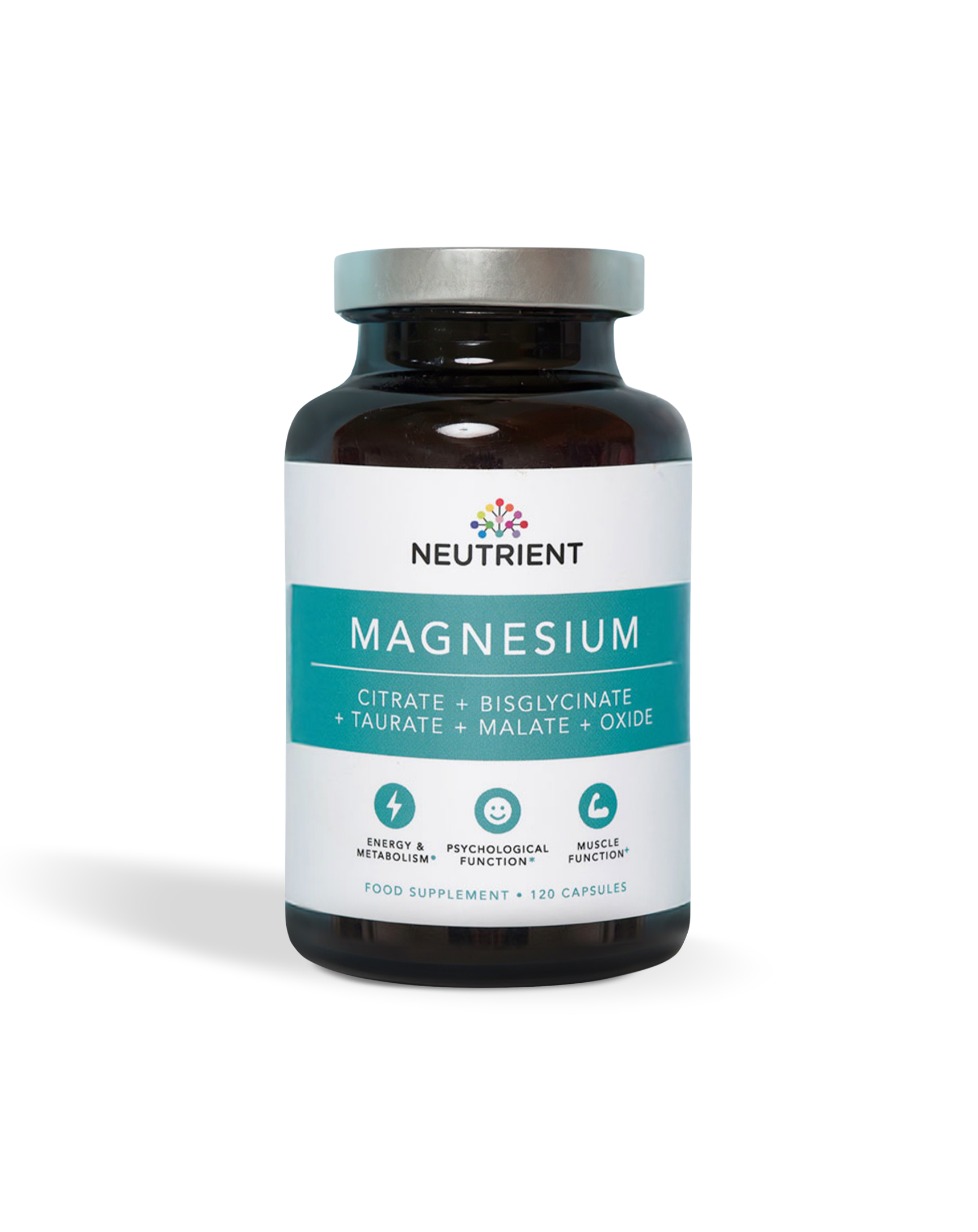
Magnesium supports normal protein synthesis and energy metabolism, while also helping to reduce tiredness and fatigue, making it a valuable addition to a balanced preconception plan. It also contributes to psychological function and nervous system health, and is often under-consumed, particularly by those with higher levels of physical activity.10
Useful dietary sources include nuts and seeds, especially pumpkin seeds and almonds, dark leafy greens, wholegrains, legumes, and dark chocolate. A varied, whole-food diet is the most reliable way to support adequate intake.10
Vitamin C
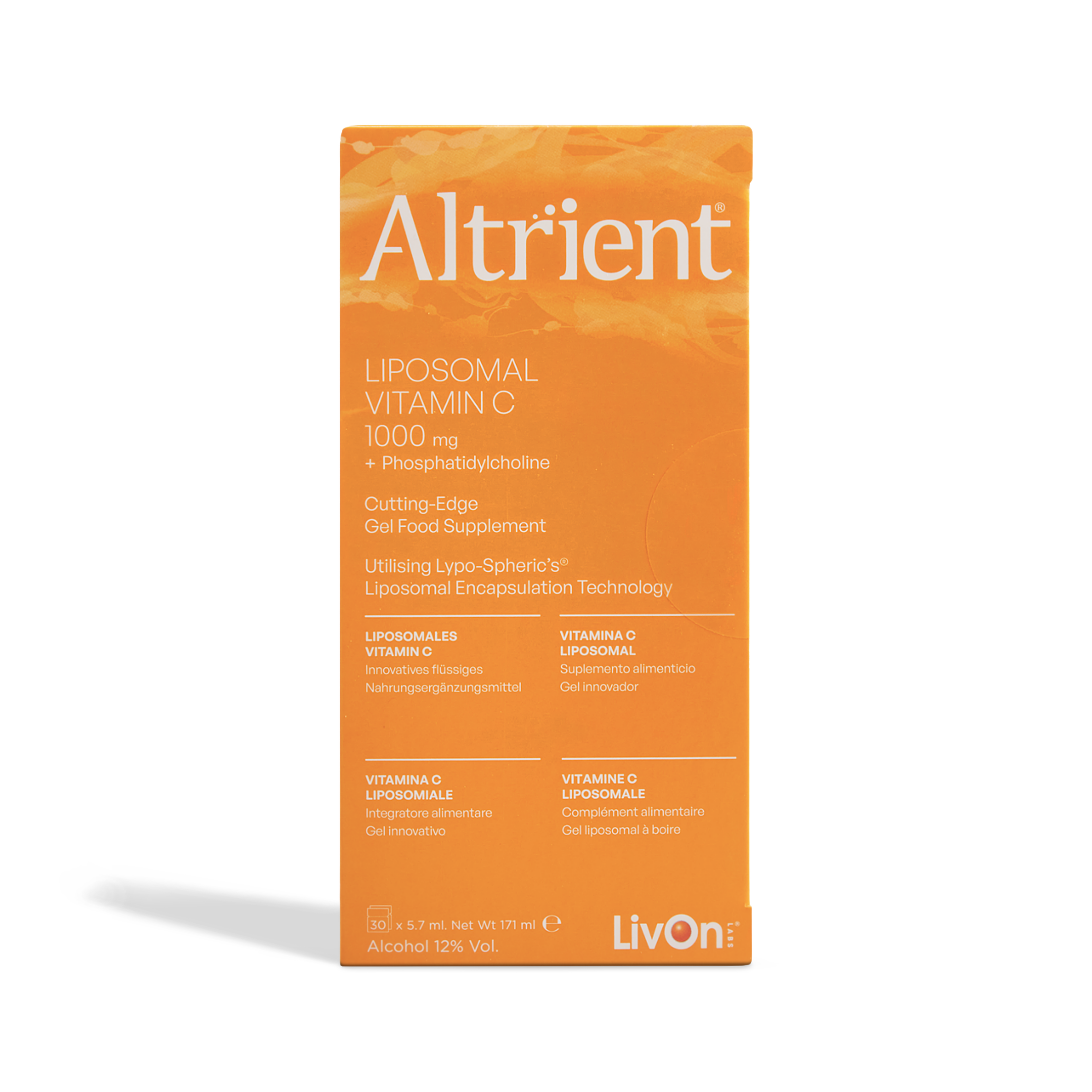
Vitamin C contributes to the protection of cells from oxidative stress. Interestingly, seminal plasma naturally contains high concentrations of vitamin C as part of the body's antioxidant defences.11 For men in the preconception phase, getting enough vitamin C through a diet rich in fruits and vegetables is a simple, practical step.11
Good sources include bell peppers, citrus fruits, kiwi, strawberries, broccoli, and blackcurrants. Smokers may need more vitamin C because of increased oxidative stress.11
 A Simple Three-Month Plan
The following is a straightforward framework that men can follow in the three months before conception:
• Focus on diet quality. A varied diet with plenty of vegetables, legumes, whole grains, lean protein, and oily fish covers most nutritional bases.4,5
• Include zinc-rich foods regularly. Shellfish, red meat, pumpkin seeds, and legumes are good options.6,7,8
• Eat more folate-containing foods. Dark leafy greens, lentils, and beans are reliable year-round choices.9
• Support antioxidant intake. A wide variety of fruit and vegetables, especially those rich in vitamin C, helps protect cells from oxidative stress.11
• Limit alcohol and stop smoking. Both are associated with reduced sperm quality.5
• Manage stress and prioritise sleep. Both can influence testosterone and overall hormonal health.5
• Exercise regularly, but avoid excessive training regimes. Moderate activity supports health, while very high-intensity training combined with under-fuelling can have the opposite effect.5
 Both Partners Matter
Fertility is rarely a one-person story. The three months before conception are a useful opportunity for both partners to build the strongest possible foundation through diet, lifestyle, and, where appropriate, targeted nutritional support.4,5
For men, the message is simple: the choices made now can influence the quality of the sperm produced in three months. That is a solid, actionable window, and it is well worth taking seriously.5
Written by: Jacqueline Newson BSc(Hons) Nutritional Therapy
References
1. WHO. 1 in 6 people globally affected by infertility. https://www.who.int/news/item/04-04-2023-1-in-6-people-globally-affected-by-infertility [Accessed April 2025].
2. Fejzo MS et al. GDF15 linked to maternal risk of nausea and vomiting during pregnancy. Nature. 2024;625:760–767.
3. Fejzo MS et al. Genetics and the etiology of hyperemesis gravidarum. Am J Obstet Gynecol. 2012;205(2):131.e1–131.e8.
4. Tomoda I, Tomoda N. Mediterranean Diet and Male Fertility. Endocrines. 2023;4(2):394–406.
5. Sharma R et al. Lifestyle factors and reproductive health: taking control of your fertility. Reprod Biol Endocrinol. 2013;11:66.
6. Fallah A et al. Zinc is an Essential Element for Male Fertility: A Review of Zn Roles in Men's Health, Germination, Sperm Quality, and Fertilization. J Reprod Infertil. 2018;19(2):69–81.
7. Zhao J et al. Zinc levels in seminal plasma and their correlation with male infertility: A systematic review and meta-analysis. Sci Rep. 2016;6:22386.
8. EFSA NDA Panel. Scientific Opinion on health claims related to zinc: fertility and reproduction (ID 297, 300); maintenance of normal serum testosterone (ID 301); DNA synthesis (ID 292); protection from oxidative stress (ID 294). EFSA Journal. 2009;7(9):1229.
9. EFSA NDA Panel. Scientific Opinion on health claims related to folate: maternal tissue growth during pregnancy (ID 2882); cell division (ID 193); homocysteine metabolism (ID 80). EFSA Journal. 2009;7(9):1213.
10. EFSA NDA Panel. Scientific Opinion on health claims related to magnesium: energy-yielding metabolism; protein synthesis; reduction of tiredness and fatigue; psychological function. EFSA Journal. 2009;7(9):1216.
11. EFSA NDA Panel. Scientific Opinion on health claims related to vitamin C: protection of cells from oxidative stress; collagen formation; immune function. EFSA Journal. 2009;7(9):1226.
Read more
Creatine is one of the most researched supplements in sports nutrition, and also one of the most misunderstood. For decades, a persistent myth has followed it: that creatine damages your kidneys. I...

If you’ve hit your 40s and started wondering why your sleep, mood, waistline or patience feel like they belong to someone else, there’s a good chance it’s not ‘just stress’. You’re likely entering ...