



How to Choose a Multivitamin: What a Nutritionist Looks for on the Label
Most people spend longer choosing a breakfast cereal than they do choosing the multivitamin they take every single day. Yet two products that look almost identical on the front of the pack can be worlds apart once you turn them over and read the ingredients list.
If you've ever wondered how to choose a multivitamin, or what actually makes one better than another, the real answers aren't on the front of the label. They're hidden in the details. As a nutritional therapist, I've spent years evaluating supplement formulations, and it's remarkable how often two products with almost identical front labels are completely different once you turn them over.
Some are carefully formulated with bioactive nutrients and well-considered ingredient pairings. In contrast, others rely on cheaper forms that may look impressive on paper but tell a very different story once you read the ingredients list. A good multivitamin isn't simply a collection of vitamins and minerals. It's the result of hundreds of formulation decisions: which nutrients to include, how much of each to provide, which forms to use, and how those ingredients work together.
Once you know what to look for, the label becomes far more than a list of ingredients. It tells you about the product's quality, thoughtfulness and, ultimately, how well it is likely to support your health.
 How to Read a Multivitamin Label Properly
Front-of-pack claims are easy to make. "High strength," "complete," "advanced" and similar phrases don't tell you much on their own. The label on the back is where the real information can be found, and it's worth reading with a few specific questions in mind:
- What's actually inside?
- How many nutrients does it cover?
- What doses are used?
- What forms are those nutrients in?
This is where you begin to understand exactly what you are taking.
What Does 100% NRV Mean on a Supplement Label?
This is a point that’s not always covered in consumer guides. Many people assume that if a nutrient is listed at 100% of its Nutrient Reference Value (NRV), that's the optimal amount to take. It isn't quite that simple.
NRVs were set by governmental and scientific bodies as a guide to help prevent deficiency across the population, not as a target for ideal daily intake for every individual.1,2 That's why some nutrients in a well-designed formula are provided above the standard reference value, particularly those that the body doesn't store well, that are used up quickly, or that have been studied at higher intakes in the research.
Other nutrients sit closer to 100% because that level is genuinely sufficient for the average healthy person. Neither approach is automatically better; it depends on the nutrient.
So when comparing multivitamins, a higher percentage is not automatically better. What matters is whether the levels make sense within the overall formula and intended use.
 Why Vitamin and Mineral Forms Matter More Than the Dose
One of the most important but overlooked factors when choosing a multivitamin is the form of each nutrient. The name given to a nutrient on the ingredients list tells you which chemical form it's in, and the form affects how the body utilises it. A few common examples:
|
Common label wording |
Form worth looking for |
|---|---|
|
Vitamin B12 |
Methylcobalamin |
|
Folic acid |
Calcium L-methylfolate |
|
Iron |
Iron bisglycinate |
|
Zinc oxide |
Zinc bisglycinate |
|
Vitamin B2 |
Riboflavin-5-phosphate |
These aren't marketing terms. They are the actual names manufacturers are required to list, and manufacturers choose particular forms for reasons that go beyond cost, including how well a nutrient is absorbed or how it's processed once it's in the body. For example, studies suggest that zinc bisglycinate may be better absorbed than zinc oxide,3,4 so a supplement using the bisglycinate form may be a more effective choice at the same dose.
Which Mineral Forms Should You Look For?
Minerals are where the biggest quality gap tends to appear, and they're the part of the label most people never look at closely.
|
Often used in budget formulas |
Found in more premium formulas |
|---|---|
|
Oxide forms |
Glycinate forms |
|
Carbonate forms |
Citrate forms |
|
Sulphate forms |
Methionine-bound forms |
Choosing a multivitamin can be confusing, but one simple thing to check is the type of minerals it contains. The form of the mineral can tell you a lot about the overall quality of the product.
Some forms, such as oxides and carbonates, are cheaper to produce and still meet safety standards. However, if two products are priced similarly and one uses forms like glycinate or citrate while the other uses oxides, that usually reflects a real difference in how the product is made, not just how it’s marketed.
 Why Nutrient Pairings Matter
When choosing a multivitamin, it’s not just about which nutrients are included; it’s also about whether they work well together. Some nutrients naturally support each other, and good formulations take this into account:
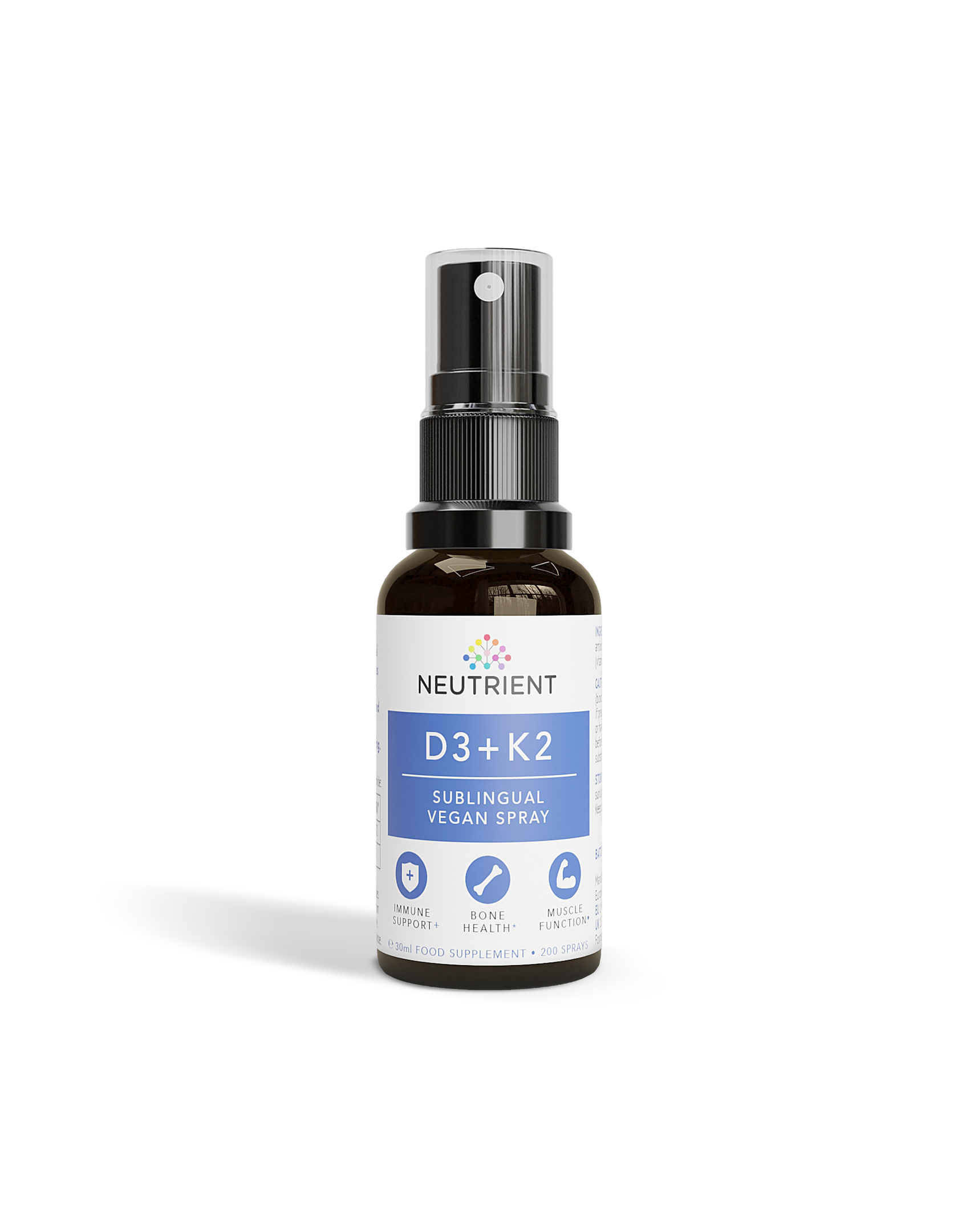
- Vitamin D + Vitamin K: Vitamin D helps your body absorb calcium, while vitamin K helps direct that calcium to your bones. Together, they support healthy bones more effectively than either alone.5
- Iodine + Selenium: Iodine is essential for thyroid hormone production, and selenium helps activate those hormones and protect the thyroid from oxidative stress. Including both helps support normal thyroid function.6
- Vitamin C + Iron: Vitamin C improves the absorption of iron, especially from plant-based sources. For example, pairing them can make it easier for your body to actually use the iron in the supplement.
- Copper + Zinc: Zinc and copper compete for absorption, so taking high amounts of zinc alone can lower copper levels over time. A well-balanced formula includes both in appropriate amounts to avoid this imbalance.
This reflects how nutrients interact in the body and is often a sign of a more deliberate formulation process, rather than being assembled from whichever ingredients were cheapest or most familiar.
 What Shouldn't Be in a Multivitamin?
It's easy to assume a longer ingredients list is automatically better. Sometimes leaving something out is the more deliberate choice.
Calcium, for example, occupies a large amount of capsule space relative to how much a multivitamin can realistically deliver, and it's often better supplemented on its own if it's actually needed.
Vitamin C is another example: many people are already taking it separately in high doses, so including a token amount in a capsule is unlikely to make a meaningful difference.
More ingredients don't automatically mean a better formulation. Sometimes it just means a longer label. Understanding what is left out can be just as useful as looking at what is included.
 Does the Formula Reflect Current Nutrition Research?
Alongside the core vitamins and minerals, some newer multivitamins include ingredients that go beyond the traditional list. Two examples worth knowing about:
PQQ is a naturally occurring compound involved in cellular energy processes, and is attracting research interest in relation to mitochondrial function. The evidence is still developing, so its inclusion reflects an area of active scientific attention rather than an established, settled claim.7
Myo-inositol is naturally present in the body and is increasingly included in more comprehensive formulations. It plays a role in cell signalling, which is why it has drawn growing scientific interest, though again this is an emerging area rather than a settled one.8
Neither ingredient is included to make bold promises. They're included because they represent where formulation science is currently focusing its attention.
Multivitamin Additives to Avoid: Fillers, Colours and Allergens
Quality isn't only about what's included; it's also about what's deliberately left out. Some people prefer formulas that minimise:
- Unnecessary fillers and bulking agents
- Artificial colours
- Animal-derived gelatine (in capsules)
- Common allergens (e.g. gluten, soy, dairy), if you’re sensitive or avoiding them
A shorter list of non-essential additives often indicates a formula designed around function rather than shelf appeal or manufacturing convenience.
How to Compare Two Multivitamins
Instead of asking “What is the best multivitamin?” or “Which is the cheapest?”, a more useful question is:
“Does this formula look as though it was carefully designed, or as though every available space was simply filled with ingredients?” That shift in thinking tends to lead to better choices.
 Formulated With These Principles in Mind
Neutrient Multi+ was developed using these same principles. The focus is on bioactive forms of vitamins, mineral sources selected with absorption in mind, and nutrient pairings that work together within a balanced daily formula. Alongside the essential vitamins and minerals, it includes specialist cofactors such as PQQ and myo-inositol, reflecting ongoing developments in nutritional science.
Written by: Jacqueline Newson BSc (Hons) Nutritional Therapy
References
- EFSA. Dietary Reference Values. https://www.efsa.europa.eu/en/topics/topic/dietary-reference-values
- Codex Alimentarius Commission. Guidelines on Nutrition Labelling. https://www.fao.org/fao-who-codexalimentarius/en/
- Devarshi PP, Mao Q, Grant RW, Hazels Mitmesser S. Comparative Absorption and Bioavailability of Various Chemical Forms of Zinc in Humans: A Narrative Review. Nutrients. 2024;16(24):4269.
- Gandia P, Bour D, Maurette JM, Donazzolo Y, Duchène P, Béjot M, Houin G. A bioavailability study comparing two oral formulations containing zinc (Zn bis-glycinate vs. Zn gluconate) after a single administration to twelve healthy female volunteers. International Journal for Vitamin and Nutrition Research. 2007;77(4):243-248.
- Kuang X, Liu C, Guo X, Li K, Deng Q, Li D. The combination effect of vitamin K and vitamin D on human bone quality: a meta-analysis of randomized controlled trials. Food & Function. 2020;11(4):3280-3297.
- Hotz CS, Fitzpatrick DW, Trick KD, L'Abbé MR. Dietary iodine and selenium interact to affect thyroid hormone metabolism of rats. Journal of Nutrition. 1997;127(6):1214-1218.
- Saihara K, et al. Pyrroloquinoline Quinone, a Redox-Active o-Quinone, Stimulates Mitochondrial Biogenesis by Activating the SIRT1/PGC-1α Signaling Pathway. Biochemistry. 2017;56(50):6615-6625.
- Gillaspy GE. The cellular language of myo-inositol signaling. New Phytologist. 2011;192(4):823-839.
Weiterlesen

My 4 Daily Essentials One of the questions I'm often asked when I’m out with friends or meeting with clients is a simple one: "What supplements do you actually take yourself?" The answer is usuall...

When people think about nutrient pairings, calcium and vitamin D are usually the first that spring to mind. But there's another combination worth considering: vitamin C and magnesium. Vitamin C is ...